Health Screening Costs and Packages in Japan
Screening prices aren’t one-size-fits-all — they shift depending on whether you’re a resident or an international visitor, and which clinic you’re looking at. We’ll help you see what’s actually included, what costs extra, and what questions are worth asking before you lock anything in.

Scope of this guide and our appointment support
This guide provides background information; references to other providers, products or treatment programs are not services that this team arranges. Our appointment support is limited to GINZA NOA CLINIC. Research, price examples and approvals elsewhere do not establish service availability at this clinic. Read what our team does.
Here’s what real providers charge
Start with the numbers that change your budget
These are current provider examples — they’re not a Japan-wide market average or our quotation. Tokyo Midtown states that its listed fees apply to people living in Japan and that foreign visitor fees are different.
Resident vs. international pricing
Resident and international prices are not the same
Published Tokyo resident examples
Published international examples
Sources: Tokyo Midtown Clinic health check-up price list and Kameda Medical Center international Ningen Dock course list, accessed August 2026. Package contents and prices can change.

Scope depends on what you’re trying to learn
Choose the scope by the question you need answered
Measurements, blood pressure, blood and urine tests, ECG and chest imaging can cover a broad general baseline.
Often adds abdominal ultrasound and gastrointestinal screening with a broader laboratory panel.
Brain, lung, cardiovascular, digestive or women’s screening should have a clear reason based on history or prior results.
Symptoms, a known disease or an abnormal previous result may need targeted diagnostic care rather than a larger screening bundle.
Not sure whether two packages are actually comparable?
You can ask about the published price examples and what their source documents say. The named screening provider must confirm current inclusions, optional tests and your final quotation.
What Japan’s screening guidelines say
National intervals are a useful starting point
These are population-screening starting points from Japan’s Ministry of Health guidance — not a personal prescription. Previous abnormalities, treatment history and a clinician’s assessment can change what you actually need.
First, be clear about why you’re going
A bigger package is not always the right next step
Routine screening works best when you’re not having symptoms. If you’re dealing with a known disease, a new symptom, or a previous abnormal result, the whole purpose of the visit changes — and so should your approach.
No symptoms
Use age, family history and previous screening to decide what needs checking now.
Abnormal report
Send the report first. The next step may be targeted imaging, endoscopy, repeat testing or specialist review.
New symptoms
Do not rely on a routine screening package to investigate persistent or concerning symptoms.
Known disease
Disease-specific follow-up cannot be replaced by general screening or used to estimate treatment response or survival.
Tests you might add on
Advanced imaging should have a clear purpose
Source: Tokyo Midtown Clinic optional examination list, accessed August 2026. Some tests may already be included in the selected package.
PET-CT vs. MRI for Cancer ScreeningUnderstand what each scan can and cannot answer before adding it.
Already have a report or a shortlist of packages?
Use the checklist below when asking a screening provider about prices and preparation. Our team does not book the other-provider packages shown here.
Before you travel
Questions for your screening provider
This section is a preparation checklist for your discussion with a screening provider. Our appointment support is limited to GINZA NOA CLINIC; we do not arrange the other hospitals’ packages discussed in this guide.
Organize your information
Age, sex, family history, current medicines, previous reports, main concern and travel dates.
Compare package scope
Separate included tests, optional tests and items that may need medical review before they are added.
Confirm the practical quote
Check visitor pricing, preparation rules, report language, major exclusions and available dates.
Coordinate the visit
Support scheduling and medical language communication so instructions are easier to follow.
Organize the next step
If detailed examination is recommended, help coordinate the follow-up while clinical decisions remain with the medical provider.
Understanding your results
“Further examination required” is not a diagnosis
Japan’s Ministry of Health publishes data on how many people referred for detailed examination in FY2024 ended up with a cancer diagnosis. The numbers below show that most referrals don’t lead to cancer — but follow-up still matters.
Source: Japan Ministry of Health, Labour and Welfare, FY2024 Regional Health and Health Promotion Services Report. These figures describe reported screening programs — they don’t estimate your personal cancer probability.
Plan your travel dates carefully
Do not plan flights around the screening day alone
Kameda Kyobashi asks international Ningen Dock patients to book at least 3 weeks ahead of the planned exam date.
Availability depends on which tests have been completed and reviewed by the provider.
Kameda Kyobashi states that its Ningen Dock results are sent approximately 1 month after the examination.
If an urgent need for detailed examination is identified, an additional appointment may be needed before you leave Japan.
Keep reading
Continue with the topic that matches your next decision
Our sources
Public information used for prices and guidance
Get these answers before you commit
Questions worth answering before booking
How much should I budget for a health screening in Japan?
Published self-pay prices vary by provider and patient category. Tokyo Midtown lists ¥72,600 for a standard Ningen Dock for people living in Japan. Kameda Medical Center separately lists international Ningen Dock examples from ¥180,000 for a 1-day course to ¥550,000 for a 3-day expanded course. Treat these as provider examples, not a Japan-wide average.
What is normally included in a Ningen Dock?
A comprehensive Ningen Dock commonly combines physical measurements, blood and urine tests, blood pressure, ECG, chest imaging, abdominal ultrasound and gastrointestinal screening. Exact contents vary by provider and course. Some international courses also include upper endoscopy, colonoscopy, PET-CT, women’s screening or lung CT.
Is a more expensive package automatically better?
No. A higher price usually means more tests, but more testing can also lead to incidental findings, false positives, extra radiation or follow-up. The useful package is the one that fits your age, medical history, previous results and reason for screening.
Should I add PET-CT, MRI, CT and tumor markers?
Not automatically. Advanced imaging and tumor markers can be useful in the right setting, but they are not routine population screening tests for everyone. Each add-on should have a clear purpose and should be checked against tests already included in your package.
Can I use a screening package if I already have symptoms or an abnormal result?
Routine screening is mainly for people without symptoms. New concerning symptoms, a known disease or a previous abnormal result may need targeted diagnostic evaluation or specialist follow-up instead of a broader screening package.
How early should I plan and when will I receive results?
Timing varies by provider. Kameda Kyobashi asks international Ningen Dock patients to book at least 3 weeks before the planned date and states that complete results are sent approximately 1 month after the examination. Some providers can explain part of the available results on the same day.
What extra costs should I ask about before booking?
Confirm whether advanced imaging, gastroscopy, sedation, pathology, contrast, medical interpretation support, image copies and follow-up diagnostic appointments are included. The headline package fee may not cover every next step.
What support can you provide for an international patient?
Confirm the package scope, price, scheduling, language support and follow-up directly with the provider performing the screening. That provider is responsible for the examinations, clinical decisions and result interpretation. Our team can clarify the public sources cited on this page.
Ask about the sources used in this guide
Ask the provider performing the screening which records it needs and how to submit them. Our team can answer questions about the sources in this guide, but does not arrange those screening packages.
You don’t need to start with the most expensive package. Start with what’s already been checked and what you’re hoping the visit will clarify.
The medical information and public price examples on this page are here for general education and care coordination. They don’t diagnose disease, replace an exam by a licensed clinician, or guarantee that a particular test is right for you. Prices, eligibility, package contents, and availability can all change — and the medical provider performing the examination is responsible for clinical decisions and result interpretation, not us.
Clinic information and appointment enquiries
GINZA NOA CLINIC, Ginza, Tokyo
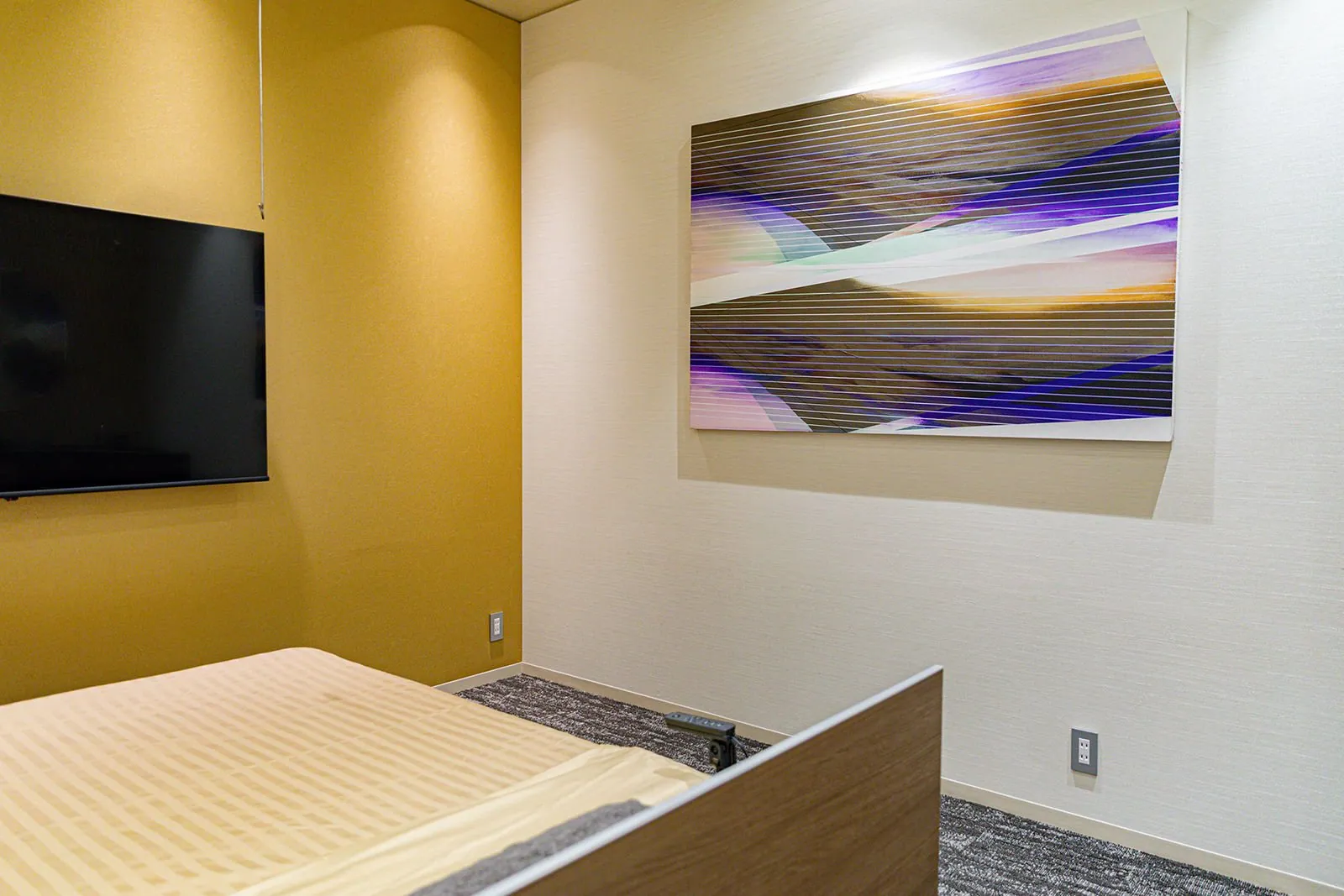
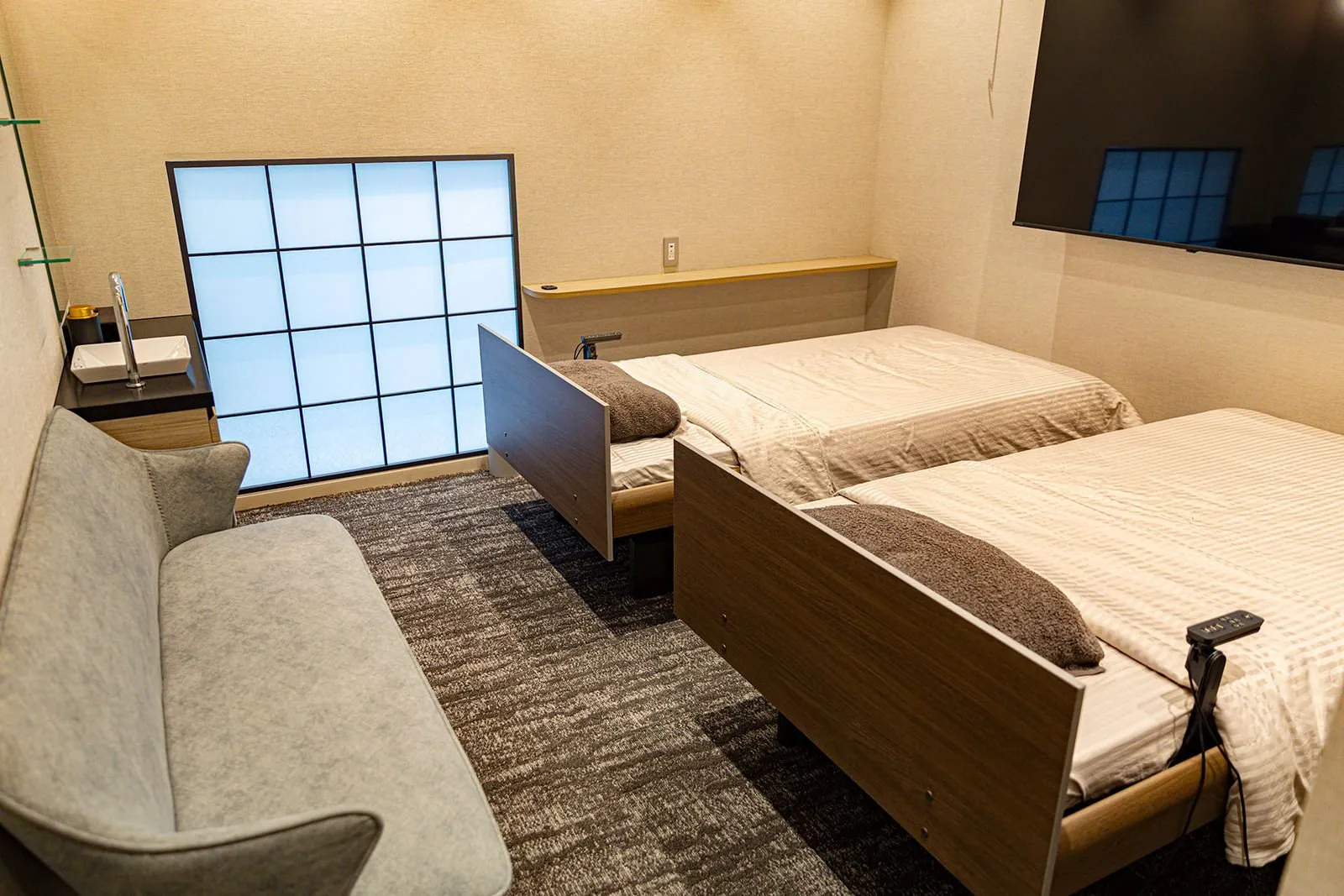
The images below show GINZA NOA CLINIC in Ginza, Tokyo. This website provides information and appointment support for this clinic. Discussion of a treatment in this article does not mean the clinic offers it or that it is suitable for you.

Royal Crystal Ginza 3F, 5-4-6 Ginza, Chuo-ku, Tokyo 104-0061
3 min from Tokyo Metro Ginza Station (Exit B6); 5 min from JR Yurakucho Station
In-house CPC, facility number FC3250034
WhatsApp +81-8070161366 · LINE +81-8075357788
Clinic profiles: Ryosuke Tanabe, MD and Kotaro Yoshimura, MD, PhD. These profiles do not establish authorship or medical review of this article. Clinical decisions remain with the treating physician. Editorial policy · Clinic information and website roles.