
Immunotherapy works for relatively few pancreatic cancer patients because most tumors do not contain enough active, cancer-fighting T cells for checkpoint drugs to help. Dense tissue restricts their entry, while signals inside the tumor suppress their activity. PD-1 and PD-L1 drugs remove one immune “brake,” but leave these other barriers largely intact.[1]
A small group has tumors with DNA-repair defects, known as MSI-H or dMMR, that can make them more responsive to checkpoint treatment. These features occur in about 1%–2% of pancreatic ductal adenocarcinomas. They identify patients worth assessing for treatment—not patients guaranteed to respond.[2]
This article focuses on pancreatic ductal adenocarcinoma, the most common type, and distinguishes checkpoint drugs from experimental vaccines and cell therapies.
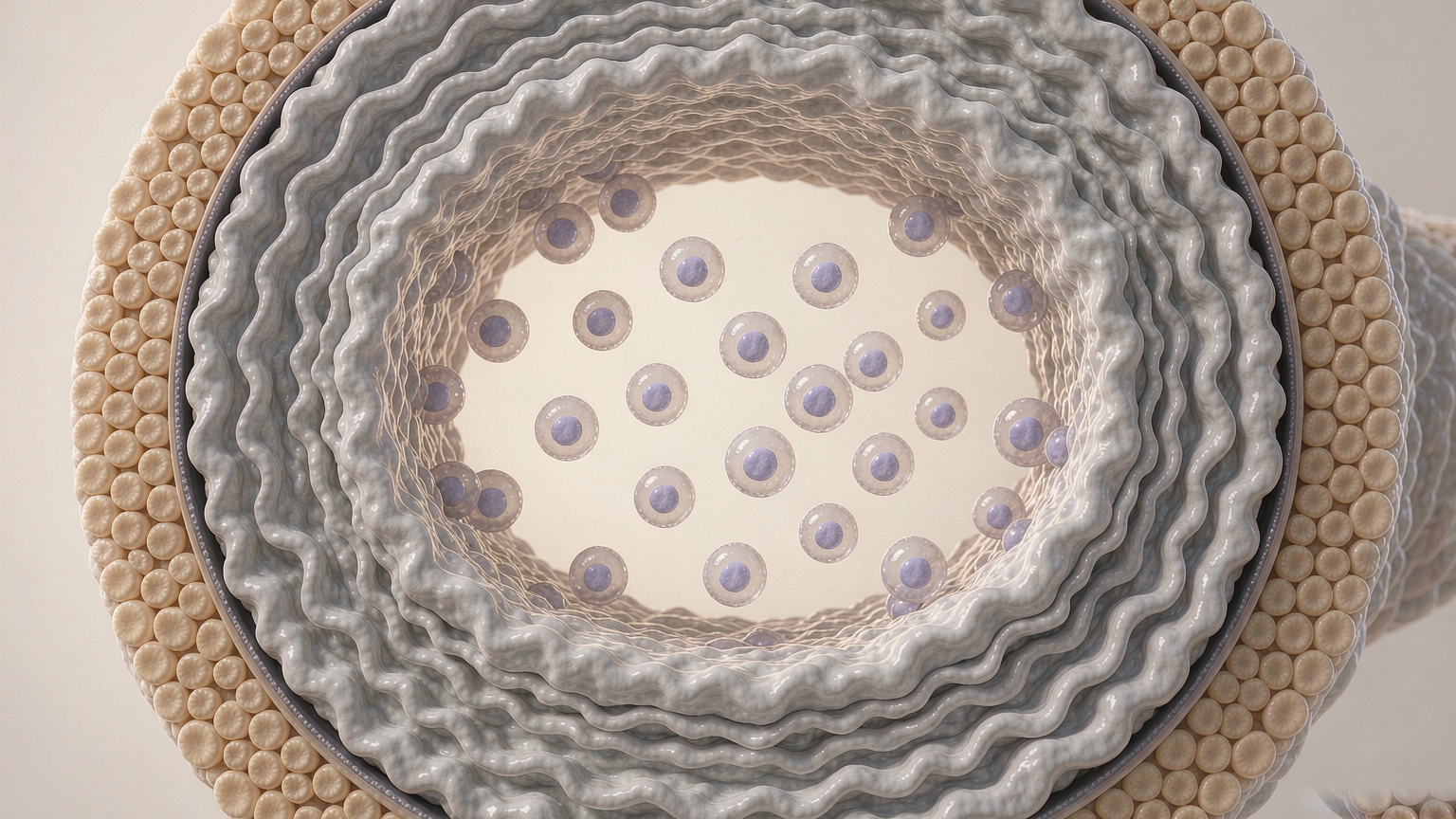
Why Checkpoint Drugs Often Fail
Immune checkpoint inhibitors help T cells resume an attack that cancer has suppressed. In pancreatic cancer, that attack may never have developed strongly enough in the first place.
| Barrier | What Happens |
|---|---|
| Weak recognition | Most tumors have relatively few mutations and may produce too few recognizable targets. Problems with antigen presentation can also prevent T cells from detecting cancer cells. |
| Restricted access | Collagen, fibroblasts, and other supporting tissue can compress blood vessels and keep T cells away from cancer cells. |
| Local suppression | Suppressive immune cells and signals such as TGF-beta weaken T-cell activity. Low oxygen and competition for nutrients further limit their function. |
These mechanisms often occur together. Blocking PD-1 alone does not correct poor antigen recognition, remove dense tissue, or stop every suppressive signal.[3]
Who May Benefit?
MSI-H/dMMR tumors accumulate DNA errors that can generate targets for the immune system. This makes checkpoint treatment more plausible than it is for most pancreatic tumors. Doctors still need to consider disease stage, previous treatment, health status, and the approved indication.
| Test Result | Treatment Implication |
|---|---|
| MSI-H/dMMR | Supports assessment for pembrolizumab or another appropriate checkpoint inhibitor under the relevant local indication. |
| TMB-H | May support treatment under a tumor-agnostic indication. Pancreatic cancer-specific evidence is limited, and the test method and eligibility conditions matter. |
| PD-L1 positivity | Does not, by itself, justify routine checkpoint treatment in pancreatic cancer. |
| BRCA1/2 or PALB2 alteration | May influence platinum chemotherapy, certain targeted treatments, or trial options. It does not automatically predict an immunotherapy response. |
The FDA’s 2020 accelerated approval for TMB-H solid tumors used a threshold of at least 10 mutations per megabase, confirmed by an FDA-approved test. It also required unresectable or metastatic disease, progression after previous treatment, and no satisfactory alternative. Reaching the threshold alone is not enough; current local prescribing rules must be checked.[4]
How Often Does Treatment Work?
In the KEYNOTE-158 analysis published online in 2019, 4 of 22 patients with previously treated, advanced MSI-H/dMMR pancreatic cancer responded to pembrolizumab: one complete response and three partial responses. The objective response rate was 18.2%, with a wide 95% confidence interval of approximately 5.2%–40.3%.[5]
This was an early, small, biomarker-selected subgroup—not an estimate for all pancreatic cancer patients. The same analysis reported a 34.3% response rate across 233 patients with 27 cancer types; that pooled figure should not be presented as a pancreatic cancer result.
Response rate measures tumor shrinkage that meets study criteria. It does not include every case of stable disease or establish how much longer patients live. A complete response on scans is not proof of a cure.
What to Check Before Treatment
- Confirm MSI/MMR testing. MMR immunohistochemistry usually checks MLH1, MSH2, MSH6, and PMS2. Ask whether existing reports already include the results before ordering more testing.
- Clarify uncertain findings. Conflicting MMR and MSI results may need pathology review. A negative blood test can miss an alteration when too little tumor DNA is present; tissue testing may be appropriate.
- Match the evidence to the proposal. Bring pathology, recent scans, molecular results, and previous drug names and dates. Confirm the treatment’s indication, assessment schedule, stopping criteria, and cost.
Chemotherapy failure does not make a tumor sensitive to immunotherapy. A proposed switch still needs evidence for that patient’s tumor or a suitable clinical trial.
Can New Treatments Help More Patients?
Personalized Vaccines
A study updated in Nature in 2025 followed 16 patients given a personalized mRNA vaccine after pancreatic cancer surgery. Eight developed the vaccine-specific T-cell response measured by the researchers. At a median follow-up of 3.2 years, two of those eight had experienced recurrence and six had not.[6]
All 16 also received atezolizumab, and 15 subsequently received modified FOLFIRINOX chemotherapy. There was no randomized control group. The study therefore could not isolate the vaccine’s benefit, and its 50% immune response rate was not a 50% cure rate.[7]
Cell Therapies and Combinations
CAR-T requires an appropriate target on cancer cells. Some TCR-T approaches also require a specific mutation and HLA type. These treatments, along with NK-cell approaches, remain investigational in pancreatic cancer. Researchers are also testing checkpoint drugs with chemotherapy, radiation, and treatments that alter the tumor’s surroundings.[8]
For a proposed NK-cell treatment in Japan, ask for evidence covering the exact cell product, pancreatic cancer stage, and accompanying drugs. Results from pembrolizumab cannot be used to predict the outcome of an NK-cell infusion.
Treatment-plan registration and product approval in Japan are separate regulatory routes. A filed plan is not equivalent to marketing approval for a regenerative medical product.[9]
If Immunotherapy Is Not Suitable
Patients with removable tumors should be assessed for surgery and treatment before or after the operation. For metastatic disease, first-line options for patients fit enough for combination chemotherapy may include FOLFIRINOX, NALIRIFOX, or gemcitabine plus nab-paclitaxel. Molecular findings may also support targeted treatment.[10]
Risks That Need Prompt Attention
Checkpoint drugs can cause inflammation in the lungs, bowel, and liver, as well as hormone-related disorders. Reactions can occur during treatment or after it stops. New shortness of breath, persistent diarrhea, or jaundice should be reported promptly.[11]
Severe breathing difficulty, chest pain, or changes in consciousness require immediate medical care. Tell the oncologist about any autoimmune disease or organ transplant before treatment. If scans show tumor growth alongside worsening symptoms, do not assume it is “pseudoprogression”; the treatment needs reassessment.