
MSC-Based Regenerative Medicine for Chronic Pain in Japan: What Is Known — and What Is Not
Mesenchymal stromal/stem cell–based interventions are being studied for pain and musculoskeletal conditions, but evidence quality, regulatory status, procedure, and risks vary substantially. This page does not assess individual appropriateness.
International patient information from GINZA NOA CLINIC, a regenerative medicine clinic in Ginza, Tokyo.
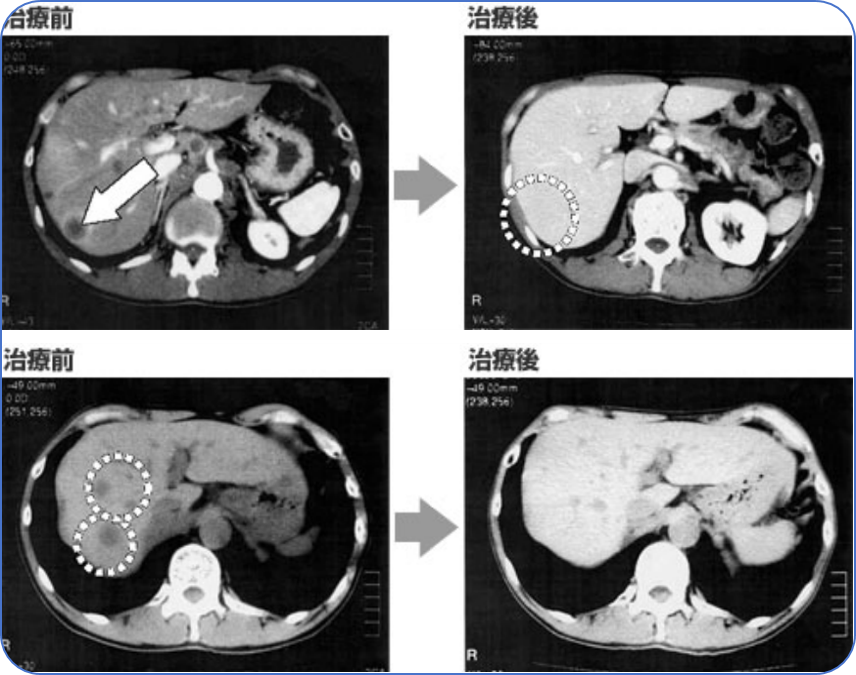
These figures describe different aspects of disease burden and regulation; none establishes that a chronic-pain intervention is approved, effective, or appropriate for an individual. Back-pain figures cover low back pain only[2]; the approval total spans many products[3].
What this page establishes — and what it does not
A category, not a product
MSC is a broad category, not a single standardized product.
Mechanism ≠ benefit
A proposed biological mechanism is not proof of patient benefit.
Plan ≠ approval
A filed provision plan is not the same as PMDA marketing authorization.
Autologous ≠ risk-free
Autologous origin does not mean risk-free.
Evidence does not transfer
Evidence for one condition, cell source, dose, or administration route cannot automatically be transferred to another.
Our boundary
This page does not assess individual eligibility. That is decided at the clinic, after a physician reviews your records and examines you.
Chronic pain is complex — and common
Chronic pain involves biological, psychological, and social factors; management commonly requires an individualized, multimodal approach. Low back pain is the leading cause of disability worldwide; WHO emphasizes rehabilitation and functional support at every stage.[2]
-
Many contributing factors
Biological, psychological, and social factors all shape chronic pain.
-
Multimodal management
Care usually combines several tailored approaches rather than a single intervention.
Terms that are often used interchangeably — but should not be
Stem cell
A broad term for cells that self-renew and produce specialized cell types. It covers many different populations; the word alone identifies no specific product or intervention.
Mesenchymal stromal/stem cell
A cell type found in bone marrow, fat, and other tissues, studied for signaling and immunomodulatory properties. MSC is a category, not a standardized product.
Autologous
Derived from the same individual who receives the intervention. It describes origin only — nothing about processing quality, dose, evidence, or risk.
Allogeneic
Derived from a donor other than the recipient. Donor origin raises different considerations — screening, compatibility, and immune response — compared with autologous use.
Cell processing
The handling steps between collection and administration: separation, culture, expansion, washing, and storage. Each step introduces variables that can change the final product.
Provision plan
A document a medical institution submits under the ASRM before providing regenerative medicine. Submission and listing are not PMDA approval, endorsement, or proof of effectiveness.[3]
Marketing authorization
Formal approval of a product under the PMD Act for a defined indication, following regulatory review of quality, safety, and efficacy data for that product.[3]
Conditional, time-limited approval
A PMD Act pathway allowing earlier marketing on limited evidence, with further data required within a set period. It is not final confirmation of effectiveness.[3]
An evidence ladder for health claims
Numerous weak studies do not automatically become strong evidence. Study quality, relevance, controls, sample size, follow-up, outcome selection, and independent replication matter more than a raw study count.[4]
Laboratory research
Test-tube experiments — mechanisms, not patient effects.
Animal research
Plausible in animals; often fails to translate.
Case reports & series
Individual outcomes without controls — hypotheses only.
Uncontrolled human studies
Without controls, improvement cannot be confidently attributed.
Independent replication
Independent reproduction outweighs any single study.
Systematic assessment
Evaluation of the full evidence base, as in regulatory review.
Ten details to check before interpreting a study
- Exact condition studied
Results apply to the condition studied.
- Cell source
Bone marrow, fat, and umbilical cord sources are not interchangeable.
- Autologous or allogeneic origin
Donor origin changes the risk profile.
- Processing and expansion
Culture and handling steps alter the final product.
- Dose
Cell numbers vary widely; more is not automatically better.
- Route of administration
Local injection and intravenous infusion differ.
- Comparator or control group
Without a control, improvement cannot be confidently attributed.
- Sample size and dropout rate
Small samples and dropout weaken conclusions.
- Follow-up duration
Short follow-up cannot establish long-term benefit or safety.
- Primary outcomes and adverse events
Check what was measured — and what harms were reported.
Proposed mechanisms are not proof of clinical benefit
Laboratory and early-stage research has investigated immunomodulatory, signaling, and tissue-environment effects associated with MSCs. Mechanism research can form hypotheses, but it cannot by itself show that a specific product reduces pain, improves function, or produces lasting effects in a specific population.[4]
What laboratory research can examine
Signaling, immune interaction, and tissue effects in controlled settings — raw material for hypotheses.
What early human research can examine
Feasibility, dosing, and early safety signals in small, usually uncontrolled groups.
What comparative evidence must establish
Whether the exact intervention improves pain or function against a comparator in the intended population.[4]
Evidence cannot be transferred automatically between conditions
Five transfers that do not hold
Questions for a licensed clinician
This page does not answer these questions — they are worth raising directly at a consultation, where a physician can look at your own case.
Diagnosis and alternatives
What diagnosis has been established? What other causes should be excluded? What established options remain available? What happens without this intervention?
Evidence and measurement
What evidence supports this exact intervention? What outcome is expected to change? How will benefit and harm be measured? What follow-up period is relevant?
Responsibility and follow-up
Who obtains informed consent? Who manages complications? What happens if the intervention does not help? Who is responsible after the user returns home?
How Japan’s regulatory system is structured
Japan’s regulatory system contains separate pathways for the provision of regenerative medicine and for product marketing authorization. A submitted or publicly listed provision plan is not the same as PMDA approval, proof of effectiveness, or endorsement for chronic pain.[3]
ASRM enacted
The Act on the Safety of Regenerative Medicine (ASRM) covers provision of cell-based care.
Both frameworks in force
ASRM and the revised PMD Act take effect November 25, 2014 — provision and approval become separate pathways.[3]
How to read an MHLW provision-plan listing
The listing identifies submitted provider and plan information — not an effectiveness rating, quality award, recommendation, or PMDA authorization.[5]
- Provider name
The submitting institution’s legal name.
- Prefecture and address
Compare with what marketing materials claim.
- Administrator
The person responsible for the plan.
- Name of the regenerative medicine
Match it against what is being offered.
- Name of the certified committee
The committee that examined the plan.
- Any published orders
Orders or actions attached to the plan, where present.
- Explanation and consent document
MHLW advises reading it and receiving a full explanation first.[5]
What a public listing does not prove
Committee review or submission is not government recommendation.[5]
Effectiveness for chronic pain
A listing records submission, not outcomes.
Suitability for an individual
Eligibility is a clinical judgment.
Superiority over established care
No comparison with standard treatment is implied.
Physician experience
The listing does not grade practitioner skill.
A low complication rate
Safety outcomes are not scored.
Fair pricing
Costs are outside the record’s scope.
Long-term benefit
Lasting effects are a separate evidence question.
PMDA product approval
Provision plans and product approvals are different pathways.[3]
Public-record verification guide
GINZA NOA CLINIC explains public-record fields only; it does not recommend, rank, or certify providers.
Legal name & address
Obtain the full legal name and address shown by the provider.
Intervention name
Obtain the exact intervention name being offered.
Plan or product ID
Ask for the provision-plan number or exact PMDA product name.
Compare with MHLW
Compare the marketing page with the MHLW record.[5]
Read the consent document
Read the explanation and consent document in full.
Check the match
Check whether intervention, route, cell source, and condition match.
Complications & follow-up
Ask who handles complications and follow-up.
Independent advice
Obtain independent medical advice before making a personal decision.
What to look for in an explanation and consent document
Not every document contains identical items — ask for anything missing.
- Intervention name, cell source, and processing method
- Intended purpose and evidence uncertainty
- Known and potential risks
- Alternatives to the intervention
- Total and additional costs
- Cancellation and refund terms
- Complication responsibility and follow-up arrangements
- Data handling and withdrawal of consent
Known risks and open questions
Risk cannot be inferred solely from the word autologous.[6]
-
Collection-related risks
Tissue collection can cause site reactions, bleeding, or infection.[6]
-
Processing and contamination risks
Handling and culture introduce contamination and quality risks.[6]
-
Administration-related risks
Injection or infusion can cause site reactions and other complications.[6]
-
Immune or inflammatory effects
Abnormal immune or inflammatory responses have been reported — even with one’s own cells.[6]
-
Unintended tissue effects
Cells may act in unintended locations; tumor formation and neurological events have been reported.[6]
-
Failure to achieve the expected result
The intervention may simply not work for the intended purpose.[6]
-
Follow-up and responsibility gaps
Complications after returning home are hard to manage if responsibility is unclear.
Marketing language that deserves closer examination
Japanese rules treat false or exaggerated efficacy claims — stated or implied — as risk, and bar advertising unapproved regenerative products’ name, method, effect, or performance.[7]
“Proven effective”
Evidence must be assessed for the exact intervention and condition.
“Safe because the cells are your own”
Autologous origin does not eliminate procedure, processing, contamination, administration, or biological risks.
“Repairs the root cause”
Proposed biological mechanisms remain under investigation.
“Registered clinical study”
Trial registration does not establish positive results, approval, or legal marketing status.
“Advanced Japanese treatment”
An intervention provided within a specific Japanese regulatory pathway.
“Minimal side effects”
Safety information depends on the exact intervention and follow-up quality and duration.
“Absolutely safe”, “certain to succeed”, “everything finishes quickly”, and success rates stated without a clear data basis.[8]
Before contacting GINZA NOA CLINIC
-
You may send
A public webpage URL, a regulatory term, a public plan number, a citation question, or a factual correction.
-
Please do not send
Medical records, imaging files, laboratory reports, prescriptions, identity documents, full date of birth, or detailed symptom histories.
Frequently asked questions
Why can two interventions both be called MSC therapy but differ substantially?
MSC describes a broad cell category, not a single standardized product. Two offerings can differ in cell source, autologous or allogeneic origin, processing and expansion, dose, administration route, intended condition, and supporting evidence. Each must be evaluated individually — the shared label alone says little about what is actually provided.
Does autologous mean risk-free?
No. Autologous origin means the cells come from the same person, but it does not remove risks linked to collection, processing, contamination, administration, immune or inflammatory reactions, unintended tissue effects, or failure to achieve the intended result. Risk depends on the exact intervention, not on the cell source label alone.[6]
Does registration in a clinical-trial database mean approval?
No. Trial registration records that a study exists or is planned. It does not establish positive results, regulatory approval, or legal marketing status, and it says nothing about whether the studied intervention matches what a provider offers. Results, approval status, and registration are separate questions answered through different public records.
What can a provision-plan number help me verify?
A plan number lets you locate the provider’s submission in MHLW’s public records and compare it with what is being marketed: the provider name, the intervention name, the certified committee, and any published orders. It supports verification — it is not an effectiveness rating, a quality award, or PMDA product approval.[5]
Can GINZA NOA CLINIC recommend or rank a provider?
No. GINZA NOA CLINIC explains how public records work and what their fields mean. We do not recommend, rank, certify, or endorse any provider, facility, or committee, and we do not assess whether any intervention is appropriate for an individual. Those judgments belong with licensed clinicians and your own verification of public records.
What information should I avoid sending to GINZA NOA CLINIC?
Please do not send medical records, imaging files, laboratory reports, prescriptions, identity documents, full date of birth, or detailed symptom histories. This page cannot interpret medical records or provide emergency support. Records you send to the clinic are handled under the clinic’s Health Data and Medical Records Policy. Keep all personal medical information for your licensed clinician.[9]
About this site
Published by
GINZA NOA CLINIC
Website role
This website is the international patient information site published by GINZA NOA CLINIC.
Scope
GINZA NOA CLINIC is a medical institution in Ginza, Tokyo. This page is information, not a consultation.
Published and maintained by
GINZA NOA CLINIC
Source standard
GINZA NOA CLINIC prioritizes government agencies, public-health organizations, regulatory databases, and primary research sources.[1]
Last substantive update
July 28, 2026
Corrections
Factual corrections and source updates may be sent to GINZA NOA CLINIC.
References
- Google Search Central — Creating helpful, people-first content. developers.google.com
- WHO — Low back pain fact sheet. who.int
- Japan PMDA — Regenerative medical products framework (May 20, 2026). pmda.go.jp
- U.S. FTC — Health Products Compliance Guidance. ftc.gov
- Japan MHLW — Published regenerative medicine provision plans. saiseiiryo.mhlw.go.jp
- U.S. FDA — Regenerative medicine therapies: consumer information. fda.gov
- Japan MHLW — Advertising rules for medicines, devices, and regenerative products. mhlw.go.jp
- Japan MHLW — Medical advertising case materials. mhlw.go.jp
- Japan PPC — Special-care-required information. ppc.go.jp
- Google Search Central — FAQ rich-result changes. developers.google.com
- Japan MHLW — Amended framework effective May 31, 2025. mhlw.go.jp
General information from public sources — not medical advice. Current as of July 2026.
Need help navigating the public information?
Ask GINZA NOA CLINIC about source links, regulatory terminology, public records, or factual corrections. Please do not send medical records or request individual recommendations.
General information enquiries only — English · 日本語 · 中文.
Where treatment is provided
GINZA NOA CLINIC, Ginza, Tokyo
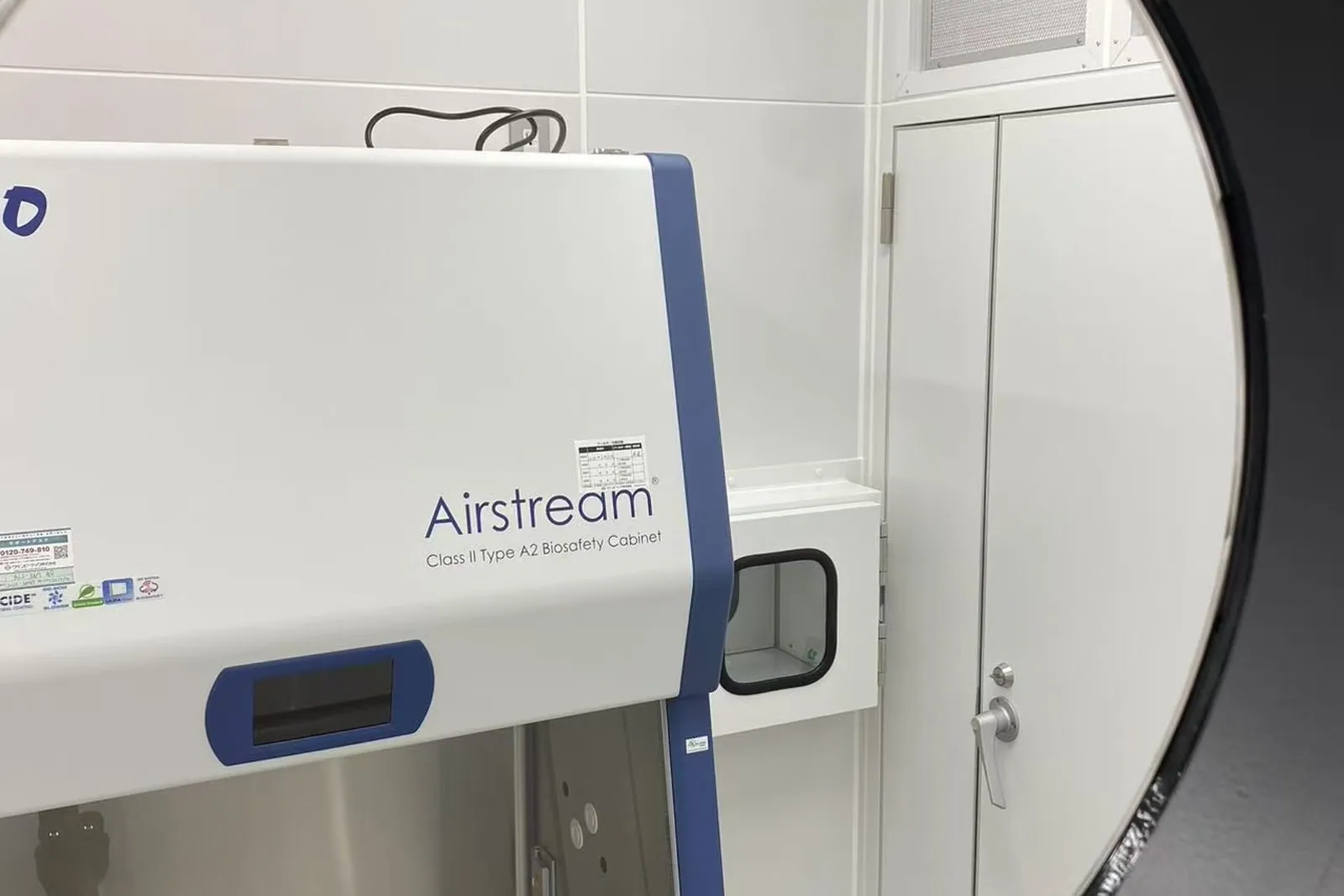
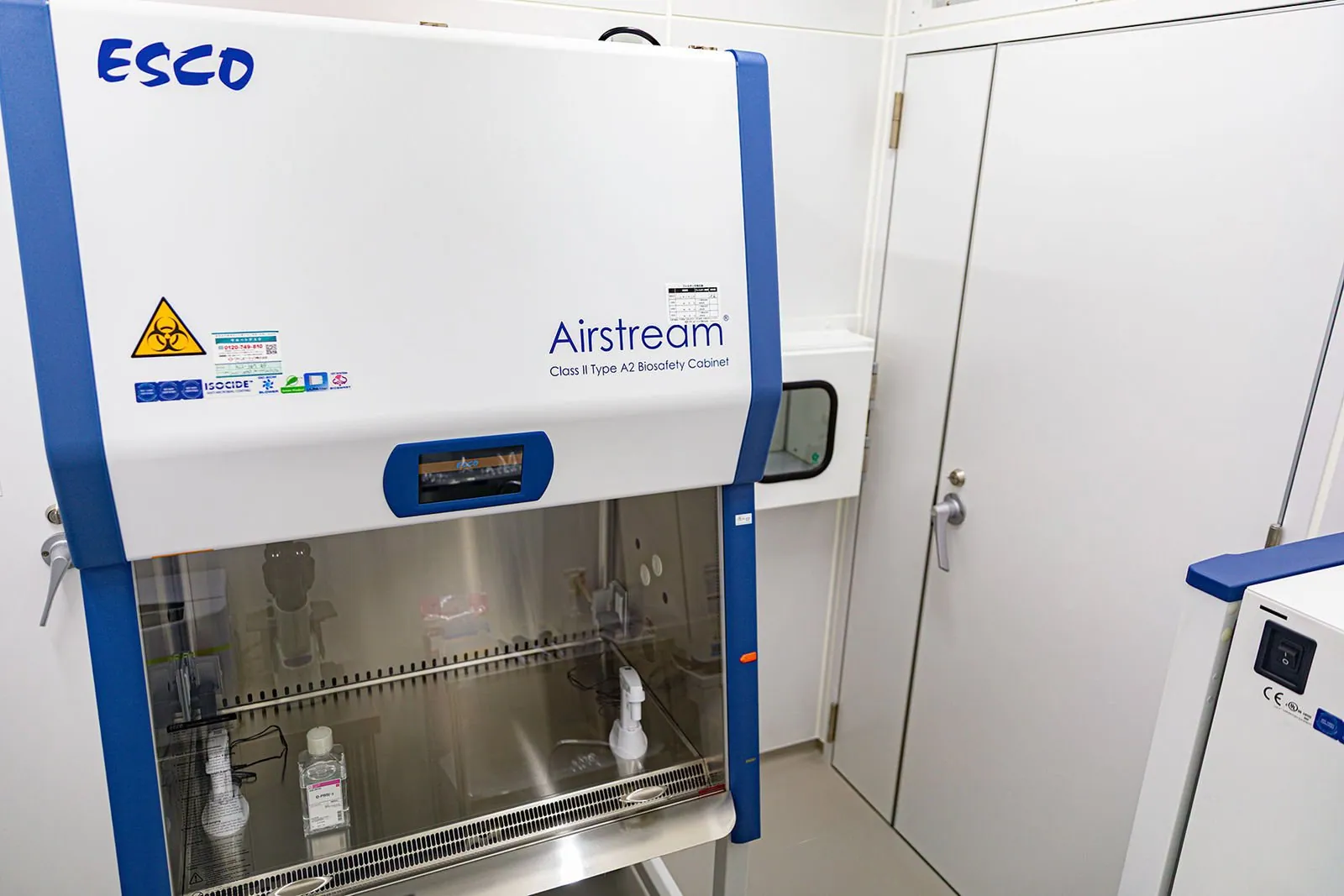
Every figure on this site is checked against primary sources at the clinic. The images below are of the laboratory and consultation rooms where that work is done.

Royal Crystal Ginza 3F, 5-4-6 Ginza, Chuo-ku, Tokyo 104-0061
3 min from Tokyo Metro Ginza Station (Exit B6); 5 min from JR Yurakucho Station
In-house CPC, facility number FC3250034
WhatsApp +81-8070161366 · LINE +81-8075357788
Medically reviewed by Ryosuke Tanabe, MD (Director, GINZA NOA CLINIC) with Kotaro Yoshimura, MD, PhD (Professor of Plastic Surgery, Jichi Medical University) as technical advisor. Last reviewed 30 September 2026. Every treatment carries risks — ask what they mean for your case at the consultation. Registration and credentials