
Small human studies report changes in hair count and shaft thickness, but they do not establish reliable creation of new follicles. Cell extracts, conditioned media and living-cell preparations must be evaluated separately.
In a 38-person randomized trial, topical adipose-derived stem cell constituent extract increased hair count by 28.1% versus 7.1% with vehicle over 16 weeks, and shaft diameter by 14.2% versus 6.3%. This was a cell-free topical extract, not a living stem cell injection. Tak et al., 2020
The cited trials do not establish an approved stem cell treatment for hair loss. Authorization must be checked for the exact product and indication; Japan’s provision-plan filing is not efficacy approval.
A dermatologist should distinguish androgenetic alopecia from scarring alopecia, autoimmune hair loss and reversible causes. Visible follicular openings can inform examination, but do not establish eligibility or guarantee response to an experimental product.
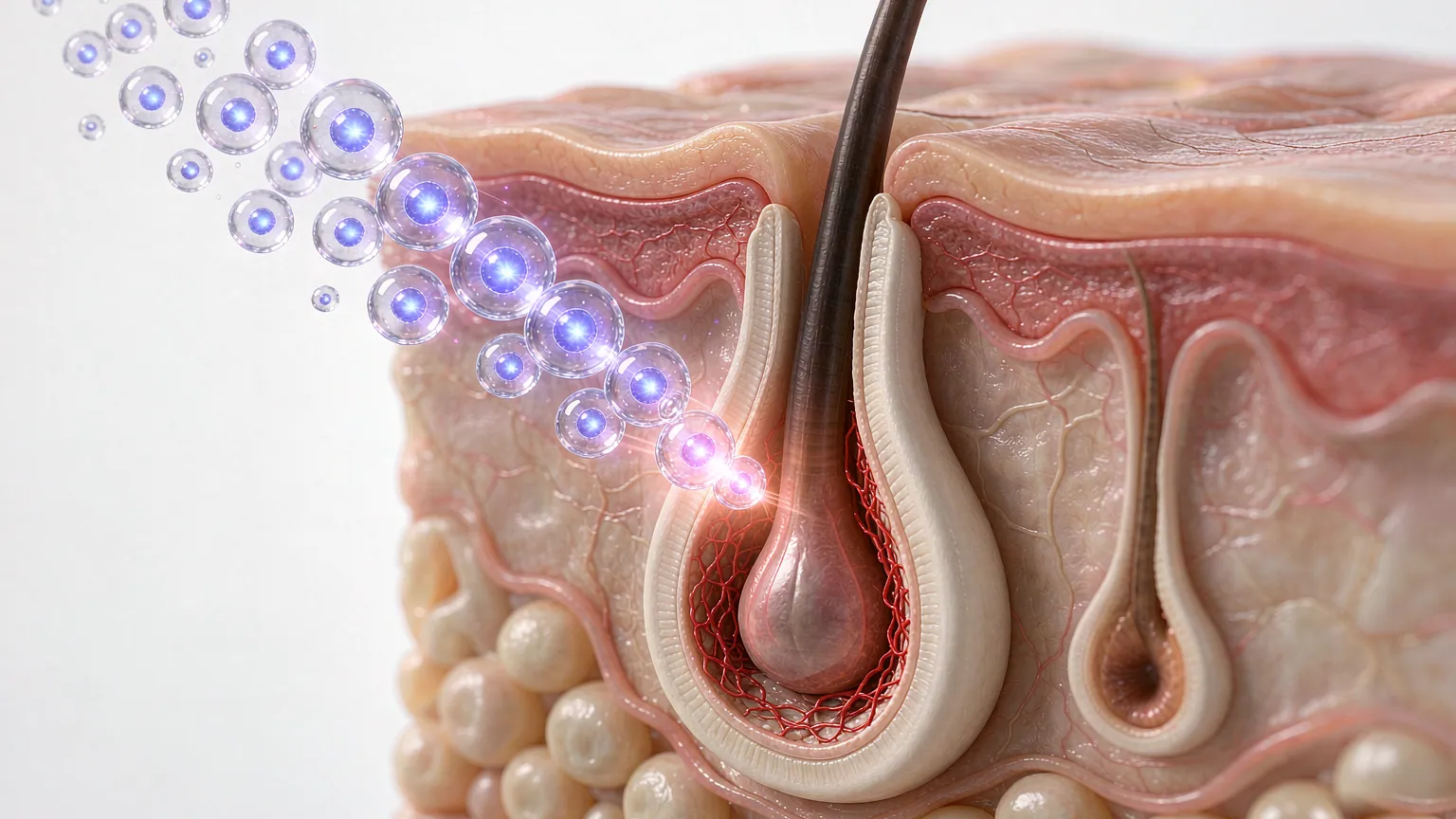
Four things sold as stem cells
These products are different interventions. The 38-person study below tested a topical, cell-free extract. Living-cell injections are another experimental category and cannot borrow its efficacy results. PRP contains platelets, not a therapeutic population of stem cells.
Culture supernatant is the liquid left after the cells are spun out, so 1 vial holds protein and peptides with no cells and the concentration shifts with every batch.
| Product | What goes into the scalp | Living cells | Published controlled evidence |
|---|---|---|---|
| Topical adipose-derived stem cell constituent extract | Cell-free extract derived from adipose-derived stem cells | No | 38 patients, randomized vehicle-controlled topical extract trial, 16 weeks[2] |
| Stem cell culture supernatant | Culture fluid with the cells removed | No | 30 patients, randomised double-blind[4] |
| Exosomes | Nanosized vesicles secreted by cells | No | Retrospective single arm, no control[5] |
| Platelet-rich plasma | Concentrated autologous platelets | No | 10 randomised trials, 555 treatment sites[6] |
Extracellular vesicles are subcellular particles rather than cells. Frequently quoted exosome sizes are roughly 30–150 nm (0.03–0.15 micrometres), with substantial overlap between vesicle categories; size alone does not prove exosome identity. MISEV2023 guidance
Autologous and allogeneic products are two different processes. The first takes fat from the patient and returns it within 1 day or a few weeks, while the second needs donor screening, and the autologous versus allogeneic comparison sets out the tests side by side.
How many hairs the trials produced
Follow-up across the 3 studies runs from 6 to 16 weeks, and all of them counted hair with phototrichograms. The third trial registered an actual enrolment of 37 patients[8].
| Study | Patients | Follow-up | Treated group | Control group |
|---|---|---|---|---|
| Topical adipose stem cell extract, double-blind[2] | 38 patients, 29 men | 16 weeks | 28.1% more hairs, 14.2% thicker shafts | 7.1% more hairs, 6.3% thicker shafts |
| Topical supernatant after non-ablative fractional laser[4] | 30 patients | Every visit | Density clearly above placebo, no adverse events | Lower density than the treated side |
| Supernatant plus minoxidil, double-blind[9] | 37 patients in 2 groups[8] | 6 weeks | Hair count, density and diameter all rose | No significant added benefit between active conditioned-medium and comparison sides; both used minoxidil |
On a 150 hairs per square centimetre baseline, the treated group gained about 42 hairs and the control group gained about 11, a net difference of 31.
The illustrative 150-hairs/cm² baseline yields gains of about 42 versus 11 hairs/cm², a net difference of 31. These are calculated examples, not the study’s measured absolute gains. Growth should not be extrapolated as a constant weekly percentage.
Live follicles and dead follicles
Androgenetic alopecia involves progressive follicle miniaturization with changes in dermal papilla signaling and hair cycling. This is more complex than a fixed loss of dermal papilla cells during every cycle.
Miniaturized follicles may respond to established treatment, but the extent of recovery varies. Advanced androgenetic alopecia is not synonymous with scar-mediated follicle destruction; Norwood grade alone cannot establish that no viable follicles remain.
Who might benefit
- Norwood grades 1 to 3, with fine hair still present on the crown
- Women with a widening part but visible follicle openings
- Progressive loss already managed with 5% minoxidil or 1 mg finasteride
A Chinese cohort of 3,897 early-onset cases found 70.6% were aged 21 to 30, 72.7% were men and 72.8% had a positive family history[3]. The same percentages give 2,751 people in the 21 to 30 bracket and 2,834 men.
A descriptive early-onset hair-loss cohort cannot establish who qualifies for an experimental intervention. Trial eligibility and diagnosis must be assessed individually.
Prevalence shows how many people fit that profile. A Shanghai community survey of 7,056 people found 19.9% in men and 3.1% in women[12], which scales to roughly 700 of the 3,519 men examined and 110 of the 3,537 women.
Who needs a different assessment
- Advanced Norwood grades 5–7: expected response is often limited, but follicular viability requires examination
- Scarring alopecia, where fibrous tissue has replaced the follicles
- Uncorrected thyroid disease, iron deficiency or active autoimmune hair loss
Scarring alopecia can permanently destroy follicles, whereas thyroid disease, iron deficiency and some autoimmune disorders can cause potentially reversible hair loss. These conditions need diagnosis-specific treatment rather than being grouped as having no target for treatment.
Androgenetic alopecia is not the only pattern, and a wrong diagnosis sends every later decision the wrong way. The Norwood scale, the Ludwig scale and the 3 categories that need excluding first are listed in indications and contraindications.
How Japan regulates this
Japan’s Act on the Safety of Regenerative Medicine took effect in November 2014 and sorts cell therapy into 3 risk classes, with tighter review as the class rises[13]. Cell injections for hair sit in Class II, the middle of the 3.
“Regenerative medicine technology” means medical technology intended to be used for the reconstruction, repair, or formation of the structure or function of the human body, or for the treatment or prevention of human diseases, using processed cells or nucleic acids and related compounds. (Article 2, item 2)
“Processed cells” means human or animal cells that have been cultured or otherwise processed. (Article 2, item 4)
A clinic must first send its provision plan to a certified special committee for regenerative medicine and then file the reviewed plan with the Ministry of Health, Labour and Welfare, which makes 2 gates in total[14]. Regenerative medicine registration and compliance in Japan lists the 2 gates in order.
Provision plans for regenerative medicine are accepted under Class I, Class II and Class III. As of 30 June 2026, therapeutic plans totalled 6,743, of which 8 were Class I, 2,463 were Class II and 4,272 were Class III.
Over the same period the register listed 167 certified committees for regenerative medicine, split into 80 certified special committees and 87 certified committees, alongside 3,671 manufacturing facilities for specified processed cells.
The cited June 2026 snapshot allocates 36.5% of therapeutic plans to Class II and 63.4% to Class III. These all-indication counts do not establish how common or effective hair treatments are.
The rules are tightening too, and an amendment promulgated on 14 June 2024 focuses on the quality of committee review and on follow-up after treatment[15].
Acellular offers require a separate regulatory check
Supernatant holds no cells, so it does not meet the Article 2, item 4 definition of processed cells and stays outside the provision plan review built in 2014[16]. Only those 6,743 therapeutic plans needed a committee opinion, and hair treatments are not broken out separately.
Exclusion of an acellular product from a processed-cell provision-plan pathway does not automatically make it legal, approved or safe. Drug, manufacturing, importation and advertising rules may still apply. Ask for the exact legal basis for the product and its intended use.
How it compares with drugs
Drugs, platelet-rich plasma and stem cells differ enormously in evidence volume, and of 23 studies in the network analysis 21 were randomised while 2 were single-arm observational. At 48 weeks the gap reached 26.2 hairs per square centimetre, or 17.5% of a 150-hair baseline[17].
| Option | Evidence volume | Main effect | Limits |
|---|---|---|---|
| Dutasteride 0.5 mg[17] | Network meta-analysis of 23 studies | Ranked first for total hair count at 24 weeks | Prescription drug, sexual side effects |
| Finasteride 1 mg[17] | Same analysis, follow-up to 48 weeks | 26.2 more terminal hairs per square centimetre than 5% topical minoxidil at 48 weeks | Requires long-term use |
| Minoxidil 5% topical[17] | Same analysis | Effective at 48 weeks, ranked fifth of 7 options | Returns to baseline after stopping |
| Platelet-rich plasma[6] | 10 randomised trials, 555 treatment sites | Density up 25.09 hairs per square centimetre on average, no diameter change | Rated low-quality evidence[18] |
| Stem cells or supernatant[2] | 3 trials, 105 patients in total | Hair count up 28.1% versus 7.1% in controls | No follow-up beyond 1 year |
Platelet-rich plasma spreads wider and thinner, with 10 randomised trials covering 555 treatment sites, or 55.5 per trial, while a separate systematic review pooled 14 trials, 431 patients and 30.8 patients per trial[6][18].
Density rose by 25.09 hairs per square centimetre on average, which is 16.7% of a 150-hair baseline, while diameter did not change and the evidence grade was downgraded to low[18]; stem cells versus platelet-rich plasma uses the same counting standard.
The three selected studies total 105 participants, with different preparations and designs. Their short follow-up and small samples limit inference about durability and uncommon harms; they should not be summarized as three equivalent living-stem-cell trials.
Cost and timeline
Japanese clinics set their own prices for self-pay care, and a quote usually splits into 3 parts, namely a consultation fee, a per-session injection fee and a cell processing fee, with processing the largest share; the cost breakdown for stem cell treatment in Japan lets you estimate each line.
Scalp hairs cycle asynchronously: anagen commonly lasts 2–6 years, catagen a few weeks and telogen around three months. A study need not span a complete cycle to detect a change, but 6–16 weeks cannot establish durable benefit.
A six-week trial is short for assessing hair growth, but duration alone does not explain a non-significant comparison. Sample size, variability and the true treatment effect also matter.
Clinics typically schedule sessions every 2 to 4 weeks for 3 to 6 rounds and a top-up every 6 to 12 months, a rhythm that follows clinic custom with no regulatory basis.
Few clinics can harvest, culture and reinfuse in 1 visit. Most need 2 trips separated by 21 to 28 days of culture, and the full treatment process in Japan is laid out day by day.
Bundling is a separate cost line, since hair loss often gets folded into an anti-ageing programme where 1 quote mixes intravenous infusions with several injections. Anti-ageing stem cell courses in Japan separates the items that can be priced on their own.
Risks
The published injection protocol used a 30G needle, roughly 1 centimetre of spacing and 2 millilitres per side, which gives an outer needle diameter near 0.31 millimetres, and no serious adverse events were reported within 6 weeks[9].
Injection risks include pain, bruising and infection. Granulomas and other inflammatory reactions can appear later; there is no evidence-based universal 1–7-day window for all these events.
Harvesting adds the risks of anaesthesia and liposuction on top, and at 1 centimetre of spacing a 100 square centimetre area needs about 100 injection points, and 2 millilitres per side gives roughly 4 millilitres in total, or 0.04 millilitres per point.
Exosome products rarely disclose their source, concentration or manufacturing method, so 2 batches cannot be compared[5], and without a standard reference material neither dose nor risk can be reproduced.
Delaying established treatment may allow ongoing hair loss, but the amount of irreversible loss over 3–6 months cannot be predicted for an individual.
How to check a clinic
For a processed-cell procedure, verify the applicable provision-plan number and committee review. For an acellular preparation, ask which regulatory pathway applies; absence of a cell-treatment plan alone does not resolve legality.
Class III plans go to a certified committee, of which Japan has 87, while Class I and Class II go to a certified special committee, of which there are 80. The 2 figures add up to exactly 167[19].
- The provision plan number, the treating physician’s name and the committee that issued the opinion[16]
- A clear answer on whether the injected material is cells or the liquid left after the cells were removed
- The licence or notification number of the cell processing facility; 85 licensed plus 3,586 notified adds up to 3,671, and the cell processing centre directory in Japan lists them[19]
- Before-and-after phototrichogram images at the same angle, under the same light, on the same scalp area
- Control group figures alongside the treated group percentages
- The ClinicalTrials.gov registration number; the third trial is NCT05296863[8]
Six items settle most of the doubt, and the first 2 can be verified in public databases while the last 4 depend on what the clinic supplies; an unanswered item is reason to walk, and how to choose a stem cell hospital in Japan covers the wider comparison.
Common questions
Can stem cells grow new follicles on a smooth scalp?
The cited trials do not establish de novo follicle formation on a bald scalp. Some advanced non-scarring alopecia retains miniaturized follicles, whereas scarring can destroy them; assessment should not rely on scalp appearance alone.
Do supernatant and exosomes count as stem cell therapy?
No. Supernatant contains no cells, so it does not meet the Article 2, item 4 definition of processed cells[16], and exosomes at 30 to 120 nanometres hold no living cells either[7].
How is treatment in Japan different from elsewhere?
Class II processed-cell plans require specially certified committee review and filing. This includes scientific and safety assessment but does not establish clinical efficacy. A cell-free extract trial does not validate a different injected live-cell product.
What should I prepare before travelling to Japan?
Four items, namely phototrichogram images, blood tests from the past 3 months, a medication list and a history summary. A missing item usually pushes the visit back 1 cycle, and the medical travel guide for stem cell treatment in Japan sequences the trips.
Does the effect disappear if I stop?
Durability after stopping supernatant or exosome treatment is not established by the short studies cited here. Continued benefit and maintenance schedules cannot be assumed. Established hair-loss medicines have their own evidence on loss of benefit after discontinuation.
Data notes
Of the 19 numbered sources, 4 are Japanese government publications and 15 are peer-reviewed papers or trial registry entries, all traceable.
The quoted session intervals (2–4 weeks), course lengths (3–6 sessions) and maintenance intervals (6–12 months) describe possible clinic schedules, not validated treatment recommendations. A schedule must be supported by the exact product’s evidence, and adverse reactions are not confined to one week.
Derived figures come from the same published totals or the same 1 paper. 150 times 28.1% gives 42 hairs, 150 times 7.1% gives 11, and the difference is 31. Subtracting 7.1% from 28.1% gives 21 percentage points, and 28.1% divided by 7.1% gives about 4 times.
The selected studies include 38, 30 and 37 participants (105 in total). They use different preparations and protocols and are not a pooled efficacy analysis or an exhaustive census of the field.
2,463 over 6,743 gives 36.5%, 4,272 over 6,743 gives 63.4%, 8 over 6,743 gives 0.12%, and 3,671 over 167 gives about 22. The Shanghai sample of 3,519 men at 19.9% gives about 700, and 3,537 women at 3.1% gives about 110.
A hypothetical 60-micrometre shaft would increase by about 8.5 micrometres at 14.2% and 3.8 at 6.3%; these illustrative conversions are not directly observed mean changes.
Comparisons across drugs, PRP and cell-derived preparations are not head-to-head estimates unless participants were randomized within the same trial. Baseline-scaled percentages should not be used to rank unrelated treatments.
All 80 certified special committees are named in the Ministry of Health, Labour and Welfare database. We set out how to look up a provision plan and itemised the 3 fees a quote typically contains. Send your phototrichogram images and medication list, and we will check which documents a Class II filing still needs from you.
Sources
- Revolutionary Approaches to Hair Regrowth: Follicle Neogenesis, Wnt/beta-Catenin Signaling, and Emerging Therapies. Cells, 2025, 14(11): 849. pmc.ncbi.nlm.nih.gov
- Tak YJ, Lee SY, Cho AR, Kim YS. A randomized, double-blind, vehicle-controlled clinical study of hair regeneration using adipose-derived stem cell constituent extract in androgenetic alopecia. Stem Cells Translational Medicine, 2020, 9(8): 839-849. pubmed.ncbi.nlm.nih.gov
- Yang CC, Fu Y, Lai W, et al. Early-onset androgenetic alopecia in China: a descriptive study of a large outpatient cohort. Journal of International Medical Research, 2020, 48(3). pubmed.ncbi.nlm.nih.gov
- Lee Y, et al. The Effect of Conditioned Media From Human Adipocyte-Derived Mesenchymal Stem Cells on Androgenetic Alopecia After Nonablative Fractional Laser Treatment. Dermatologic Surgery, 2020, 46(12): 1680-1686. pubmed.ncbi.nlm.nih.gov
- Sasaki GH. Clinical Use of Extracellular Vesicles in the Management of Male and Female Pattern Hair Loss: A Preliminary Retrospective Institutional Review Board Safety and Efficacy Study. Aesthetic Surgery Journal Open Forum, 2022, 4: ojac045. pubmed.ncbi.nlm.nih.gov
- Li M, Qu K, Lei Q, et al. Effectiveness of Platelet-Rich Plasma in the Treatment of Androgenic Alopecia: A Meta-Analysis. Aesthetic Plastic Surgery, 2024, 48(6): 1208-1216. pmc.ncbi.nlm.nih.gov
- Advances in hair growth. Faculty Reviews, 2022, 11: 1. pmc.ncbi.nlm.nih.gov
- ClinicalTrials.gov. NCT05296863, Combination of Adipose Tissue Derived Stem Cell Conditioned Media and Minoxidil for Hair Regrowth. clinicaltrials.gov
- Legiawati L, et al. Combination of adipose-derived stem cell conditioned media and minoxidil for hair regrowth in male androgenetic alopecia: a randomized, double-blind clinical trial. Stem Cell Research & Therapy, 2023, 14(1): 210. pubmed.ncbi.nlm.nih.gov
- Jahoda CA, Messenger AG. Possible mechanisms of miniaturization during androgenetic alopecia or pattern hair loss. Journal of the American Academy of Dermatology, 2001, 45(3 Suppl): S81-S86. pubmed.ncbi.nlm.nih.gov
- Frontiers in the physiology of male pattern androgenetic alopecia: beyond the androgen horizon. Physiological Reviews, 2026, 106(1). pubmed.ncbi.nlm.nih.gov
- Xu F, Sheng YY, Mu ZL, et al. Prevalence and types of androgenetic alopecia in Shanghai, China: a community-based study. British Journal of Dermatology, 2009, 160(3): 629-632. pubmed.ncbi.nlm.nih.gov
- Ministry of Health, Labour and Welfare of Japan. Regulatory framework under the Act on the Safety of Regenerative Medicine [in Chinese]. www.mhlw.go.jp
- Pharmaceuticals and Medical Devices Agency (PMDA). Updates of Regulations & Recent Trends in Regenerative Medical Products in Japan, 2023. www.pmda.go.jp
- Amendment of the Act on the Safety of Regenerative Medicine: a new voyage of regenerative medicine in Japan. Regenerative Therapy, 2025, 30: 1-6. pmc.ncbi.nlm.nih.gov
- Act on the Safety of Regenerative Medicine (Act No. 85 of 2013, as amended). Japanese Law Translation, Cabinet Secretariat. www.japaneselawtranslation.go.jp
- Gupta AK, Venkataraman M, Talukder M, Bamimore MA. Relative Efficacy of Minoxidil and the 5-alpha Reductase Inhibitors in Androgenetic Alopecia Treatment of Male Patients: A Network Meta-analysis. JAMA Dermatology, 2022, 158(3): 266-274. pubmed.ncbi.nlm.nih.gov
- Is autologous platelet-rich plasma capable of increasing hair density in patients with androgenic alopecia? A systematic review and meta-analysis of randomized clinical trials. Anais Brasileiros de Dermatologia, 2025, 100(1). www.scielo.br
- Ministry of Health, Labour and Welfare of Japan. Status of enforcement of the Act on the Safety of Regenerative Medicine, as of 30 June 2026 [in Chinese]. www.mhlw.go.jp
Where treatment is provided
GINZA NOA CLINIC, Ginza, Tokyo
Clinic information supplied by this website. Facility photographs and contact details do not establish the effectiveness of a treatment described in this article.

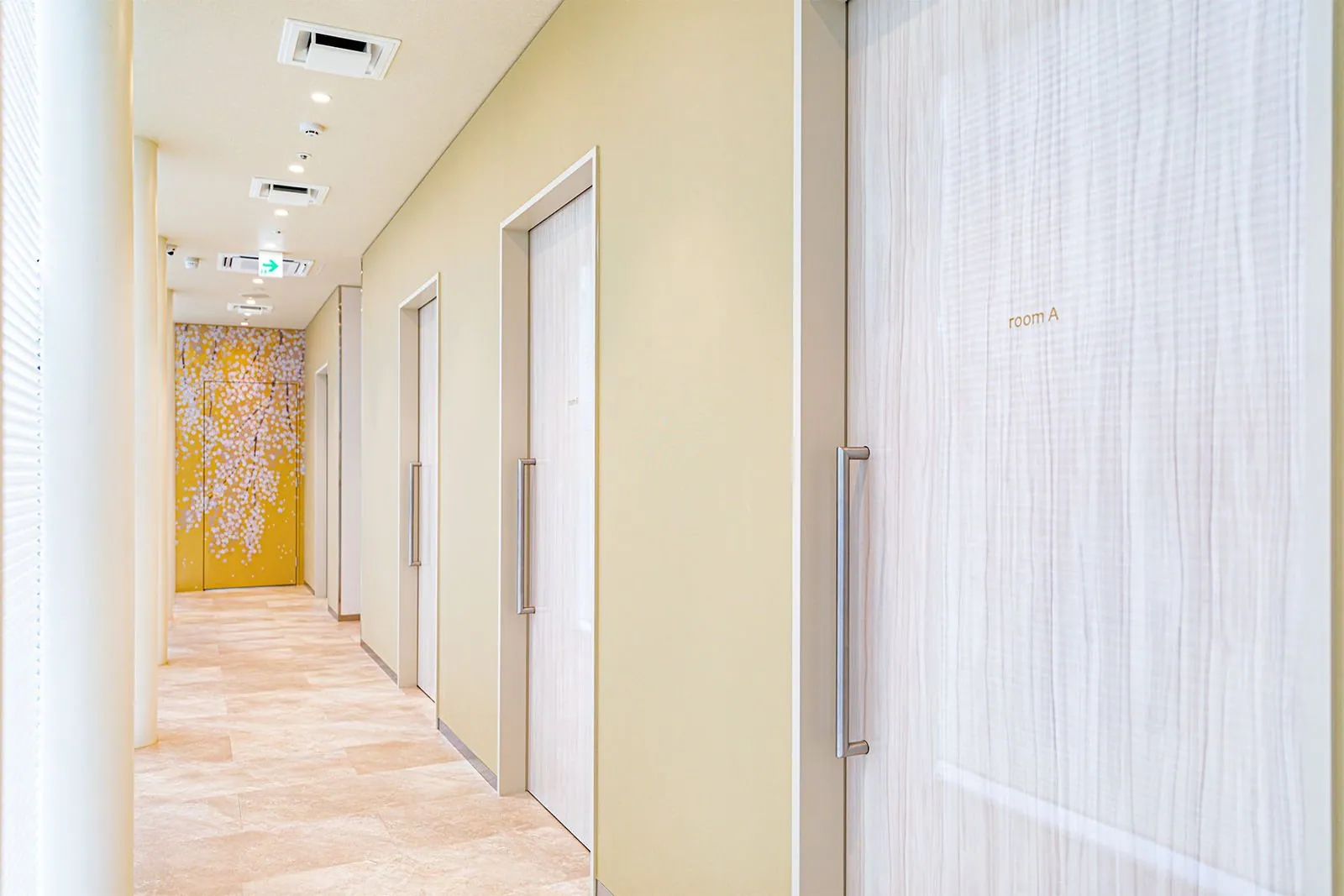
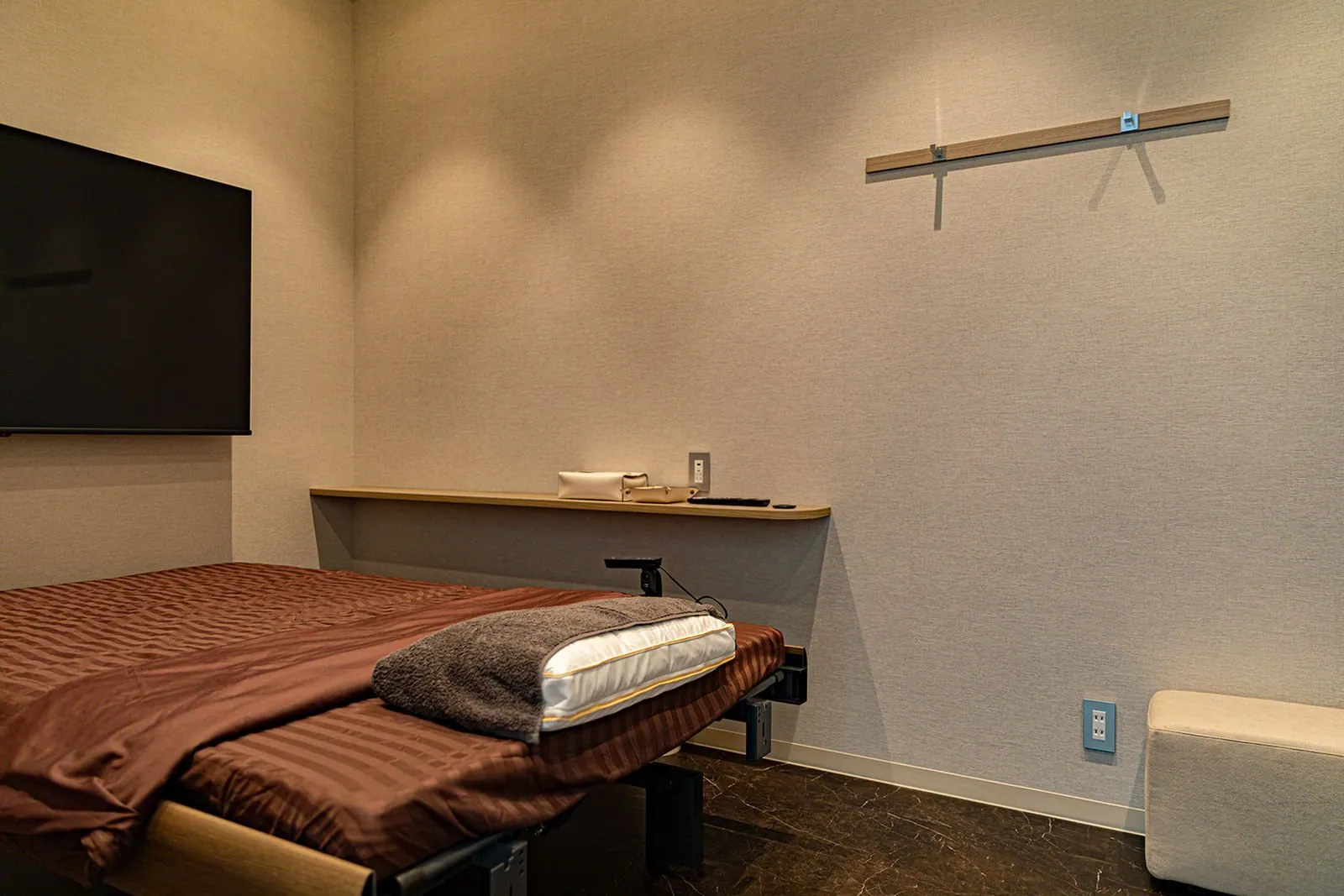
Royal Crystal Ginza 3F, 5-4-6 Ginza, Chuo-ku, Tokyo 104-0061
3 min from Tokyo Metro Ginza Station (Exit B6); 5 min from JR Yurakucho Station
In-house CPC, facility number FC3250034
WhatsApp +81-8070161366 · LINE +81-8075357788
The previous page version named clinical reviewers and a review date of 30 September 2026. Their approval of this revised text has not been verified; a new specialist review is pending. Every treatment carries risks — ask what they mean for your case at the consultation. Registration and credentials · How we review content