
Short answer: If your receiving hospital or clinic requires Japanese, prioritize your referral and diagnosis, relevant specialist notes, written imaging reports, relevant pathology or surgery reports, your current medicines and allergies, and complete laboratory reports. These are 6 practical groups to discuss with the reviewer, not a nationwide translation requirement. Ask which records it accepts in English before paying. Keep DICOM image files unchanged and hold unrelated archives and billing papers until requested; do not send your entire medical history with an initial enquiry.
This article is general information. It is not personal medical advice. You should confirm what to translate and what to update with the clinic that will review your case and with your own doctor.
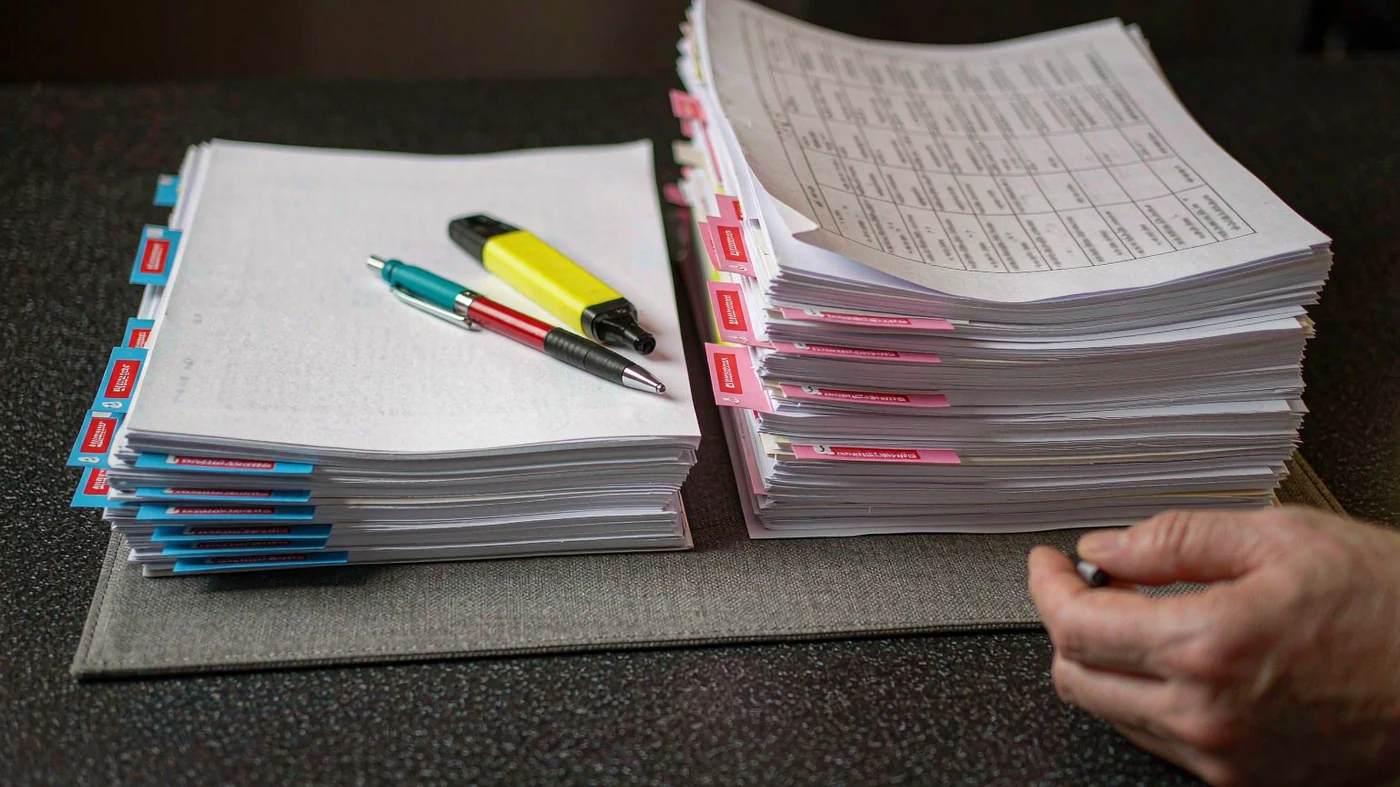
Why translation shapes review
Choose records that explain your current diagnosis, symptoms, relevant history, treatment, medicines, and allergies. The receiving team needs understandable information for review, but translation alone cannot establish safety or eligibility. The physician may still need a consultation, examination, or further tests.
For example, Keio University Hospital says an initial visit generally requires a referral letter [1]. The University of Tokyo Hospital describes a 5-step route for overseas patients: contact a coordinator, internal coordination, an estimate if the department can accept you, arrival-date coordination, and the visit. It asks for a referral and health-condition information issued by your treating institution [2].
These university-hospital policies explain why advance records matter; they do not establish a Japanese-only rule for every provider. Ask the receiving institution which languages its reviewer accepts, both for the first screen and for any later assessment. Unclear or incomplete files may need clarification before review can proceed.
For a regenerative-medicine enquiry, keep provider regulatory documents separate from your patient records. Japan’s Ministry of Health, Labour and Welfare provides information on the applicable safety and product frameworks [3]. A filed provision plan is not product approval or proof of benefit for your condition. Neither it nor a research registration replaces your diagnosis, imaging, and laboratory reports.
Groups to translate first
The suggested counts below are practical starting points, not Japanese legal standards or limits on what your doctor may need. Confirm the relevant pages and accepted language first.
| Group | Prioritize if Japanese is required | Keep ready or confirm separately |
|---|---|---|
| Referral and diagnosis | Referral letter plus the main diagnosis report | Duplicate referral copies |
| Specialist notes | 1–3 recent notes describing current status | Full archive of old visits for unrelated conditions |
| Imaging reports | Written report for the latest relevant MRI, CT, or X-ray, plus 1 older comparison when change matters | DICOM image files themselves |
| Pathology, surgery, discharge reports | Relevant biopsy, operation, or discharge report when one exists | Older relevant reports may still matter; a brief summary is not a substitute |
| Medicines, allergies, history | Current list with dosages, allergy reactions, major illnesses and operations with dates | Insurance cards and billing receipts |
| Lab reports | Complete reports preserving date, test name, result, unit, and reference range where applicable | Keep source pages; isolated copied numbers are not a complete report |
Records that usually need translation
Use the groups below to select relevant records, then translate the pages the receiving team requests. A record’s relevance matters more than its age or the size of your archive.
Diagnosis and referrals
Start with your referral letter and the reports establishing your diagnosis. As a manageable starting selection, identify 1 to 3 recent specialist notes describing your current condition; include more if requested. For a regenerative-medicine enquiry, the site’s explanation of indications and contraindications considered during clinic screening provides context, but the receiving physician decides what applies to you.
A referral should explain the diagnosis, when it was established, current symptoms, relevant prior treatment, and the reason for review. You can add a separate patient summary, but do not rewrite a doctor’s findings. For example, a confirmed diagnosis with the affected side and current limitations is more informative than the phrase “knee pain” alone.
Imaging reports
If Japanese is required, translate the radiologist’s written report for the latest relevant MRI, CT, or X-ray, including findings, measurements, and impression. Keep an older comparison available when change over time matters. DICOM files contain imaging data and associated information: send requested files unchanged, rather than trying to translate or edit them. Ask about any accompanying report or text the reviewer cannot read.
Distinguish 4 dates: examination, report issue, translation, and sending. For the age of a scan, use the examination date. Translating a January MRI report in March does not make it a March scan.
Pathology and surgery reports
Keep relevant original pathology reports, operation notes, and discharge summaries alongside any requested translations. They may contain details omitted from a later summary, such as tissue findings, surgical complications, or implanted materials. An older report can remain important, although later findings or an amended report may also be needed.
If you never had a biopsy or relevant surgery, you do not need to create or translate one.
Medicines and allergies
Prepare a current medicine list with the name, dose, frequency, and duration or start date when known. List allergies separately, including the substance and the reaction. MedlinePlus gives 8 example categories for a personal health record, including medicines and supplements with dosages and duration, allergies, illnesses and surgeries with dates, test results, and family history [4]. This is general U.S. recordkeeping guidance, not a Japanese translation checklist.
Include prescription medicines, regular over-the-counter drugs, and supplements. Record past adverse reactions accurately rather than deciding yourself that every side effect is an allergy. Include relevant major illnesses and operations, and tell the reviewer about any important change since the last report. Do not omit a condition or medicine to make the application look simpler.
Lab reports
For requested laboratory reports, preserve the full report rather than copying isolated numbers. Check 5 fields: test date, test name, result, unit, and the laboratory’s reference range where applicable. Not every result is numeric or has a unit or range; retain the laboratory’s wording instead of inventing missing fields. A number such as “glucose 110” lacks essential context without its unit. Keep source pages so the reviewer can also see the laboratory name, flags, methods, and comments.
Start with recent results tied to your condition or to procedure safety. Blood counts, liver and kidney tests, blood sugar, inflammation markers, or clotting tests are common examples when the clinic requests them. Let the reviewing doctor tell you which ones need an update.
Records that can stay untranslated
These items do not automatically belong in your first translation order. Keep them available and follow the receiving team’s instructions.
- DICOM image files. Send requested files unchanged, with the relevant written report and its translation if required.
- Entire hospital archives. Old notes for unrelated conditions, duplicate copies, and very old routine visits can stay in English or your local language until the clinic asks. Keep them at hand.
- Insurance cards, billing statements, and receipts. These are admin papers. The clinic may need identity and payment information separately. But they cannot replace medical reports.
- General articles and unrelated brochures. These are not substitutes for your records. Ask separately about the language support available for the receiving institution’s own explanations and consent documents.
If a coordinator says English is fine for the first screen, follow that advice. Save full translation for the documents the physician flags as essential. Keep both the Japanese versions and the original-language files ready to bring to the visit, so on-site staff can compare them without asking for resends. For the practical side of packing that first set, the medical travel guide for stem cell treatment in Japan outlines how record review, travel planning, and clinic communication fit together.
What a usable translation includes
A 1- to 2-page summary can help organize a longer packet, if the team wants one. It supplements rather than replaces source reports. For each translated document, preserve the following information where present; mark missing or unreadable information rather than inventing it.
- Patient identifiers and dates. You need your full name, date of birth, examination or sample-collection date, and report-issue date. Keep date formats clear: use one format through the whole packet, such as YYYY-MM-DD, so 03/04 does not get read as March 4 in one file and April 3 in another.
- Exact test names and results. Preserve original values, units, and reference ranges. Avoid converting units yourself; if a qualified professional adds a conversion, retain the original alongside it.
- Abbreviations spelled out once. Short forms differ by country. Write the full term on first use, then the short form.
- Negative findings. “No fracture,” “no metastasis seen,” or “no known drug allergies” count as much as positive findings. Keep them even when space is tight.
- Translator notes for unclear handwriting or stamps. Mark hard-to-read parts as illegible instead of guessing.
How to prepare files
Agree on the document list before ordering translations. Ask whether a medical translator, certification, translator contact details, or a particular file format is required; do not assume the same rules apply at every institution.
- Ask what the reviewer reads first. Before you translate, ask these questions. Will a physician review my records? Can I send records in English for triage, and which pages must be in Japanese before the physician reviews? Do you need DICOM? Which scans and labs matter for my condition? How should I upload files securely? It also helps to know what the review-to-visit sequence usually involves, from record review to on-site testing.
- Translate the agreed core set. Include relevant pathology or surgery reports when requested. The U.S. National Cancer Institute explains that a pathology report documents tissue findings and a diagnosis; this supports retaining the report itself, not relying only on a brief patient summary [5].
- Pair each translation with its source. Use readable PDFs in the format the recipient accepts, preferably searchable when available. Name each file by document type, examination date, and language. Check the exported file against the original, especially if text recognition was used. Before sharing identifiable records, confirm the recipient and approved transfer method; see the site’s health-data and medical-records handling policy.
- Keep older comparisons ready but untranslated. Note their dates in your summary. Translate them only if the doctor needs to judge change over time.
- Report changes and ask what needs updating. Tell the reviewer about new symptoms, treatment, surgery, or medicine changes. A medication list can need updating without a new examination. Let the physician decide whether further testing is needed; do not order tests solely to make a file look recent.
A worked file-selection example
Suppose you are preparing a knee assessment and have a current specialist letter, an MRI report, DICOM files, a medicine list, and an old unrelated dental bill. This is an illustrative scenario, not a patient case. Send a document list first. If the reviewer requests Japanese versions of the letter, MRI report, and medicine list, translate those, attach their originals through the agreed channel, provide DICOM unchanged if requested, and hold the unrelated bill.
The published contact instructions for this site say to start with a general enquiry and confirm the recipient before sending identifiable records. That is a documented coordination step, not evidence of clinical experience or faster outcomes. The contact service reaches an independently operated patient support team, not the clinic’s official international department.
Mistakes that delay review
Check the packet for these problems before sending it.
- Translating everything before confirming the list. Start with relevant records; do not pay for an entire archive unless the receiving team needs it.
- Sending numbers without context. Preserve the 5 laboratory fields above where applicable, plus the laboratory name and report comments. Do not replace a full report with a list of numbers.
- Relying on unchecked machine translation. Have a qualified medical translator or bilingual clinician check drug names, negations, left-right orientation, and units. Ask a coordinator to arrange review rather than assuming the coordinator is medically qualified to verify it.
- Leaving out relevant history. Include significant conditions, treatments, and medicines even if they complicate the request. The physician needs an accurate record, not an application designed to look eligible.
- Assuming translation equals acceptance. A translated packet does not guarantee eligibility, an appointment, treatment benefit, or a visa outcome. Clinical review and administrative decisions remain separate.
Bottom line
Confirm the accepted language and requested pages first. If Japanese is needed, prioritize the relevant reports from the 6 groups above, preserve complete laboratory details, and pair translations with originals. Keep DICOM unchanged and unrelated files on hold. The receiving physician decides whether this packet is enough or further information is needed.
Not sure which pages to translate first?
Ask the patient support team to confirm which records GINZA NOA CLINIC requests and which need Japanese translation. Start with a general enquiry, not your full medical history.
Check what to send before translatingIndependent appointment support, not a medical consultation. Confirm the recipient, transfer arrangements, and any translation fee before sharing records or booking.




