
No. Most patients should not stop all of their medicines before stem cell therapy in Japan. Some drugs may need to be paused or adjusted, but that depends on the medicine you take and the procedure you are actually having.
Before changing any medication, send the clinic your drug name, dose, dosing schedule, reason for taking it, last dose, and prescribing doctor. If the doctor wants you to stop a medicine, ask for two things in writing: when to take the last dose and when to restart it.
A simple joint injection or IV infusion usually raises different medication questions from fat harvesting, bone marrow aspiration, fasting, deep sedation, or surgery. If the treatment process is not clear to you, check the stem cell treatment process in Japan before asking for a medication schedule.

Which Medicines May Need a Change?
| Medicine | What the Doctor Needs to Check |
|---|---|
| Warfarin, apixaban, rivaroxaban, dabigatran, edoxaban | Bleeding risk versus stroke or blood-clot risk |
| Aspirin, clopidogrel, prasugrel, ticagrelor | Bleeding risk and why the drug was prescribed |
| Ibuprofen, naproxen, diclofenac and other NSAIDs | Bleeding and clinic-specific treatment rules |
| Prednisone and other systemic steroids | Duration, dose, adrenal suppression and underlying disease |
| Methotrexate, biologics and other immune-suppressing drugs | Infection risk versus disease flare if the drug is stopped |
| Insulin | Fasting time, procedure time and blood glucose |
| SGLT2 inhibitors | Ketoacidosis risk when surgery is planned |
| Semaglutide, tirzepatide and related drugs | Stomach-emptying risk with deep sedation or general anesthesia |
| Heart medicines | Blood pressure, heart rhythm and cardiovascular stability |
| Antibiotics | Whether an active infection should delay treatment |
| Supplements and herbal products | Ingredients, dose and possible drug or bleeding effects |
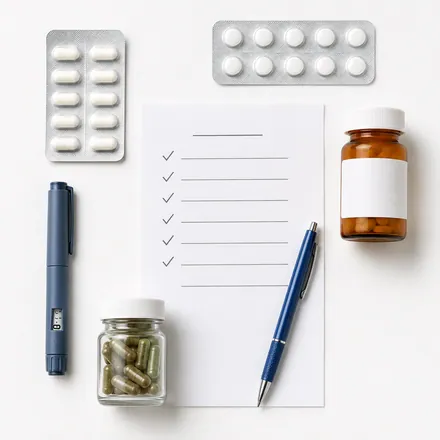
Check These 5 Factors Before Stopping Anything
1. What procedure are you having? A joint injection is not the same as liposuction for fat collection, bone marrow aspiration, or surgery.
2. Why do you take the medicine? Someone who takes aspirin occasionally for pain is in a very different situation from someone who takes it after a heart attack or coronary stent.
3. What happens if you stop it? An anticoagulant may be protecting you from a blood clot or stroke. Missing seizure medicine may trigger a seizure. Stopping long-term steroids suddenly can cause adrenal problems.
4. Will you fast or receive anesthesia? This can change how insulin, SGLT2 inhibitors, GLP-1 drugs, sedatives, and some cardiovascular medicines are handled.
5. Do you have kidney or liver disease? Some medicines stay in the body longer when kidney or liver function is reduced. That is why a stop time that worked for another patient may not be right for you.
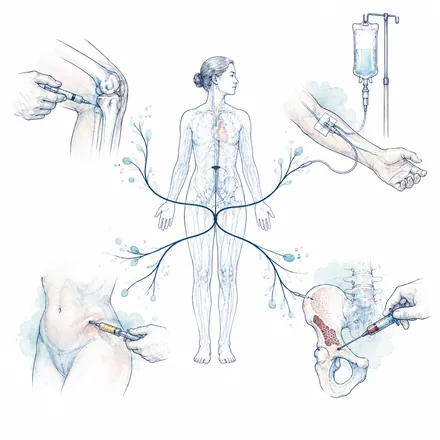
Use a Different Plan for Each Procedure
| Procedure | Medication Issues to Check |
|---|---|
| Joint injection | Anticoagulants, antiplatelet drugs, NSAIDs, recent steroid injections, infection |
| IV infusion | Active infection, heart disease, allergies, immune-suppressing drugs |
| Fat harvesting | Bleeding, anticoagulants, diabetes drugs, wound healing, sedation |
| Bone marrow aspiration | Anticoagulants, platelet problems, bleeding history, local anesthesia |
| Surgery or deep sedation | Anticoagulants, diabetes drugs, GLP-1 drugs, SGLT2 inhibitors, heart medicines |
Some autologous treatments use two separate dates. Tissue may be collected first, then processed or cultured, with the cells given back later. In that situation, the medication plan for the collection day may not be the same as the plan for the later injection or infusion.
If your treatment uses your own cells rather than donor cells, the collection step itself can create extra medication issues. The autologous vs. allogeneic stem cell guide explains the practical differences between these treatment routes.
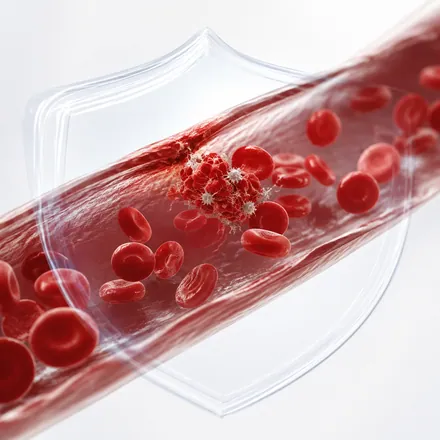
If You Take Blood Thinners
Warfarin, apixaban, rivaroxaban, dabigatran and edoxaban are common anticoagulants.
The useful question is not simply, “How many days should I stop my blood thinner?” The clinic first needs to know:
- the exact drug;
- the dose;
- why you take it;
- when you last took it;
- whether you have kidney disease;
- whether you have atrial fibrillation or a mechanical heart valve;
- and when any previous DVT, pulmonary embolism, or stroke occurred.
Warfarin is handled differently from direct oral anticoagulants such as apixaban. CHEST guidelines use different recommendations depending on the anticoagulant, the procedure, bleeding risk, and the reason the patient needs anticoagulation.[1]
Do not automatically use heparin when an anticoagulant is stopped. This temporary replacement is called bridging. CHEST recommends against routine bridging in several common situations because it can increase bleeding without giving every patient a clear benefit.[1]
The timing of a previous blood clot matters too. A clot from a few months ago is not the same as one from many years ago, so give the actual date rather than writing only “history of blood clot.”
If You Take Aspirin or Clopidogrel
Aspirin, clopidogrel, prasugrel and ticagrelor reduce platelet activity.
Human platelets normally circulate for about 7–10 days.[2] That is one reason generic pre-surgery instructions often mention a 7-day aspirin window. It does not mean every patient should stop aspirin for 7 days.
CHEST generally suggests continuing aspirin for many elective non-cardiac surgeries rather than routinely stopping it. The final decision can still change with the patient’s cardiovascular risk and the bleeding risk of the procedure.[1]
If aspirin or clopidogrel was prescribed after a coronary stent, give the clinic:
- the date the stent was placed;
- the reason for the stent;
- all antiplatelet drugs you currently take;
- and your cardiologist’s details.
Do not stop antiplatelet treatment after a coronary stent just because a generic clinic sheet says to stop “blood thinners.”
If You Take NSAIDs
NSAIDs include ibuprofen, naproxen, diclofenac and celecoxib.
When a clinic asks you to stop an NSAID, find out exactly why:
- Is the concern bleeding?
- Or is avoiding NSAIDs part of that clinic’s regenerative medicine protocol?
Those are not the same issue. There is no universal clinical rule saying every NSAID must be stopped for the same number of days before every stem cell procedure. There is also no general rule proving that taking an NSAID makes every stem cell treatment fail.
If you use an NSAID regularly for chronic pain, ask what you can take instead. This matters even more if you have kidney disease, liver disease, stomach ulcers, or other medication limits. For condition-specific context, see the chronic pain evidence guide.
If You Take Steroids
If you take prednisone, prednisolone, methylprednisolone, dexamethasone, or another systemic steroid, the clinic needs both the dose and how long you have been using it.
The 2024 Endocrine Society and European Society of Endocrinology guideline gives two useful thresholds for possible adrenal suppression:
- steroid treatment lasting about 3–4 weeks or longer; and
- a daily dose above about 4–6 mg of prednisone or prednisolone equivalent.
Both duration and dose matter.[3]
These are risk thresholds, not instructions to stop the drug. A patient taking prednisone 5 mg every day for several months should report it to the medical team, not stop it independently before treatment.
Recent steroid injections count as useful medical history too. The same guideline advises clinicians to consider possible adrenal suppression in patients who received an intra-articular steroid injection within the previous 2 months.[3]
Include inhaled steroids and strong steroid creams as well, particularly if you use more than one type of steroid treatment.
If You Take Immune-Suppressing Drugs
Methotrexate, tacrolimus, cyclosporine, mycophenolate, JAK inhibitors, TNF inhibitors and other biologic medicines all need to be reported.
There are two risks to balance:
- continuing the drug may increase infection or procedure-related risk;
- stopping it may cause rheumatoid arthritis, inflammatory bowel disease, lupus, psoriasis, or another condition to flare.
If your medicine is taken weekly, monthly, or every several months, give the date of your last dose. Do not move or skip a biologic dose just to fit a treatment date unless the specialist who prescribed it agrees.
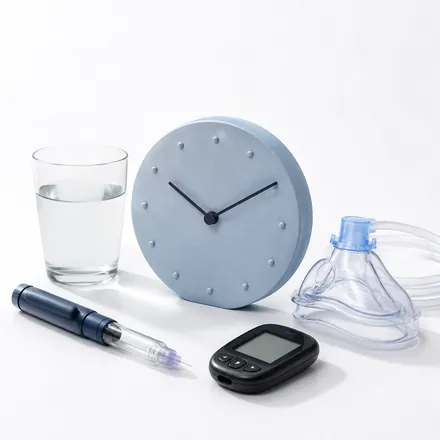
If You Take Diabetes or Weight-Loss Drugs
Insulin: What you do on treatment day depends on the type of insulin, whether you need to fast, the procedure time, and your normal glucose readings. If you use an insulin pump or continuous glucose monitor, tell the clinic.
SGLT2 inhibitors: These include empagliflozin, dapagliflozin, canagliflozin and ertugliflozin. They may be prescribed for diabetes, heart failure, or kidney disease.
For scheduled surgery, the 2024 AHA/ACC guideline recommends stopping canagliflozin, dapagliflozin, and empagliflozin at least 3 days before surgery and ertugliflozin at least 4 days before surgery because of the risk of perioperative metabolic acidosis and ketoacidosis.[4]
Do not apply this 3–4 day surgical rule automatically to a simple joint injection or IV infusion.
GLP-1 and related GIP/GLP-1 drugs: These include semaglutide, liraglutide, dulaglutide and tirzepatide. Common brands include Ozempic, Wegovy, Trulicity, Mounjaro and Zepbound.
These drugs can slow stomach emptying. That becomes important mainly when deep sedation or general anesthesia is used. Current multi-society guidance says most patients can continue GLP-1 treatment before an elective procedure, while people at higher risk need an individual plan.[5]
Tell the anesthesia team if:
- you recently started the medicine;
- your dose is being increased;
- you have nausea, vomiting, constipation, stomach pain, or significant bloating;
- or you have another condition that slows stomach emptying.
The dose-increase phase commonly lasts about 4–8 weeks. For some higher-risk patients, current guidance may use a 24-hour liquid-only diet before surgery rather than automatically stopping the drug.[5]
If you are looking at regenerative treatment specifically for diabetes, keep your usual diabetes medication plan separate from claims about cell-based treatment. The diabetes treatment guide reviews those treatment categories separately.
If You Take Other Regular Medicines
Heart medicines: Do not treat beta blockers, blood-pressure drugs, rhythm medicines, diuretics, or heart-failure drugs as one group. Tell the clinic about new chest pain, worsening heart failure, fainting, a recent heart attack, or a coronary stent.
Antibiotics: The infection is often more important than the antibiotic itself. Pneumonia, a urinary infection, dental abscess, infected wound, or another active infection may be a reason to delay an elective procedure. Do not stop an antibiotic early just to keep the appointment.
Anti-seizure medicines: Missing doses can increase seizure risk. If you need to fast, ask which essential medicines should still be taken with a small amount of water.
Psychiatric medicines: Some antidepressants, benzodiazepines, sleeping medicines, mood stabilizers, and antipsychotic drugs can cause withdrawal symptoms if stopped suddenly. They can also affect sedation or anesthesia planning.
Cancer medicines: Chemotherapy, immunotherapy, targeted therapy, and hormone treatment should not be interrupted by a regenerative medicine provider without coordination with the oncology team.
Include Supplements
Write down the actual supplement rather than listing only “vitamins” or “herbal medicine.”
For each product, provide:
- exact product name;
- ingredient list;
- dose;
- how often you take it;
- and when you last used it if relevant.
This includes fish oil, turmeric or curcumin products, herbal mixtures, sleep products, bodybuilding supplements, and high-dose vitamins.
If the label has many ingredients, send a clear photo. Not every supplement causes bleeding or anesthesia problems, but the clinic cannot assess a product if it does not know what is in it.
Do Not Copy a Generic Stop Schedule
Instructions such as “stop all blood thinners for 3 days” or “stop aspirin for 7 days” should not be used unless a clinician has confirmed that they apply to your drug and your procedure.
The timing can change with:
- the exact drug;
- dose;
- kidney function;
- reason for treatment;
- bleeding risk;
- and the procedure being performed.
For every medicine that will be temporarily stopped, keep these 3 times in writing:
| Time | What to Record |
|---|---|
| Last dose | Exact date and time |
| Procedure | Date and time of collection, injection, infusion, or surgery |
| Restart | Exact date and time of the first dose after treatment |

Send These 6 Details Before You Travel
| Information | Example |
|---|---|
| Drug name | Apixaban (Eliquis) |
| Dose | 5 mg |
| Frequency | Twice daily |
| Reason | Atrial fibrillation |
| Last dose | August 20, 8:00 PM |
| Prescribing doctor | Cardiologist |
Use both the generic and brand name where possible because brand names differ between countries.
Also give exact dates for major medical events such as:
- coronary stent;
- heart attack;
- stroke;
- DVT or pulmonary embolism;
- major bleeding;
- recent infection;
- recent surgery;
- and recent steroid injection.
“Pulmonary embolism 4 months ago, currently taking apixaban” gives the clinic much more useful information than “history of blood clot.”
Check the Exact Japan Treatment Plan
Do not treat the phrase “approved in Japan” as enough information.
Japan has separate regulatory routes. The Act on the Safety of Regenerative Medicine covers certain regenerative medicine provided by medical institutions, while the PMD Act regulates regenerative medical products such as processed cell products and gene therapies.[6]
A treatment plan filed under Japan’s Safety Act is therefore not the same as PMDA marketing approval of a regenerative medical product. The Japan regenerative medicine registration and compliance guide explains how to check which route applies.
Ask for the explanation and consent document for the exact treatment you are considering. Japan’s Ministry of Health, Labour and Welfare publishes regenerative medicine provision-plan records and instructs patients to review the treatment explanation and consent information before deciding on treatment.[7]
Check the document for:
- medication restrictions;
- bleeding risks;
- active infection exclusions;
- anesthesia;
- cell or tissue collection;
- kidney or liver requirements;
- and other eligibility criteria.
The stem cell therapy indications and contraindications guide provides more detail on how these criteria can differ by treatment.
Check Whether Your Medicine Can Enter Japan
Uncertainty about Japan’s import rules is not a reason to stop an essential medicine.
Under current Japanese Ministry of Health, Labour and Welfare rules, a traveler can generally bring an ordinary prescription medicine for personal use without an Import Confirmation when the quantity is no more than a 1-month supply, provided the medicine is not prohibited or subject to separate controlled-drug rules.[8]
If you need more than one month’s supply, check whether an Import Confirmation is required before travel.
Controlled medicines have different rules:
- Adderall: amphetamine cannot be imported into Japan for personal treatment.
- Vyvanse: lisdexamfetamine is a stimulant raw material and requires advance permission.
- Morphine, fentanyl and oxycodone: these are examples of narcotics requiring advance permission.
- Some psychotropic medicines: permission may not be required when the amount stays within Japan’s stated limit and the medicine is not in injection form.
Japan’s Narcotics Control Department advises travelers who require advance permission for narcotics or stimulant raw materials to apply at least 14 days before travel.[9]
Check the active ingredient, not just the brand name.
Carry the medicine in its original labeled packaging when possible. For additional travel preparation, see the medical travel guide for stem cell treatment in Japan.
Delay Treatment if Any of These Apply
- active pneumonia, urinary infection, dental abscess, wound infection, or another significant infection;
- new or worsening chest pain;
- unstable heart failure or serious new heart symptoms;
- recent stroke;
- recent DVT or pulmonary embolism;
- active major bleeding;
- poorly controlled blood glucose;
- or another important medical problem that has recently become unstable.
In these situations, changing medication just to keep an elective stem cell treatment date may create more risk than postponing the procedure.
Get Answers to These 9 Questions
- What exact procedure am I having?
- Will you collect fat, bone marrow, or another tissue?
- Will collection and cell administration happen on different dates?
- Will I fast or receive sedation or general anesthesia?
- Which of my medicines must change, and what is the medical reason?
- What is the exact date and time of my last dose?
- What is the exact date and time of my restart dose?
- Does my prescribing specialist need to approve the change?
- What should I do if I accidentally take a medicine I was told to hold?
Finally
Do not use one stop-medication rule for every stem cell procedure. A useful plan identifies the exact drug, procedure, reason for treatment, and restart time. The most important practical numbers are specific: SGLT2 inhibitors are generally held 3–4 days before scheduled surgery, long-term steroid risk becomes more relevant after about 3–4 weeks above roughly 4–6 mg prednisone equivalent per day, and ordinary prescription medicine can generally enter Japan without an Import Confirmation up to a 1-month supply. Before treatment, send the clinic 6 medication details and get the last dose and restart dose in writing.
Medical Disclaimer
This article provides general medical information and does not give an individual medication-stop schedule. Do not stop, restart, or change prescription medication based only on online information. Medication decisions should be made by clinicians who know your medical history, current medicines, kidney and liver function, and the exact procedure you are having.
Where treatment is provided
GINZA NOA CLINIC, Ginza, Tokyo
This article was written and medically reviewed at GINZA NOA CLINIC. The photographs below were taken inside the clinic in Chuo-ku, Tokyo.



Royal Crystal Ginza 3F, 5-4-6 Ginza, Chuo-ku, Tokyo 104-0061
3 min from Tokyo Metro Ginza Station (Exit B6); 5 min from JR Yurakucho Station
In-house CPC, facility number FC3250034
WhatsApp +81-8070161366 · LINE +81-8075357788
Medically reviewed by Ryosuke Tanabe, MD (Director, GINZA NOA CLINIC) with Kotaro Yoshimura, MD, PhD (Professor of Plastic Surgery, Jichi Medical University) as technical advisor. Last reviewed 30 September 2026. Every treatment carries risks — ask what they mean for your case at the consultation. Registration and credentials · How we review content