
Yes. In many cases, you can speak with a medical provider in Japan before sending your full medical file. You usually do not need to collect, translate, and upload years of records just to find out whether your case is worth reviewing.
For a first look, give the doctor the basics: your diagnosis, your main symptoms, treatments you have already tried, medicines you currently take, major health problems, and the date of your latest important tests or scans.
If the doctor thinks the treatment may be relevant to you, the clinic can then tell you which records it actually needs. Final eligibility may still require MRI or CT images, blood tests, specialist reports, an examination in Japan, or other testing. You can see how these steps may fit together in the stem cell treatment process in Japan.

Start With a Short Medical Summary
A one-page summary is usually more useful than sending a folder full of documents with no explanation. Keep it simple and factual.
- your age;
- your confirmed diagnosis;
- when you were diagnosed;
- which doctor or hospital made the diagnosis;
- your main symptoms;
- whether your condition is stable, improving, or getting worse;
- how it affects walking, work, sleep, self-care, or other daily activities;
- treatments you have already tried;
- whether those treatments helped;
- major operations or hospital stays;
- other medical conditions that may affect treatment;
- current prescription medicines;
- supplements that may affect bleeding, anesthesia, or immune function;
- drug allergies;
- the date of your latest MRI, CT, X-ray, blood tests, or other important examination; and
- what you hope the treatment will improve.
For example:
62-year-old male with right knee osteoarthritis diagnosed five years ago. Pain has become worse over the past 18 months. Physical therapy and corticosteroid injections helped for a while, but the effect did not last. No previous knee surgery. I take medication for high blood pressure and occasionally use NSAIDs. My latest MRI was six months ago. My main goal is to reduce pain while walking and find out whether knee replacement could reasonably be delayed.
If the doctor needs more detail, you may only be asked for a few key records, such as a recent specialist report, recent imaging, laboratory results, your medication list, previous procedure records, or pathology and operation reports.
For MRI and CT scans, ask whether the doctor needs only the written radiology report or the original DICOM image files too. Those are not the same thing.

What Can Be Decided During the First Consultation?
The first call can answer some practical questions straight away:
- Does the clinic actually treat patients with your diagnosis?
- What treatment are they considering for you?
- What cells or product would be used?
- Would the cells come from your own body or from a donor?
- Would tissue need to be collected?
- Would the cells be cultured or processed?
- How would the treatment be given?
- Which records does the doctor need before making a decision?
- Would you need more tests after arriving in Japan?
- Would you need one trip or several?
What the doctor usually cannot do from a short call is make every final medical decision. Your diagnosis and disease stage may need to be checked again. Your medicines, infection risk, cancer history, heart or lung condition, kidney or liver function, and bleeding risk may also affect the plan.
The doctor should also consider whether a standard treatment makes more sense for you. A treatment may be technically possible but still not be the best choice.
So if the first conversation goes well, take it to mean, “this case is worth reviewing further.” It does not necessarily mean that treatment has been approved for you.
Make Sure a Doctor Is Actually Reviewing Your Case
A coordinator can be extremely helpful, but a coordinator and a physician do different jobs.
- Coordinator: usually helps with documents, appointments, prices, translation, and travel.
- Interpreter: helps you and the medical team understand each other.
- Nurse: can help with clinical information and patient care.
- Physician: reviews the diagnosis, weighs medical risks, and decides whether a treatment is appropriate.
Before you rely on an initial opinion, ask who is actually making the medical decision:
- Will a physician personally review my records?
- Is that physician the person who decides whether I qualify?
- Will that physician also be involved in my treatment?
- Does the physician regularly treat patients with my condition?
- If another specialist is needed, who will review my case?
This is also worth checking when you are choosing a stem cell hospital in Japan. Seeing a doctor’s photo or name on a website does not tell you who will actually review your case.
Know the Limits of an Online Consultation
Japan’s Ministry of Health, Labour and Welfare notes that a doctor gets less information from an online consultation than from an in-person examination. A doctor cannot, for example, palpate an area, directly test certain physical signs, or carry out the same examination that would be possible in a clinic. The doctor therefore has to decide whether remote care is appropriate for the situation.[1]
There is another issue if you are sitting outside Japan during the consultation. MHLW guidance says Japanese rules still apply to medical acts performed by a doctor at a Japanese medical institution. At the same time, the laws in the country where the patient is physically located may also matter.[2]
When arranging the call, ask exactly what kind of consultation it is:
- Is this only a general information session, or will I receive an individual medical opinion?
- Will a doctor look at my information before the call?
- Can the doctor make any treatment decision remotely?
- Which decisions must wait until I am examined in Japan?
- Which tests will have to be repeated after I arrive?
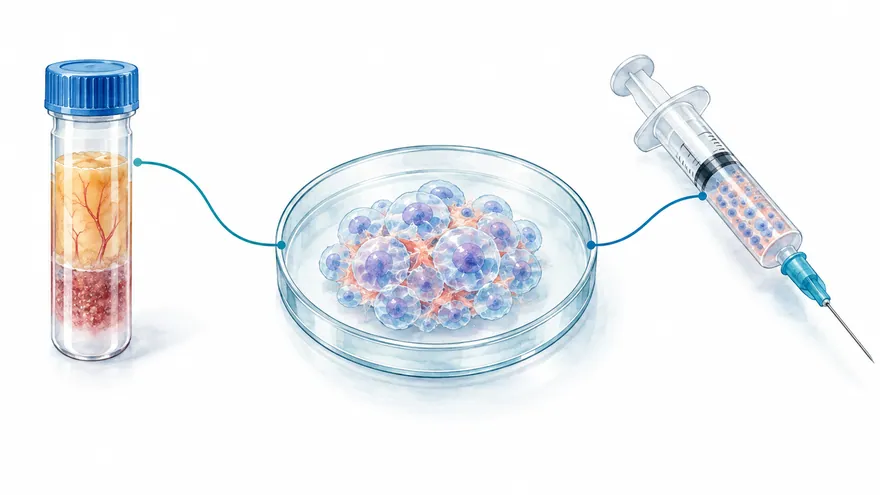
Ask for the Exact Treatment Name
“Stem cell therapy” is too broad a description. You should know what is actually being proposed.
- the exact cell or product name;
- where the cells or tissue come from;
- whether the cells are autologous or allogeneic;
- whether they are cultured or expanded;
- the planned dose or cell quantity, if one is specified;
- the number of treatments;
- how the treatment will be administered; and
- whether medicines, surgery, anesthesia, or immunosuppression are part of the procedure.
Not everything marketed under “regenerative medicine” is stem cell treatment. PRP, for example, is not stem cell therapy. Immune-cell therapy is also a separate category unless stem cells are actually involved.
Japan’s regenerative medicine field covers several kinds of cell, tissue, and gene-based treatments. The regenerative medicine overview explains how those categories differ.
Autologous means the cells come from your own body. Allogeneic means they come from another person or donor source. One is not automatically safer or more effective than the other. What matters is the actual product, the condition being treated, how the cells are processed, and how they are given. See the comparison of autologous and allogeneic stem cells for more detail.
If Your Cells Will Be Cultured or Processed
If tissue is collected and the cells are processed before treatment, ask what happens between collection day and treatment day.
- Collection: What tissue is taken, how much is taken, and how is it collected?
- Processing: Where are the cells isolated, cultured, expanded, stored, or prepared?
- Release: Which tests must the final preparation pass before it can be given to you?
- Failure: What happens if the preparation cannot be used?
It is also worth asking how long processing usually takes, how your sample is identified, how storage and transport are controlled, and who has the final authority to release the cells for treatment.
The processing site may be inside the medical institution or may be a separate facility. The CPC cell processing center guide explains what these facilities do.
A well-run cell-processing facility matters for quality control. It is not, by itself, evidence that the treatment will improve your condition.

Why Eligibility Can Change
Doctors usually have to answer four different questions before they can recommend treatment:
- Diagnosis: Is the diagnosis correct, and how advanced is the condition?
- Safety: Is there anything that makes the procedure unsafe or means it should be delayed?
- Other options: Is there an established treatment that should be tried first?
- Likely benefit: Is the possible benefit large enough to justify the burden, risk, and cost?
Things that can affect the answer include:
- an active or uncontrolled infection;
- unstable heart or lung disease;
- an acute neurological problem;
- bleeding or clotting problems;
- poor kidney or liver function;
- immune-system problems;
- current or previous cancer;
- pregnancy, where relevant;
- recent surgery;
- medicines that affect bleeding or immune function;
- being unable to complete required rehabilitation or follow-up; and
- a condition that is too early, too advanced, or outside the clinic’s treatment criteria.
These are examples, not universal exclusion rules. The actual criteria depend on the treatment being offered. The stem cell indication and contraindication guide looks at this in more detail.
After the doctor reviews your information, the answer may be simple, or it may be somewhere in the middle:
- Eligible: the doctor has enough information and believes treatment is reasonable.
- More information needed: more scans, blood tests, or reports are required.
- Deferred: another health problem needs to be treated or stabilized first.
- Another treatment makes more sense: the doctor recommends a different approach.
- Not recommended: the expected benefit, evidence, risk, or disease stage does not support treatment.
Look at Evidence That Actually Matches Your Case
A clinic may show you a study or quote a success rate. The first question is whether that evidence resembles the treatment you are being offered.
At a minimum, compare:
- the disease;
- the disease stage;
- the cells or product; and
- the route of administration.
Then look more closely at the study itself:
- How many patients were treated?
- What dose was used?
- How many treatments were given?
- Was there a control or comparison group?
- What result was measured?
- How large was the change?
- How long were patients followed?
- How many patients disappeared from follow-up?
- What side effects or complications occurred?
A study of an injection into a joint does not show that an intravenous infusion works. Results from one cell type cannot simply be carried over to another cell type. Animal and laboratory studies can be useful early evidence, but they do not prove that people will receive the same benefit.
The International Society for Stem Cell Research recommends checking the exact cells, available scientific evidence, risks, alternatives, physician experience, oversight, costs, and follow-up before agreeing to a stem cell intervention.[3]
Also pay attention to outcomes that matter in real life. If your pain improves, you walk farther, take less medication, stay out of hospital, or function better day to day, that matters. A nicer-looking MRI or a change in a laboratory marker may be interesting, but it is not the same thing as feeling or functioning better.
Be Careful With Success Rates
Imagine a clinic treated 200 patients but only collected proper follow-up from 60 of them. A success rate based on those 60 patients does not tell you what happened to everyone else.
Whenever a clinic gives you a percentage, ask:
- How many patients actually received the treatment?
- How many were included in the final analysis?
- How many were lost to follow-up?
- What counted as “success”?
- Who measured the result?
- When was the result measured?
“Patient satisfaction,” “less pain,” “better imaging,” and “avoiding surgery” describe different things. A single success percentage should not blur those differences.
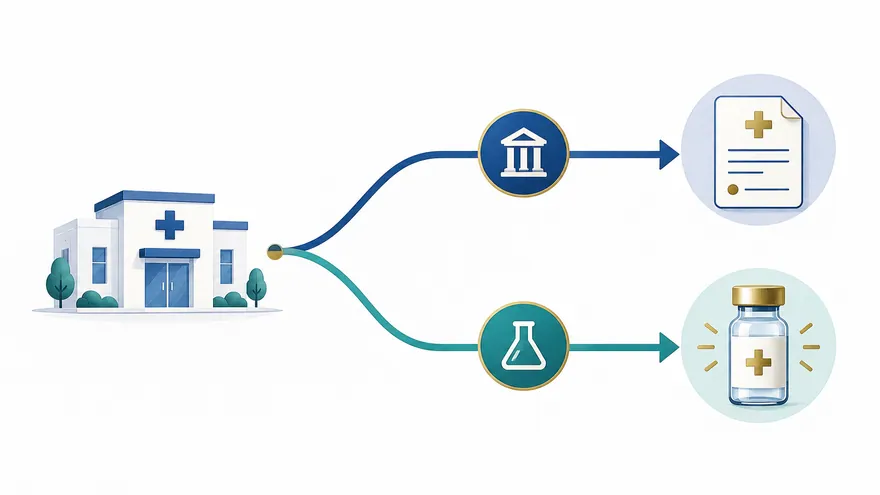
Japan Has Two Main Regulatory Routes
For international patients, it is important not to mix up two different systems:
- Regenerative medicine provided by medical institutions under the Act on the Safety of Regenerative Medicine.
- Regenerative medical products approved for marketing under the Pharmaceuticals and Medical Devices Act, usually called the PMD Act.
Medical institutions providing regenerative medicine covered by the Safety Act have to follow the procedures required under that framework before treatment is offered.[4]
Changes to the law took effect on May 31, 2025. Among other things, the revised system brought certain in-vivo gene therapies within the law and required regenerative medicine provision plans to state how scientific validity would be evaluated.[5]
That requirement is important, but it should not be confused with proof from a controlled clinical trial. A treatment can be handled under the Safety Act without being an approved regenerative medical product under the PMD Act.
The Japan regenerative medicine registration and compliance guide explains the difference between a provision plan, product approval, and the public records available in Japan.
Japan Uses Three Risk Classes
Regenerative medicine covered by the Safety Act is divided into three risk categories:
- Class I: higher regulatory risk;
- Class II: medium regulatory risk;
- Class III: lower regulatory risk.
The review and submission requirements are not identical for all three classes.[6]
These classes describe regulatory risk. They are not effectiveness scores. Class II does not mean “Level 2 proven,” and Class III does not mean the treatment has better evidence or a higher success rate.
What the 2026 PMDA Product Count Actually Shows
A PMDA presentation dated May 20, 2026 showed 28 historical approvals for regenerative medical products. Two products had been withdrawn or had expired, leaving 26 products in the current breakdown shown in that presentation.[7]
Those 26 products were not 26 interchangeable stem cell treatments. PMDA divided them into:
- 15 cell/tissue-based products — 57.7%;
- 6 in-vivo gene therapy products — 23.1%;
- 5 ex-vivo gene therapy products — 19.2%.
They were developed for different conditions and uses. Approval of one regenerative product for one disease does not provide evidence for a different cell product used for another disease.[7]
Ask What “Approved in Japan” Really Means
PMDA carries out the scientific and technical review of products, while Japan’s Ministry of Health, Labour and Welfare is the final authorization authority in the approval process.[7]
If someone tells you a treatment is “approved in Japan,” ask them to be specific:
- Are they talking about a named regenerative medical product approved under the PMD Act, or a treatment being provided under a regenerative medicine provision plan?
- If it is an approved product, is your disease and proposed use actually included in that approval?
Ask for the exact product name, the approved condition, the route of administration, and any conditions attached to its use.
Japan also has a conditional and time-limited approval route for qualifying regenerative medical products. The approval period can be set for up to seven years, and further data collection may be required during that period.[8]
In other words, conditional approval should not be read as a guarantee that every long-term effectiveness question has already been settled.
Check the Public Record
MHLW operates a public system that lists regenerative medicine provision plans filed by medical institutions. Depending on the record, you may be able to see the institution, treatment name, reviewing committee, and patient explanation or consent documents. MHLW also tells patients to read the explanation documents and speak with the doctor before deciding whether to proceed.[9]
When you find a record, compare it with what the clinic has offered you:
- medical institution name;
- treatment name;
- disease or treatment purpose;
- cell or product used;
- administration method; and
- reviewing committee.
Do not stop once you find the clinic’s name. One institution can have more than one provision plan, so make sure you are looking at the plan that matches your treatment.
Before paying a large amount, read the consent document. Look for the expected benefit, known risks, unknown risks, alternatives, cell collection and processing details, number of treatments, fees, cancellation rules, follow-up requirements, and what happens if treatment cannot go ahead.
If the website says one thing, the coordinator says another, and the consent form says something else, do not guess which version is correct. Ask the clinic to resolve the difference in writing.
Break the Risks Down by What Actually Happens
It is easier to understand risk when you follow the treatment from start to finish.
- Collection: bleeding, infection, pain, anesthesia, or injury when tissue or cells are taken.
- Processing: problems with handling, culture, storage, contamination, or release testing.
- Administration: risks from an injection, infusion, surgery, anesthesia, or the route used to deliver the treatment.
- Your own health: risks related to your existing illness, medicines, organ function, immune status, or cancer history.
- Travel and delay: problems caused by postponing established treatment or developing a complication after you have returned home.
Cells taken from your own body are not automatically risk-free. The real risk depends on what is collected, what happens to the cells afterward, and how they are put back into the body. The stem cell safety guide for Japan looks at these risks separately.
Do not stop anticoagulants, antiplatelet medicines, steroids, immune medicines, or any other prescribed drug unless the doctor responsible for your care tells you to do so.
Get the Full Price, Not Just the Headline Price
Ask for an itemized quote. Otherwise, a treatment that looks affordable at first can become much more expensive once tests, processing, and follow-up are added.
Ask whether the quoted price includes:
- medical consultation;
- record review;
- blood tests;
- imaging;
- cell or tissue collection;
- cell processing;
- quality testing;
- storage;
- anesthesia or sedation;
- treatment administration;
- medicines;
- facility charges;
- interpretation;
- follow-up; and
- care for treatment-related complications.
The site’s August 2026 stem cell treatment cost review for Japan found published provider course prices ranging from about ¥1.65 million to ¥5.94 million. That is a collected range from provider pricing, not an official national price and not a quote for any individual patient.
Ask What Happens if Cell Processing Fails
If your own cells need to be collected and processed, there is always a practical question that people sometimes forget to ask: what happens if the process does not go as planned?
Problems may include:
- too little tissue or too few cells being collected;
- the cell yield being lower than expected;
- the final preparation failing quality or release testing; or
- processing taking longer than expected and the treatment date being missed.
For each possibility, ask what happens next. Would you need another collection? Another trip to Japan? Another processing fee? Which charges would still apply, and which would be refunded?
Refund rules also matter if the doctor rejects treatment after reviewing your records, if tests in Japan show that treatment should not proceed, if you become ill before treatment, or if the treatment plan changes after the consent discussion.
Translation and Sending Medical Records
Before paying to translate a large medical file into Japanese, ask whether the doctor accepts records in English. Some clinics do.
Ask:
- Which documents actually need translation?
- Does the translation need to be done by a professional?
- Does the doctor need the original scan files or only the written report?
- How should large DICOM files be uploaded?
- Who can see my records?
- Will my records be shared with a separate cell-processing facility?
- How long will the records be stored?
- What happens to them if I decide not to proceed?
Japan’s Personal Information Protection Commission states that medical information collected during diagnosis and treatment, including health status, medical records, treatment details, and medication history, can fall within specially protected sensitive personal information.[10]
Machine translation may be fine for simple scheduling or administrative messages. Diagnoses, pathology findings, medicine names, procedures, and treatment dates deserve more care. A small translation mistake in those areas can change the medical meaning.

Consider an Independent Second Opinion
If the treatment is expensive, invasive, experimental, or the evidence is uncertain, show the actual proposal to a doctor who is not connected with the clinic offering it.
Give that doctor the same details you were given:
- the exact product or cell type;
- cell source;
- dose, if available;
- route of administration;
- number of treatments;
- your diagnosis and disease stage;
- the research supplied by the provider;
- the consent document; and
- your relevant medical records.
A particularly useful question is:
“What established treatment or medical opportunity could I lose or delay if I choose this treatment?”
ISSCR recommends independent medical advice for patients considering unproven stem cell interventions and warns against rushed decisions or financial pressure.[3]
Before You Book the Trip
Do not book expensive, non-refundable travel while major medical questions are still open.
Make sure you know:
- which records the physician has already reviewed;
- whether your eligibility is final or only preliminary;
- which tests still need to be done in Japan;
- your confirmed treatment dates;
- whether collection and treatment happen on the same trip;
- how long you need to stay in Japan;
- when the treating doctor thinks it is safe to take a long-haul flight home; and
- what happens if the treatment is cancelled or delayed.
The medical travel guide for stem cell treatment in Japan covers treatment timing, records, translation, accommodation, follow-up, and planning the trip home.
Read your travel insurance policy as well. Ordinary travel insurance should not be assumed to cover planned overseas medical treatment, experimental procedures, pre-existing conditions, or complications caused by elective treatment.
Ask for Records Before You Go Home
Before leaving Japan, ask for an English treatment summary. Ideally, it should include:
- the exact treatment or product name;
- cell type;
- cell source;
- collection date;
- treatment date;
- route of administration;
- dose or cell quantity;
- batch or product identification, if available;
- medicines given during treatment;
- any immediate side effects or complications;
- warning symptoms to watch for;
- follow-up dates;
- tests that need to be repeated; and
- contact details for the treating medical team.
If you develop a problem after returning home, your local doctor should be able to see exactly what was done. They should not have to guess which cells, dose, product, or procedure you received.
Warning Signs to Take Seriously
- You are accepted immediately. A clinic tells you that you qualify before a physician has reviewed useful medical information.
- Results are guaranteed. Someone promises a specific improvement before your disease stage and medical risks have been assessed.
- The same treatment is sold for many unrelated diseases. Broad claims are made without disease-specific human evidence.
- Nobody can clearly name the treatment. You cannot get a clear answer about the cells, source, processing method, dose, or route.
- “Government approved” is used without explanation. The provider cannot tell you whether it means a provision plan or an approved product.
- An approved product is being used as proof for a different condition. The approved disease or use does not match what is being offered to you.
- The public record does not match the offer. The institution, disease, treatment, or cell preparation is different from the official record.
- Testimonials replace medical evidence. Patient stories are used instead of relevant clinical data.
- Almost nobody is turned away. The clinic cannot explain who should not receive the treatment.
- The treatment plan is fixed before the doctor reviews you. The dose and number of treatments have already been decided before your case is assessed.
- Cell processing is a black box. Nobody can tell you where the cells are processed or how they are cleared for use.
- A large non-refundable payment is requested too early. Important medical questions are still unanswered.
- There is no clear follow-up plan. Nobody can explain who will help if you develop a complication after returning home.
Questions Worth Asking Before You Pay
- What exactly am I receiving? Ask for the cells or product, dose, route, number of treatments, and procedure.
- Has the responsible physician reviewed enough information to make a real eligibility decision?
- What human evidence matches my disease, disease stage, product, and treatment route?
- Is this treatment being provided under a regenerative medicine provision plan, or is it an approved regenerative medical product? If it is approved, does that approval cover my condition?
- What result are we hoping to improve, how will it be measured, and how long will I be followed?
- What happens if collection, processing, testing, or treatment cannot go ahead?
- What will I actually pay from start to finish? Include tests, processing, treatment, medically required travel changes, and follow-up.
- Who will manage follow-up and complications once I am back home?
You do not need to hand over your entire medical history before anyone will talk to you. A short, clear medical summary is often enough to start the conversation. From there, the doctor can tell you what records are missing and whether further review makes sense.
The important part is not getting a quick “yes.” It is knowing exactly what treatment is being offered, who has reviewed your case, what evidence supports it, how it is regulated, what it will cost, and what happens if things do not go according to plan.
This article provides general medical information and does not replace diagnosis or an individual treatment decision by a licensed physician.
Where treatment is provided
GINZA NOA CLINIC, Ginza, Tokyo
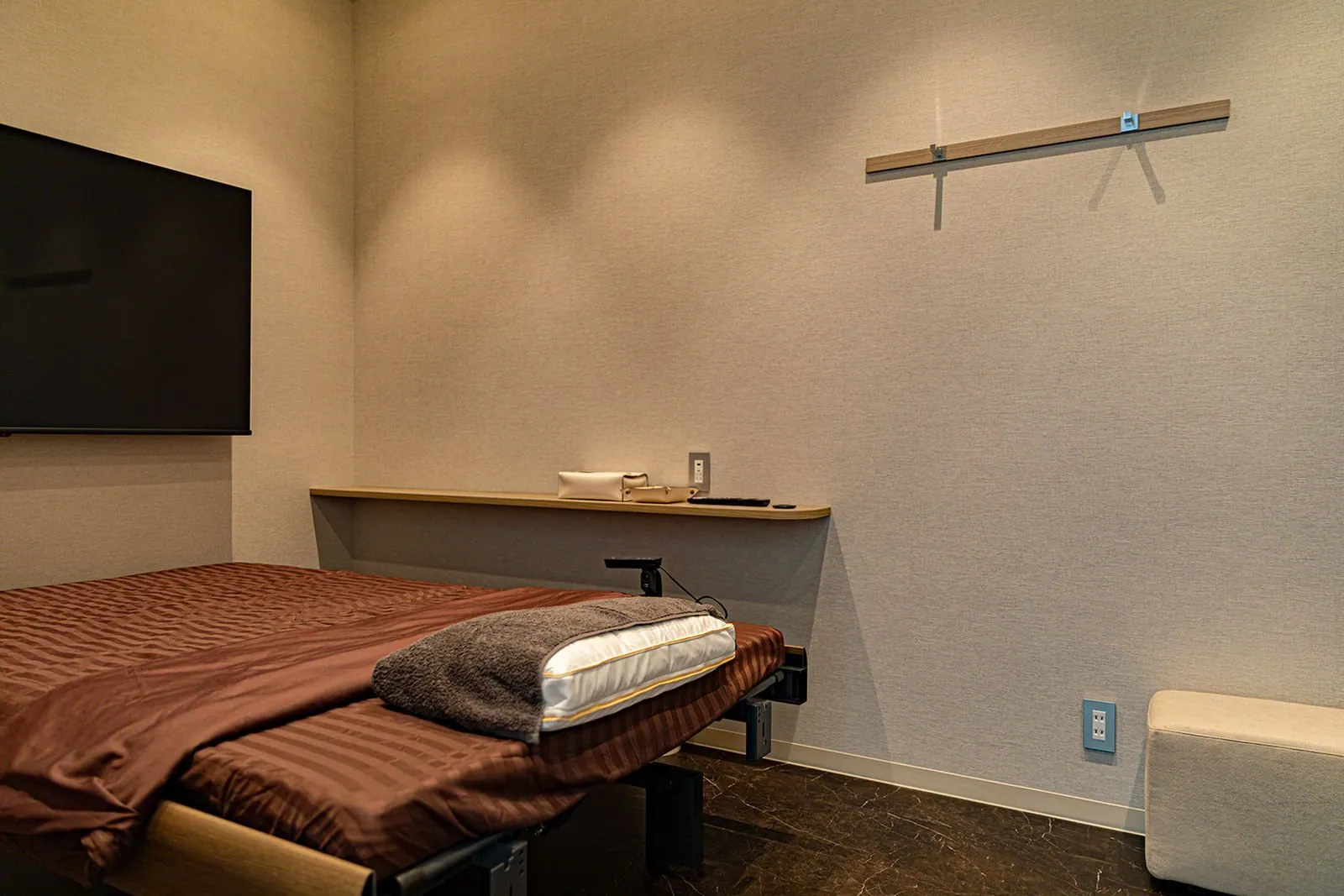
This article was written and medically reviewed at GINZA NOA CLINIC. The photographs below were taken inside the clinic in Chuo-ku, Tokyo.


Royal Crystal Ginza 3F, 5-4-6 Ginza, Chuo-ku, Tokyo 104-0061
3 min from Tokyo Metro Ginza Station (Exit B6); 5 min from JR Yurakucho Station
In-house CPC, facility number FC3250034
WhatsApp +81-8070161366 · LINE +81-8075357788
Medically reviewed by Ryosuke Tanabe, MD (Director, GINZA NOA CLINIC) with Kotaro Yoshimura, MD, PhD (Professor of Plastic Surgery, Jichi Medical University) as technical advisor. Last reviewed 30 September 2026. Every treatment carries risks — ask what they mean for your case at the consultation. Registration and credentials · How we review content