
There is currently no FDA-approved stem cell product for ALS. If you are looking at treatment in another country, check the exact product and its regulatory status there. Simply being available does not mean it works.[2]
What Do the Trial Numbers Actually Mean?
In the phase 3 NurOwn study, participants received three injections of the cell product or placebo into the fluid around the spinal cord. At 28 weeks, the main comparison was not statistically significant (P = 0.45).[3]
| Measure | Published result | Meaning for patients |
|---|---|---|
| Treatment-group response | 33% | This is not your proven chance of benefiting. |
| Placebo-group response | 28% | Participants could meet the response definition without receiving the cells. |
| Absolute difference | 5 percentage points | The trial did not establish that the difference reflected a treatment benefit. |
“Response” did not mean recovery from ALS. It meant that functional decline slowed by a defined amount. In a prespecified subgroup with less severe disease, response rates were 35% versus 16%, but that comparison was also not statistically significant. So earlier disease does not guarantee a benefit.[4]
Are All Stem Cell Treatments for ALS the Same?
No. The details matter: cell source, preparation, dose, and delivery route. The difference between autologous and allogeneic stem cells only tells you whether the cells come from the patient or a donor. It does not tell you whether an ALS treatment works.
One example makes the difference clear. Researchers have surgically implanted neural progenitor cells engineered to release GDNF, a protein that supports nerve cells. That is very different from an intravenous infusion, so results from the surgical study cannot be used to validate an unrelated infusion package.[5]
Have a treatment name but no clear explanation?
Send GINZA NOA CLINIC the name of the cell treatment you are looking at. We can help you make sense of the provider’s information and turn it into specific questions for your ALS specialist.
Does Cell Survival Mean Patients Improve?
In a phase 1/2a spinal-cord study involving 18 people, the transplanted cells survived and produced GDNF for as long as 42 months. The study met its one-year safety endpoint, but it did not show restored function or longer survival.[6]
| Reported finding | Question to ask |
|---|---|
| Cells survived after treatment | Did patients retain useful abilities longer than the comparison group? |
| A blood or spinal-fluid marker changed | Did speaking, swallowing, movement, or breathing also improve? |
| The study met its safety endpoint | What side effects occurred, and how long were patients monitored? |
| Some patients reported improvement | Were the same outcomes measured in a control group? |
What Risks Should Patients Discuss?
In that 18-person spinal-cord study, 9 participants had pain on the treated side that lasted more than 6 months. Participants also received immunosuppression, and benign nerve-tissue growths were found near some injection sites during post-mortem examination. Those findings belong to this surgical protocol; they should not be applied to every cell therapy.[7]
The FDA has also received reports of infections, neurological problems, unwanted immune reactions, and tumor formation linked to unapproved regenerative medicine products. Those reports show the kinds of harm that can occur, but they do not give one risk percentage that applies to every ALS treatment.[8]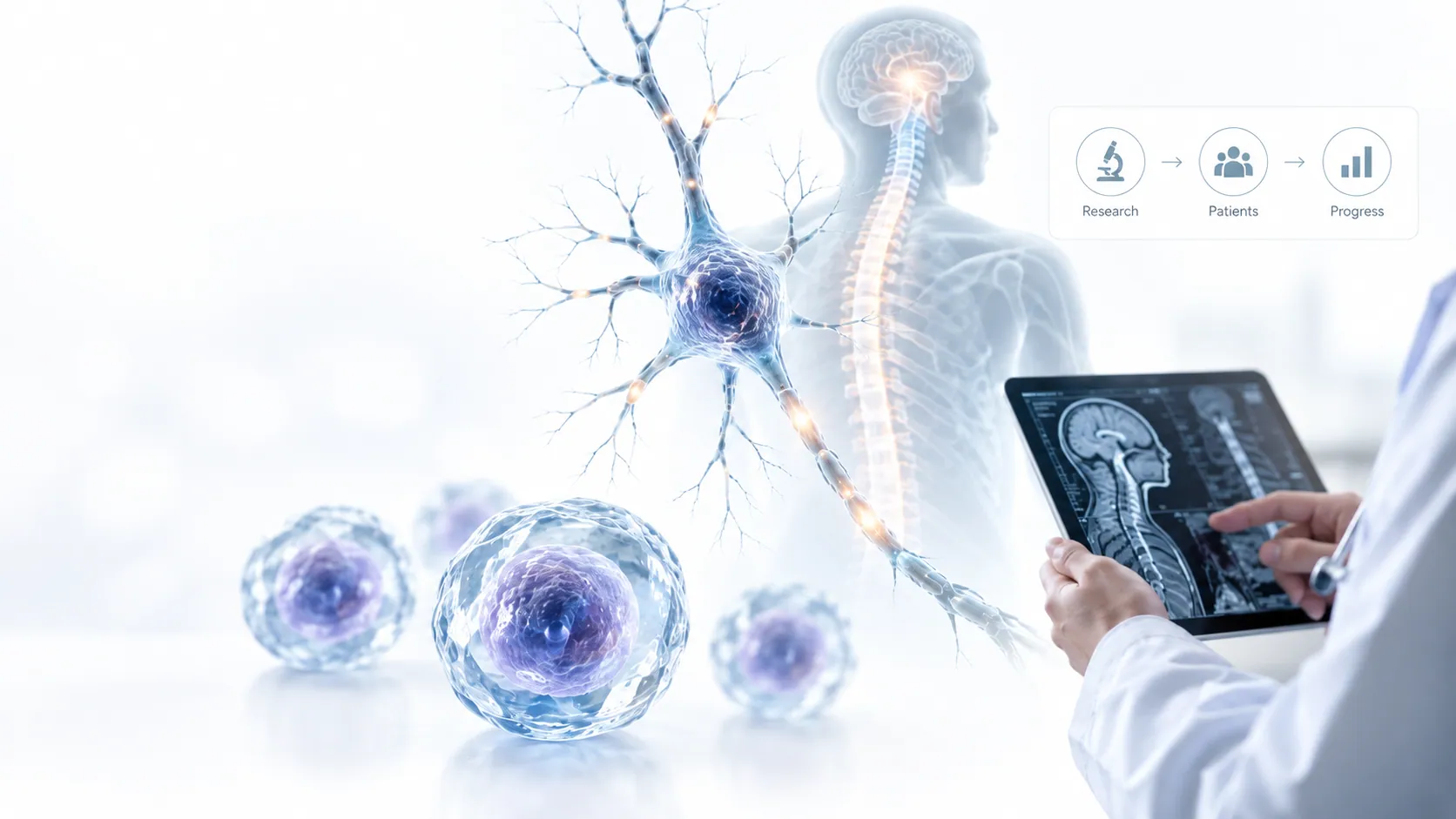
Who Might Qualify for a Clinical Trial?
Trial eligibility depends on the protocol. In the spinal-cord study, participants had been diagnosed for no more than 3 years and needed a breathing-test result above 60% of predicted. Those were entry criteria, not proof that everyone who meets them will benefit.[9]
A further phase 3b NurOwn study is listed as NCT06973629. Check the current record and confirm recruitment and site availability with the study team before planning travel.[10]
For a first eligibility discussion, it helps to have these items ready:
- Your diagnosis letter and approximate symptom-onset date.
- Recent breathing-test reports and details of breathing support.
- A current medicine list and any previous experimental treatments.
- A brief description of mobility, swallowing, and communication needs.
- Your availability for visits and caregiver travel.
What Should Patients Verify About Treatment in Japan?
Japan uses separate regulatory routes for regenerative medical practice and for marketed regenerative medical products. A filed treatment plan is not the same thing as product marketing approval. MHLW publishes treatment-plan information, while PMDA publishes product-review information.[11][12]
When you check regenerative medicine registration and compliance in Japan, make sure the documents match the exact treatment name, provider, cell type, and proposed indication.
A ClinicalTrials.gov listing does not mean FDA approval either. The FDA specifically warns that appearing in a database, or having a registered facility, is not proof that a product is legally marketed.[13]
What Should the Total Cost Include?
Published stem cell treatment prices in Japan are only general reference points. They should not be treated as an ALS-specific quote.
| Cost item | What to confirm in writing |
|---|---|
| Screening and consultation | Which tests are required and whether recent results are accepted. |
| Cell collection and processing | Whether these charges are included and what happens if processing fails. |
| Administration | Number of sessions, procedure fees, and any hospital stay. |
| Medicines and monitoring | Prescriptions, laboratory tests, and scheduled follow-up. |
| Travel and assistance | Accessible transport, accommodation, translation, and caregiver expenses. |
| Cancellation or complications | Refund terms and responsibility for additional medical costs. |
Does the quote cover the whole plan?
If the price sheet is hard to follow, GINZA NOA CLINIC can help you sort the charges into practical categories and prepare questions about repeat visits, interpretation, and follow-up before you travel.
Which ALS Care Should Continue?
Talk with your ALS specialist about riluzole, edaravone, and whether genetic testing could show eligibility for tofersen, which is used for SOD1-associated ALS. The right choice depends on your own clinical situation.[14]
Breathing checks, nutrition support, swallowing care, mobility equipment, and communication aids still matter because an experimental treatment may not improve those needs. Keep that care in place while you consider research options.[15]
Finally
Stem cell therapy is still experimental for ALS. Keep established ALS care in place while you look at research or treatment options.
Get your questions ready before a Japan consultation
Tell us your preferred language, possible travel dates, and what is still unclear. GINZA NOA CLINIC can help with preliminary information, medical translation, and appointment coordination. Your physicians remain responsible for clinical decisions.
Where treatment is provided
GINZA NOA CLINIC, Ginza, Tokyo
This article was written and medically reviewed at GINZA NOA CLINIC. The photographs below were taken inside the clinic in Chuo-ku, Tokyo.

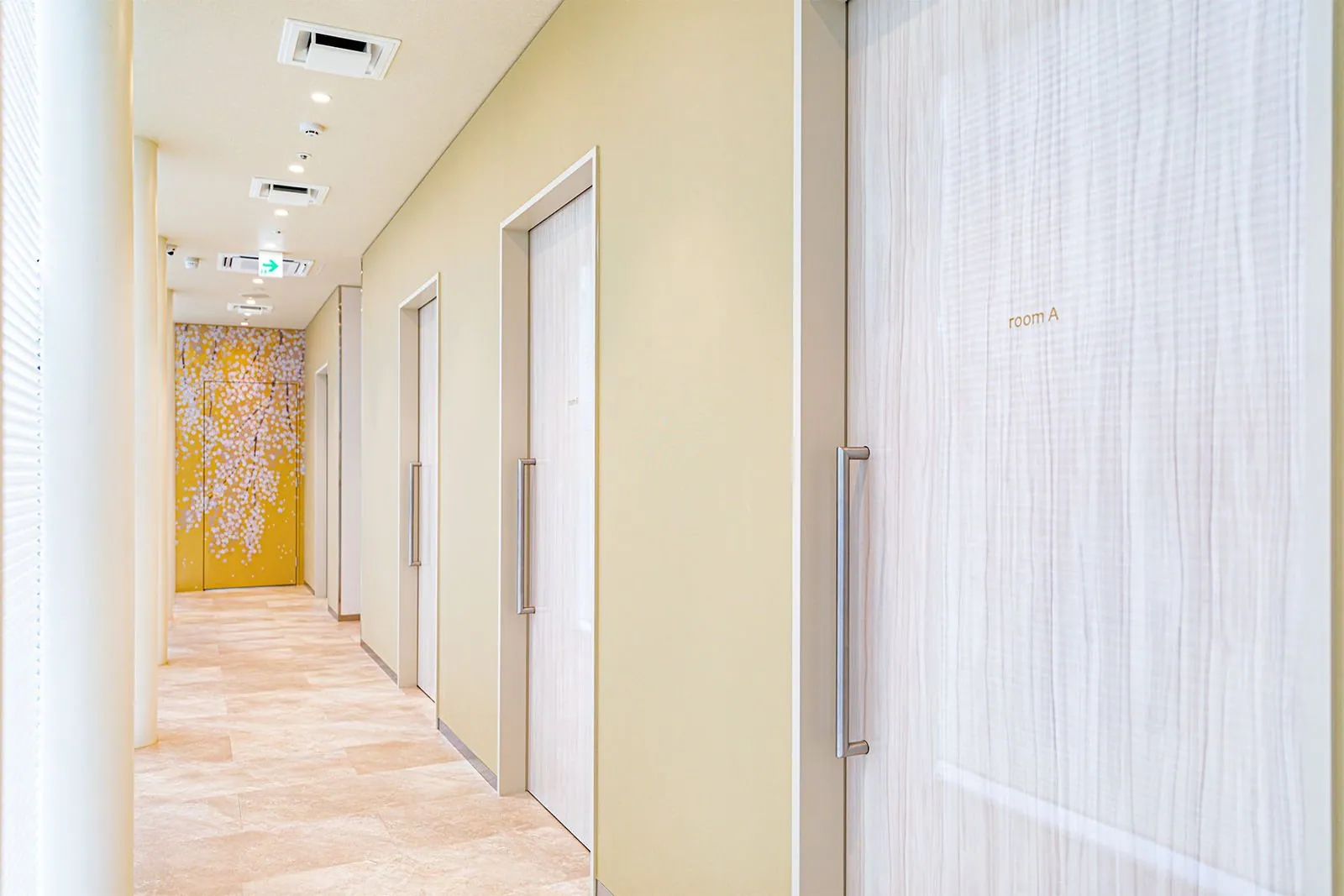
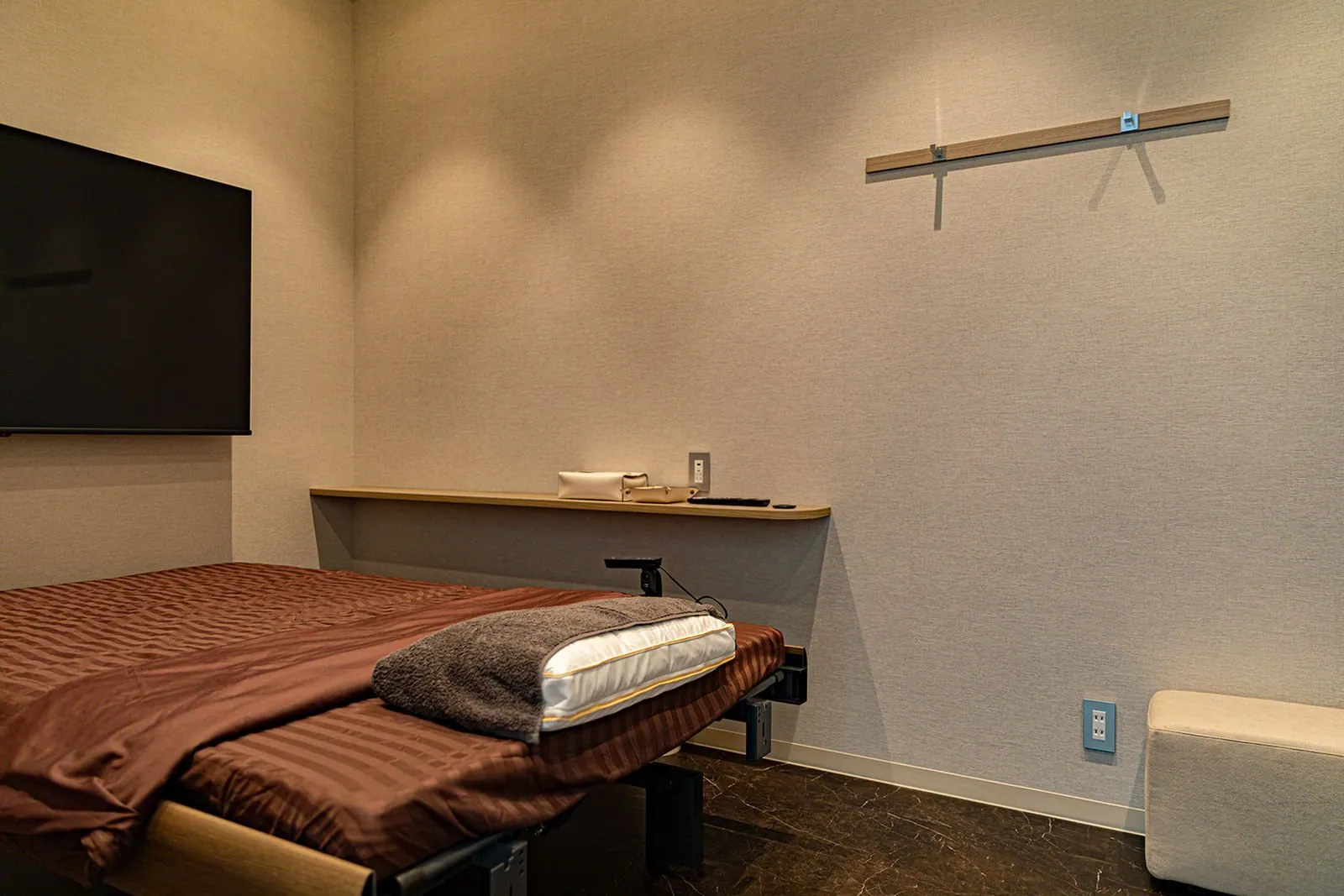
Royal Crystal Ginza 3F, 5-4-6 Ginza, Chuo-ku, Tokyo 104-0061
3 min from Tokyo Metro Ginza Station (Exit B6); 5 min from JR Yurakucho Station
In-house CPC, facility number FC3250034
WhatsApp +81-8070161366 · LINE +81-8075357788
Medically reviewed by Ryosuke Tanabe, MD (Director, GINZA NOA CLINIC) with Kotaro Yoshimura, MD, PhD (Professor of Plastic Surgery, Jichi Medical University) as technical advisor. Last reviewed 30 September 2026. Every treatment carries risks — ask what they mean for your case at the consultation. Registration and credentials · How we review content