
There is also an important distinction to make. Not everything advertised as “stem cell therapy” is the same treatment. AHSCT, mesenchymal stromal or stem cell therapy (MSC therapy), and donor-derived cell treatments use different cells and follow very different protocols. When looking at the regenerative medicine evidence, you need to know the exact cell type, disease, dose, and treatment method being discussed.
Stem Cell Treatment for Lupus at a Glance
| Question | Current Evidence |
|---|---|
| Can stem cells cure lupus? | No permanent cure has been proven. |
| Which approach has the strongest evidence? | Autologous hematopoietic stem cell transplantation (AHSCT). |
| What is the five-year disease-free rate after AHSCT? | About 50%–65% in selected patients with severe SLE. |
| Who is AHSCT mainly considered for? | People with severe, active lupus that remains uncontrolled despite appropriate treatment. |
| Can lupus return? | Yes. |
| Is MSC therapy established for lupus? | No. It is still investigational. |
| Is a commercial stem cell infusion the same as AHSCT? | No. The cells, procedure, evidence, and risks may be completely different. |
Where Does Stem Cell Treatment Fit Into Lupus Care?
For most people with lupus, stem cell treatment is not where treatment starts. The 2025 American College of Rheumatology guideline recommends hydroxychloroquine for most people with SLE, reducing long-term glucocorticoid exposure, and using conventional or biologic immunosuppressive treatment earlier when needed.[2]
The exact treatment depends on which organs are affected and what has already been tried. Medicines may include mycophenolate, azathioprine, cyclophosphamide, belimumab, anifrolumab, or calcineurin inhibitors.
AHSCT sits much further down the treatment pathway. The European Society for Blood and Marrow Transplantation (EBMT) reviewed studies and registry data covering more than 300 patients with severe SLE. Its 2025 recommendations describe AHSCT as a clinical option for selected patients whose disease remains active despite immunosuppressive and/or biologic therapy.[3]
Before transplant is even considered, doctors need to look at disease activity, organ involvement, infections, previous treatments, and current organ function. These are also some of the main points reviewed when checking stem cell therapy indications and contraindications.
What Exactly Is AHSCT?
Autologous hematopoietic stem cell transplantation uses the patient’s own blood-forming stem cells.
The treatment is not simply an injection of stem cells into the kidneys, joints, or another damaged organ. First, strong conditioning treatment suppresses much of the existing immune system. Blood-forming stem cells collected earlier are then returned to the body. This helps blood production recover while the immune system rebuilds.
The stem cells are usually moved from the bone marrow into the bloodstream and then collected through apheresis. Many lupus protocols have used cyclophosphamide together with anti-thymocyte globulin during conditioning.[4]
That is very different from receiving an outpatient MSC infusion. The source of the cells matters too. Choosing between autologous and allogeneic stem cells changes the immune risks, processing steps, and treatment plan.
What Benefits Have Been Seen After AHSCT?
Results from severe-SLE studies suggest that about 50%–65% of patients were disease-free five years after AHSCT. Some people who responded well were also able to remain off major immunosuppressive drugs for long periods.[5]
One single-center study included 50 people with severe SLE that had not responded to standard immunosuppressive treatment. Five-year overall survival was 84%, while the probability of remaining disease-free at five years was 50%. Researchers also reported stable kidney function and improvements in lupus activity, autoantibodies, complement levels, and some measures of lung function.[6]
Another study followed 26 patients treated with cyclophosphamide, antithymocyte globulin, and rituximab. Remission was reported in 92% at one year, 81% at two years, 71% at three years, and 62% at four and five years. There were no treatment-related deaths in that group.[7]
Those numbers sound promising, but there is an important catch. These were small groups of carefully selected people with severe disease. They are not personal success rates and should not be read that way.
Preparing for a stem cell consultation in Japan?
Bring your confirmed diagnosis, details of the organs affected, recent laboratory results, current medicines, and records of previous treatments and how you responded to them. These usually give the reviewing doctor a much clearer picture of your case.
Can AHSCT Help Lupus Nephritis?
Kidney involvement is common in lupus. Close to half of people with SLE develop lupus nephritis. According to the American College of Rheumatology, around 10%–22% of people with lupus nephritis eventually develop end-stage kidney disease.[8]
One study looked at 22 patients with refractory lupus nephritis. Eighteen of them, or 82%, reached complete remission. One additional patient reached partial remission.
After a median follow-up of roughly six years, five-year overall survival was 91% and disease-free survival was 53%. Six patients, around 27%, relapsed. One person died from treatment-related complications.[9]
The 82% figure needs context. It came from just 22 patients, so it should not be presented as the expected success rate for everyone with lupus nephritis.
AHSCT may help bring active kidney inflammation under control. It is much less likely to reverse kidney tissue that has already developed permanent scarring.
What Does Treatment and Recovery Look Like?
AHSCT happens in several stages: stem cell mobilization, collection, conditioning, reinfusion, blood-cell recovery, and follow-up.
In the 22-patient lupus nephritis study, granulocyte engraftment happened at a median of 8 days. Platelet engraftment took a median of 9 days.[10]
That does not mean the immune system is back to normal in a week or two. Immune recovery takes longer. After conditioning, white blood cell levels can become extremely low, which is one reason infection is such a major concern.
EBMT guidance recommends close monitoring during the first 100 days. It also recommends follow-up at least every six months during the first two years, followed by yearly reviews once the patient is medically stable.[11]
This matters even more for people traveling overseas for treatment. Before going home, confirm exactly who will handle follow-up. A clear stem cell treatment process in Japan should cover medical-record review, treatment details, discharge information, and the care plan after you return home.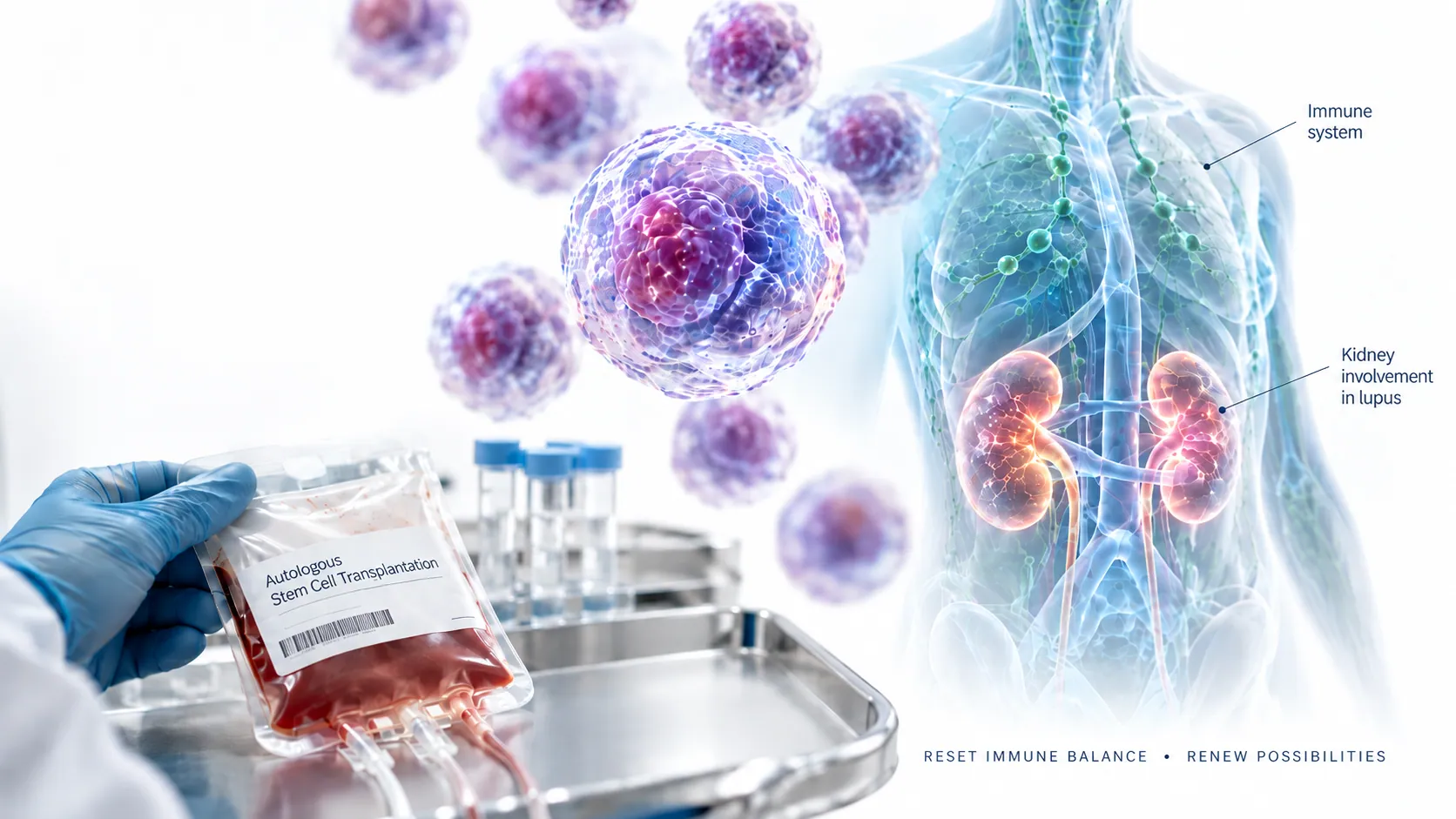
What Are the Main Risks of AHSCT?
Serious infection. Conditioning weakens the immune system very quickly. Bloodstream infections, pneumonia, viral reactivation, and opportunistic infections can become dangerous in a short time.
Low blood counts. Neutropenia increases infection risk. Low platelets raise the chance of bleeding. Severe anemia may mean a blood transfusion is needed.
Infertility. Cyclophosphamide and other conditioning drugs can damage ovarian or testicular function. If future fertility matters to you, fertility preservation should be discussed before treatment starts.
Organ toxicity. Conditioning drugs can affect the heart, lungs, liver, bladder, and other organs. If those organs are already damaged, transplant may carry more risk.
Relapse. AHSCT may keep lupus quiet for years, but it does not guarantee that the disease will never return.
Treatment-related death. AHSCT is still an intensive medical procedure. EBMT guidance puts heavy emphasis on infection prevention, organ assessment, careful patient selection, and treatment at experienced transplant centers.[12]
A proper stem cell safety review needs to look at the exact cell treatment, other drugs being used, infection risk, organ function, and what happens after treatment.
How High Is the Risk of Treatment-Related Death?
There is no single percentage that applies to every patient. The numbers have varied quite a bit between studies.
In the 50-patient SLE study, one patient died from transplant-related complications after HSCT. When two additional deaths that happened after stem cell mobilization were included in the intention-to-treat analysis, treatment-related mortality was 4%.[13]
A later study of 26 patients reported no treatment-related deaths.[14]
In the study of 22 people with refractory lupus nephritis, one treatment-related death was reported. That works out to about 5% of the group.[15]
The patients were different. So were the treatment periods, conditioning protocols, and transplant centers. A more useful question is what the treating center’s recent results look like in patients whose condition is similar to yours.
There can also be health issues years after autologous HSCT. These may include thyroid disease, osteoporosis, gonadal dysfunction, cardiovascular problems, secondary autoimmune disease, and new cancers. A 2026 EBMT study reported these problems in 579 people treated for several autoimmune diseases. However, only 2.4% of the study population had SLE, so the percentages from that study should not be treated as lupus-specific risk estimates.[16]
Who Might Be Considered for AHSCT?
AHSCT is mainly considered when lupus is severe, active, and still not controlled after appropriate immunosuppressive or biologic treatment. It may be discussed when major organs are at risk.[17]
At the same time, the patient needs enough heart, lung, kidney, liver, and general function to get through the transplant safely.
Doctors may look at:
- How active the lupus is now
- Which organs are affected
- Whether the damage is still caused by active inflammation or is already permanent
- Which immunosuppressive and biologic treatments have already failed
- Kidney, heart, lung, and liver function
- Current or recent infections
- Blood counts and immune status
- Previous cyclophosphamide or chemotherapy exposure
- Fertility and pregnancy plans
- Whether long-term follow-up can realistically be arranged
An active infection, pregnancy, severe irreversible organ failure, or another condition that makes conditioning unsafe may delay transplant or rule it out completely. For someone with mild or well-controlled lupus, the risks of AHSCT would normally be difficult to justify.
There is no universal checklist that fits every stem cell procedure. Indications and contraindications need to be checked against the actual treatment being offered, not simply against the words “stem cell therapy.”
Have medical records but not sure what matters?
Start with the basics: your diagnosis, recent blood tests, affected organs, current medicines, previous treatment failures, imaging, and biopsy reports if you have them. In most cases, these are more useful than sending every old document you can find.
Can AHSCT Reverse Existing Organ Damage?
Sometimes it can help. Sometimes it cannot. The key question is whether the problem comes from active inflammation or permanent tissue damage.
For example, controlling active lupus nephritis may reduce protein loss in the urine and help stabilize kidney function. But once significant fibrosis and tissue loss have developed, recovery becomes much less likely.
The same idea applies to avascular necrosis, chronic neurological injury, advanced cardiovascular damage, and other permanent complications. AHSCT is aimed at controlling autoimmune activity. It should not be sold as a way to regrow every organ or reverse every type of damage.
What About Mesenchymal Stem Cell Therapy?
Mesenchymal stromal cells, commonly called mesenchymal stem cells or MSCs, are not the same cells used in AHSCT.
Researchers are studying MSCs because of their possible effects on immune and inflammatory activity. Studies have used cells from bone marrow, adipose tissue, umbilical-cord tissue, and several other sources.
A meta-analysis of MSC treatment for lupus nephritis included 12 studies and 586 patients. The pooled clinical remission rate was around 28.1% at 12 months and 33.7% across total follow-up. The combined analysis also found improvements in measures of lupus activity and kidney function.[18]
There is a problem with reading too much into one pooled number, though. The studies used different cell sources, doses, background medicines, and treatment schedules. MSC treatment for lupus is still investigational.
AHSCT vs. MSC Therapy
| Feature | AHSCT | MSC Therapy |
|---|---|---|
| Cell type | Hematopoietic stem cells | Mesenchymal stromal/stem cells |
| Typical source | The patient’s own blood-forming stem cells | Bone marrow, fat, umbilical cord, or other tissue |
| Main goal | Suppress and rebuild the immune system | Modify immune and inflammatory activity |
| Intensive conditioning | Yes | Usually no |
| Evidence in severe SLE | Clinical studies and registry data involving more than 300 patients | Growing research, but studies vary widely |
| Current role | A clinical option for selected patients with severe refractory SLE | Investigational |
| Main concerns | Infection, infertility, organ toxicity, relapse, and treatment-related death | Uncertain effectiveness, variable products and protocols, and limited long-term evidence |
What Should You Check Before Stem Cell Treatment?
Confirm what treatment you are actually being offered. The phrase “umbilical cord stem cells” only tells you where the cells came from. It does not prove that the treatment works for lupus. AHSCT, MSC infusion, donor hematopoietic transplantation, and other cell procedures are not interchangeable.
Read regulatory claims carefully. FDA consumer guidance states that stem cell products approved in the United States consist of blood-forming stem cells derived from umbilical cord blood for certain disorders of the hematopoietic system. That does not mean commercial MSC products are FDA-approved treatments for lupus.[19]
Japan works in a similarly specific way. Approval depends on the individual product and its approved indication. PMDA publishes a list of approved regenerative medical products, but approval of one product does not make every stem cell treatment approved for every disease.[20]
There is another detail that often causes confusion. Japan separates commercial product approval from the legal framework used to provide regenerative medicine. A filed treatment plan is not the same thing as PMDA marketing approval. The site’s guide to Japan regenerative medicine registration and compliance explains that difference in more detail.
Ask how the cells are processed. The cell source matters, but so do culture methods, storage, sterility testing, release criteria, transport, and traceability. The CPC Cell Processing Center guide covers the main things patients can check when looking at cell processing in Japan.
Pay attention to what the clinic promises. Be careful if the same product is promoted for many unrelated diseases, if a cure is guaranteed, or if the provider cannot clearly explain what cells are being used and what evidence supports the treatment. In 2026, the FDA again warned about serious adverse events, including deaths, connected with some unapproved human cell or tissue products.[21]
Check the treatment center, not just the treatment name. AHSCT safety depends heavily on patient selection, infection prevention, conditioning, management of complications, and follow-up. If you are traveling abroad, make sure your doctors at home can receive a clear procedure summary, medication list, cell information, and follow-up instructions.
A useful stem cell hospital review should look at clinical evidence, regulatory status, cell processing, costs, and follow-up separately. Putting all of those questions under one vague “Is this clinic good?” question usually hides important details.
Eight Questions to Ask Before Treatment
- What exact cell type and treatment protocol will be used?
- Is this AHSCT, MSC therapy, or another kind of cell treatment?
- What published human evidence exists for patients with SLE similar to mine?
- What are this center’s recent rates of serious infection, relapse, and treatment-related death?
- How could my kidney, heart, lung, liver, infection status, or fertility plans change the risk?
- Where are the cells processed, and what quality checks happen before they are used?
- What regulatory route applies to this exact treatment?
- Who will manage follow-up and complications after I return home?
Already have a stem cell proposal from Japan?
Before booking flights or paying a deposit, check the exact cell type, treatment protocol, regulatory route, published lupus evidence, total cost, and follow-up plan.
Finally
For most people with lupus, established medication is still the first treatment. AHSCT is mainly considered when severe, active SLE remains uncontrolled despite appropriate therapy. Some carefully selected patients stay in remission for years, but the procedure can also cause serious infection, infertility, organ toxicity, relapse, or treatment-related death. MSC therapy is still investigational.
Comparing stem cell options in Japan?
Send the treatment name, diagnosis, previous therapies, and the medical records you already have. The international support team can help organize the information and practical questions that may be useful before a physician reviews the case.
This article provides general medical information only. It does not diagnose lupus, decide whether someone is suitable for stem cell treatment, or replace advice from a rheumatologist, nephrologist, hematologist, transplant specialist, or another qualified physician. Do not stop or change prescribed lupus treatment based on this article.
Where treatment is provided
GINZA NOA CLINIC, Ginza, Tokyo
This article was written and medically reviewed at GINZA NOA CLINIC. The photographs below were taken inside the clinic in Chuo-ku, Tokyo.


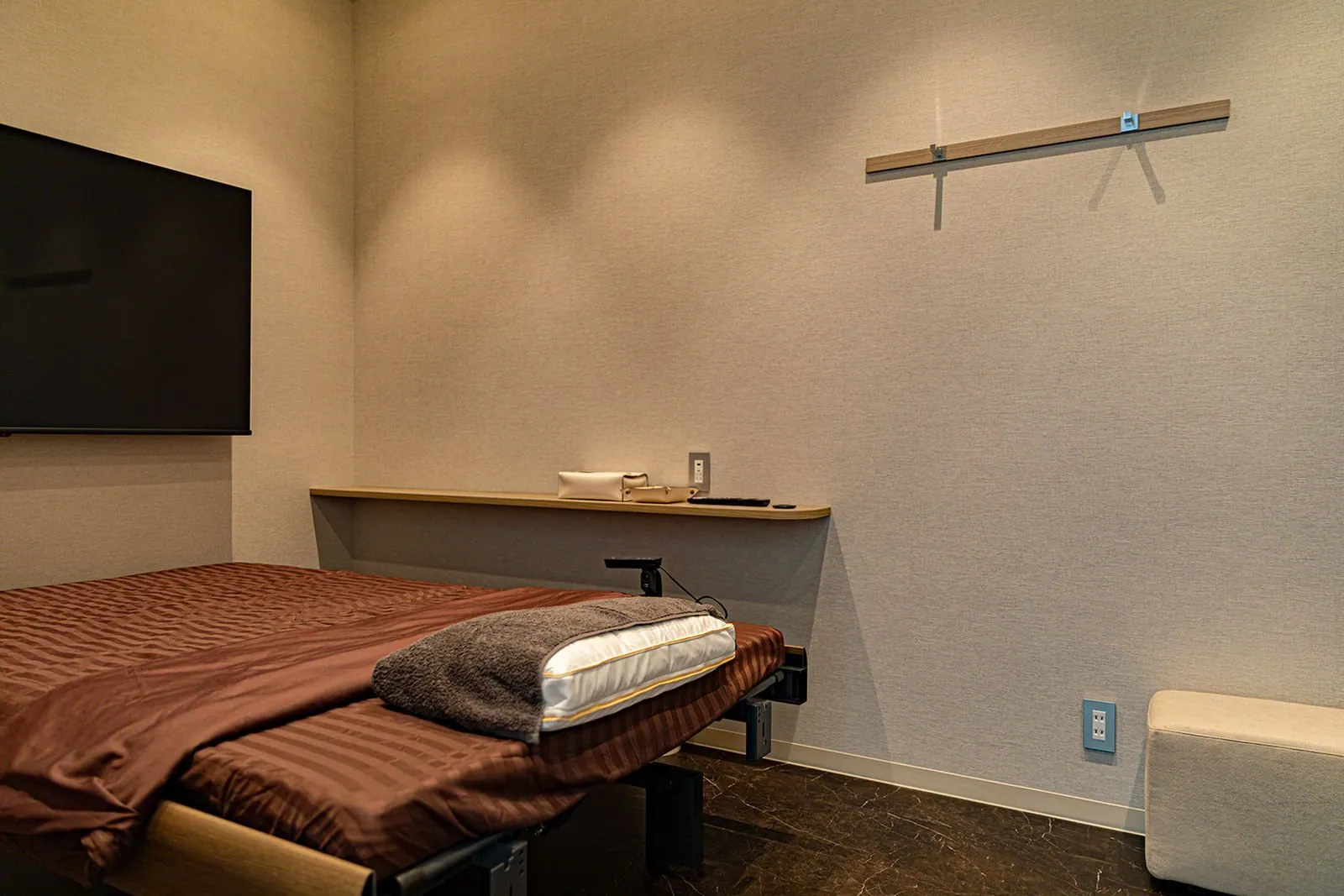
Royal Crystal Ginza 3F, 5-4-6 Ginza, Chuo-ku, Tokyo 104-0061
3 min from Tokyo Metro Ginza Station (Exit B6); 5 min from JR Yurakucho Station
In-house CPC, facility number FC3250034
WhatsApp +81-8070161366 · LINE +81-8075357788
Medically reviewed by Ryosuke Tanabe, MD (Director, GINZA NOA CLINIC) with Kotaro Yoshimura, MD, PhD (Professor of Plastic Surgery, Jichi Medical University) as technical advisor. Last reviewed 30 September 2026. Every treatment carries risks — ask what they mean for your case at the consultation. Registration and credentials · How we review content