
In many cases, yes. A remote consultation can help you find out whether a trip to Japan is worth considering before you spend money on flights, hotels, or a large treatment deposit.
Use that consultation to settle the questions that could affect your decision. Has a doctor reviewed your records? What treatment are they considering? Which tests can you do at home? What could still stop treatment after you arrive? What is the regulatory status of the treatment in Japan? And how many visits and payments are likely to be involved?
Keep in mind that a video consultation is usually an early screening step, not final approval for treatment. Japan’s current online-care rules took effect on April 1, 2026. MHLW requires doctors to decide whether online care is appropriate or whether the patient needs to be examined in person.[1]
The stem cell treatment process in Japan can involve more than one appointment, so ask which parts can be handled before you leave home.

Make Sure a Doctor Has Actually Reviewed Your Case
A coordinator saying that you have been “accepted” is not the same as a medical decision. Before booking a trip, ask whether a licensed doctor has personally reviewed your records.
That review may lead to a few different outcomes:
- You may be a reasonable candidate for an in-person assessment.
- The doctor may need more information, such as new blood tests, imaging, or a specialist report.
- The records may already show a major concern that makes the proposed treatment unlikely to go ahead.
- The doctor may simply be unable to decide remotely and need to examine you in person.
Ask who reviewed your case and what is still uncertain:
- What diagnosis are you using?
- Did the doctor review my actual images or only the radiology report?
- Do you need any more records or tests?
- What could make me unsuitable once I arrive?
- Will the doctor reviewing me now also be the doctor who treats me?

Send the Records the Doctor Really Needs
Sending hundreds of pages does not necessarily make a medical review better. The useful records are the ones that show what your diagnosis is, what your condition looks like now, and what treatment you have already tried.
For a first review, you may be asked for:
- A recent specialist report or discharge summary
- Important MRI, CT, X-ray, or ultrasound reports
- Original DICOM imaging when needed
- Relevant blood tests or pathology results
- Previous surgery or procedure reports
- Your current medicines and doses
- Known allergies
- Details of previous regenerative or cell-based treatments
- A short description of your current symptoms and physical limitations
Do not assume a radiology report and the scan itself are interchangeable. The report is the radiologist’s interpretation. DICOM files contain the original images. If the Japanese doctor needs to look closely at cartilage loss, spinal changes, a meniscus injury, a brain lesion, or another structural problem, the original images may be important.
Ask before paying for a new scan. A repeat MRI is not very helpful if the doctor needed a different body position, sequence, view, or type of imaging.
A short medical timeline can also save time. It does not need to be fancy:
- March 2023 — knee pain started
- July 2024 — MRI showed osteoarthritis
- January 2025 — steroid injection; relief lasted about six weeks
- June 2026 — physical therapy completed; walking pain remained
The medical travel guide for stem cell treatment in Japan has a broader list of records and travel information you may want to prepare.

Do Important Screening Before the Flight
If a blood test, scan, or specialist review could delay treatment, try to deal with it before traveling. Ask the Japanese doctor which checks can be done in your own country and how recent the results need to be.
Depending on the procedure and your medical history, the doctor may ask for:
- A complete blood count
- Liver and kidney tests
- Blood-clotting tests
- Infection screening
- Updated imaging
- An ECG or cardiac assessment
- Clearance from another specialist
- Updated cancer follow-up records
Do not use this as a shopping list for self-ordering tests. The treating doctor should decide what is relevant to your case.
Recent infection, a history of cancer, anticoagulant use, immunosuppressive medicine, recent major surgery, significant heart or lung disease, or several serious illnesses at the same time may need closer review. Whether any of these affects eligibility depends on the treatment being considered. The stem cell therapy indications and contraindications guide explains this in more detail.
Ask What Treatment You Are Actually Being Offered
“Stem cell therapy” is not a useful treatment name. You should know what is going into your body and how it will be given.
- The name of the cell type or product
- Where the cells come from
- Whether they are autologous or allogeneic
- How they are processed
- The planned dose
- How they will be administered
- How many administrations are planned
- How much time is planned between treatments
Autologous means the cells or starting tissue come from you. Allogeneic means they come from another person or a donor-derived source.
Neither label tells you by itself whether the treatment is better. What matters is how the cells are made, what condition is being treated, how they are given, and what evidence exists for that use. See the comparison of autologous and allogeneic stem cells for more detail.
Do not treat the cell count as a simple quality score either. Two hundred million cells are not automatically better than 50 million. Cell identity, viability, processing, route, disease, and supporting research all matter.
For example, one MHLW-published document for a particular autologous adipose-derived MSC protocol lists a dose range of 10 million to 200 million cells per administration. That range belongs to that treatment plan; it is not a standard dose for all stem cell treatment in Japan.[2]
Find Out What Happens to the Cells Between Collection and Treatment
If your own tissue is collected, ask what happens to it afterward. Cell processing should not be a black box.
- Where are the cells processed?
- Is an outside cell-processing facility involved?
- Are the cells cultured or expanded?
- Are they frozen and thawed before use?
- How is the patient’s identity matched to the cells?
- How is contamination checked?
- Is cell viability measured?
- What quality checks must the batch pass before it can be administered?
The CPC cell processing center guide covers the questions patients can ask when an outside processing facility is involved.
Japan’s Act on the Safety of Regenerative Medicine was amended, and the revised law took effect on May 31, 2025. MHLW regulates medical institutions providing covered regenerative medicine, cell-processing facilities, and committees that review regenerative medicine plans.[3]
Ask What Happens if Cell Processing Fails
For an overseas patient, a failed cell batch is not just a laboratory problem. It may change the treatment date, require another tissue collection, or mean another trip to Japan.
Get these points in writing before tissue is collected:
- What happens if enough cells cannot be grown?
- What happens if the batch fails a quality test?
- Would another tissue collection be needed?
- Would I have to pay another processing fee?
- Can the treatment date be moved?
- Would I need another trip to Japan?
- Can usable cells be stored?
- What does storage cost?
- Which fees would still be non-refundable?
One MHLW-published consent document for an autologous adipose-derived treatment states that sufficient culture may not always be possible. If that happens, the decision about administration has to be discussed with the patient.[2]

Make Sure the Research Matches the Treatment
Searching for “stem cells + my disease” can give you a pile of studies that have little to do with the treatment a clinic is offering.
Compare the study with the proposed treatment:
- Is the diagnosis the same?
- Is the disease at a similar stage?
- Are the patients reasonably similar?
- Is the cell type the same or closely related?
- Is the processing method similar?
- Is the dose similar?
- Is the route of administration the same?
- Is the follow-up period long enough to answer the question you care about?
Route matters. A study of cells injected into a knee does not establish that an IV infusion will produce the same result. Evidence from patients with acute disease may also tell you little about someone who has lived with the condition for many years.
The regenerative medicine overview explains the differences between product type, route, indication, and evidence.
Look Behind a Clinic’s “Success Rate”
If a clinic says “80% of our patients improved,” ask how that number was calculated.
Imagine this:
- 100 patients received treatment.
- 60 came back for follow-up.
- 48 of those 60 reported improvement.
48 ÷ 60 = 80%.
So 80% of the patients who completed follow-up reported improvement. But the clinic still does not know what happened to the other 40 patients. The data are incomplete, and that matters.
When you see a success percentage, ask for the numbers behind it:
- How many patients started treatment?
- How many completed follow-up?
- How many were lost to follow-up?
- What counted as improvement?
- How large was the improvement?
- When was it measured?
- Was there a control or comparison group?
- Were patients receiving other treatments at the same time?
Decide What Improvement Would Actually Matter to You
“I want to feel better” sounds reasonable, but it is hard to measure later. Before treatment, write down what you can and cannot do now.
You might track:
- How many minutes you can walk
- How far you can walk
- How often you need pain medicine
- How many stairs you can manage
- How many hours you can work
- A disease-specific score used by your doctor
For example:
“I can walk for about 10 minutes before the pain makes me stop, and I take pain medicine four days a week.”
Then ask when the treatment will be judged and what would count as a meaningful change.
- When would we decide that the treatment has not worked?
- What happens if I do not improve?
- Would repeat treatment be offered?
- What evidence supports repeating it?
- How long did any benefit last in similar patients?
A three-month result tells you what happened at three months. It does not tell you whether the same benefit will still be there one or two years later.
Check the MHLW Record Yourself
If a clinic says a treatment is “registered in Japan,” ask for the record and check it yourself.
At the end of December 2024, MHLW reported 6,189 regenerative medicine provision plans: 17 Class I, 2,036 Class II, and 4,136 Class III. It also reported 164 certified regenerative medicine committees and 3,666 cell-processing facilities.[3]
That works out to about 66.8% Class III, 32.9% Class II, and 0.3% Class I. These figures show the scale of the system, not whether an individual treatment is effective.
MHLW keeps a public database of regenerative medicine provision plans. A record may include the medical institution, treatment name, responsible manager, reviewing committee, and patient information or consent documents.[4]
Once you have the official treatment name, compare the clinic’s claims with the public record:
- Clinic name
- Treatment name
- Disease or condition being treated
- Cells or procedure used
- Patient information document
- Consent document
The Japan regenerative medicine registration and compliance guide explains how a provision plan differs from product approval or a clinical-study record.
Do Not Confuse a Provision Plan With Product Approval
A filed MHLW provision plan and an approved regenerative medical product are two different things.
Japan has a separate PMD Act pathway for regenerative medical products. PMDA explains how that product-approval route differs from treatment and research carried out under the Act on the Safety of Regenerative Medicine.[5]
PMDA’s fiscal-year 2026 list through July 17, 2026 contained seven approval entries: five new approvals and two changes involving products that were already approved.[6]
Those entries cover different cell and gene products for different diseases. They should not be treated as seven versions of the same “stem cell therapy.”
Savyscus is one example. It was approved in May 2026 and uses a patient’s own synovium-derived mesenchymal stem cells in a particular meniscal-injury setting after arthroscopic repair. That is very different from an IV stem cell infusion offered for general knee pain.[6]
If a clinic says a treatment is “approved in Japan,” ask:
- What is the product called?
- What indication was it approved for?
- Does my diagnosis fit that indication?
- Will I actually receive that product?
- Will it be used through the approved route?
PMDA publishes product-specific review information, including indications and approval histories.[7]
If It Is Called “Research,” Ask for the Study Record
Words such as “research,” “clinical study,” “trial,” and “experimental” sound scientific, but the label alone tells you very little. Ask for the registration details.
- Am I being enrolled as a research participant?
- What is the study registration number?
- What are the entry criteria?
- What are the exclusion criteria?
- How many patients will be enrolled?
- What outcome is the study measuring?
- What happens if I withdraw?
- If I have to pay, what am I paying for?
Japan’s jRCT system publishes registered clinical-study information.[8] Registration tells you that a study has been registered. It does not, by itself, show that the treatment works.
Know Which Doctor Is Responsible for You
International coordinators can be very helpful with appointments, payment, translation, and travel arrangements. They are not the person making the medical decision.
Ask:
- Who reviewed my medical records?
- Who decides whether I am suitable?
- Who performs the procedure?
- Who manages complications?
- Who follows me after treatment?
- What is the doctor’s specialty?
- How much experience does the doctor have with my disease?
Being good at performing a procedure is not the same as being an expert in the disease behind it. This matters even more with complicated neurological, cardiac, autoimmune, and orthopedic conditions.
The guide to choosing a stem cell hospital in Japan covers the doctor, regulatory route, cell processing, evidence, and follow-up.
Ask What Happens if Something Goes Wrong
If you develop a complication, you need to know who will examine you and where you will go for treatment. That becomes especially important when you are planning to fly home soon afterward.
- Who should I contact if I develop fever, severe pain, swelling, or another problem?
- Can the clinic arrange hospital care?
- Where would I be transferred if I needed to be admitted?
- Who pays for complication-related treatment?
- Is there an urgent or 24-hour clinical contact?
- Who can my doctor at home contact?
- How quickly can I get a copy of my treatment record?
Possible risks vary with the procedure. They can include infection, bleeding, tissue injury, infusion reactions, anesthesia problems, and cell-processing problems. The stem cell therapy safety in Japan guide looks at these risks by treatment type.
Compare It With the Care You Could Get at Home
Traveling overseas only makes sense if the Japanese option offers something worth traveling for. Compare it with the care that is already available to you.
Depending on the diagnosis, alternatives may include medication, physical therapy, rehabilitation, standard injections, surgery, observation, or a registered clinical trial.
Ask your doctor:
- Why consider this treatment now?
- What happens if I continue my current treatment?
- What happens if I wait?
- Is there an option with stronger evidence?
- Is this meant to replace standard care or be added to it?
If the procedure is expensive, invasive, or backed by limited evidence, a second opinion can be useful. Ideally, get it from a doctor who does not make money from your decision to buy the treatment.

Get a Written Price for an Overseas Patient
Do not assume a price shown to patients living in Japan will be the price quoted to someone traveling from overseas.
One current MHLW-published treatment document gives a clear example. For that autologous adipose-derived MSC protocol, it lists:
- ¥2,200,000 per administration for patients living in Japan
- ¥4,400,000 per administration for patients living overseas
- ¥44,000 per year for cell storage from the second year
Those figures belong to that treatment plan and should not be treated as standard prices across Japan.[2]
Your quote should make clear what you are paying for:
- Remote consultation
- Doctor examination
- Laboratory tests
- Imaging
- Tissue collection
- Cell processing
- Cell storage
- Administration
- Anesthesia or sedation
- Medicine
- Interpretation
- Follow-up
- Repeat treatment
- Taxes
The stem cell treatment costs in Japan guide breaks down procedure costs, testing, processing, repeat sessions, and medical-travel expenses.
Read the Cancellation Terms Before Paying
A low headline price is not much comfort if a large part of it becomes non-refundable weeks before treatment.
In the MHLW-published plan discussed above:
- The administration date can be changed up to 10 days before treatment.
- From 9 days before the administration date through the treatment date, the document says the date cannot be changed and a refund is not available.
- For a tissue-collection appointment, cancellation from 4 days before the collection date is listed at 100% of the applicable cancellation charge.[2]
Those rules come from one plan. Your own clinic may have different terms.
Ask what happens if:
- Your doctor at home advises against travel
- The Japanese doctor finds a contraindication
- Your blood tests are abnormal
- Cell processing fails
- The clinic changes the treatment date
- You cannot return for a second visit
Budget for the Possibility of More Than One Trip
If the clinic collects tissue on one visit and administers the cells on another, the travel bill can grow quickly.
Find out:
- How long is the gap between collection and treatment?
- Can I go home while the cells are being processed?
- Will I need another examination when I return?
- Can the cells be stored?
- What happens if I cannot return on the planned date?
Here is a simple example:
- Two round-trip flights at ¥150,000 each = ¥300,000
- Five hotel nights per trip at ¥20,000 per night = ¥200,000
- Flights and hotels alone = ¥500,000
That still leaves out meals, local transport, interpretation, extra testing, a companion’s expenses, and time away from work.
Plan the Return Flight Around the Procedure
Do not buy the cheapest return ticket first and then try to squeeze the medical schedule around it.
Ask the medical team when they would normally consider long-distance flying reasonable after your procedure. The answer may depend on bleeding, swelling, pain, sedation or anesthesia, a wound or collection site, how well you can walk, whether you need observation, and your own risk during long periods of sitting.
There is no single waiting period that fits every regenerative medicine procedure. Let the medical schedule come first.

Leave Japan With a Proper Treatment Record
Your doctor at home should not have to guess what happened in Japan.
Before you leave, ask for:
- The treatment or product name
- Cell source
- Dose
- Administration route
- Treatment date
- Procedure report
- Important laboratory results
- Medicines you were given
- Warning signs to watch for
- Follow-up schedule
- Clinical contact information
Make sure your home doctor has someone to contact if a problem appears weeks later.
If you develop severe breathing difficulty, chest pain, heavy bleeding, high fever, sudden weakness, new neurological symptoms, or another possible emergency after returning home, seek local emergency care. Do not wait for an overseas clinic to reply to a message.
Be Careful With Medical Records and Interpretation
A remote consultation often means sending scans, laboratory results, identification details, and other private medical information online. Ask where those files are going and who can see them.
- Where should I send my records?
- Who will have access to them?
- Will an interpreter see them?
- Will they be shared with a cell-processing facility?
- Will the video consultation be recorded?
- How can I get copies later?
If the clinic has a secure medical-record system, use it instead of sending large amounts of health information through an unverified personal account.
And if you cannot comfortably discuss diagnosis, risks, alternatives, and consent in Japanese, ask for professional medical interpretation. A travel coordinator may be helpful, but that does not automatically make the person a trained medical interpreter.
Read the Consent Forms Before You Fly
Ask for the patient information and consent documents in advance when possible. Reading them at home is very different from seeing them for the first time in a treatment room when you are tired, nervous, and far from home.
Look for:
- The treatment name
- Cell source
- How the cells are processed
- Possible benefits
- Known risks
- Important uncertainties
- Other treatment options
- Fees
- Cancellation terms
- Follow-up requirements
MHLW’s public regenerative medicine database advises patients to read the explanation and consent documents and make a decision only after receiving enough explanation from the doctor.[4]
Some Missing Answers Are Serious Red Flags
A clinic does not need to have an instant answer to every minor question. But some gaps should make you stop before sending a large deposit or buying a non-refundable ticket.
- No doctor has reviewed your actual medical records
- Your diagnosis is still unclear
- The clinic cannot name the cells or product it plans to use
- No one can clearly explain how the treatment will be administered
- “Approved in Japan” cannot be tied to a named product or regulatory route
- The evidence being shown to you comes from a different disease, cell type, or administration route
- The clinic quotes a success percentage but will not show the patient numbers behind it
- The provider guarantees improvement
- The provider claims there are no meaningful risks
- The price keeps changing and you still cannot get a written quote
- Refund terms are not available
- No one can explain what happens if cell processing fails
- There is no clear plan for complications after you return home
Ask Yourself Why You Need to Go to Japan
Japan has a major regenerative medicine sector, but that alone is not a reason to travel there for treatment. There should be something specific that makes the trip medically worthwhile.
That might be:
- A named product available in Japan
- A doctor with relevant experience in your disease
- A procedure you cannot access in your own country
- A registered clinical study that fits your case
- A treatment approach that is genuinely different from the options available at home
If a similar treatment is available closer to home, compare the two on evidence, regulatory status, doctor experience, total cost, number of trips, access to emergency care, and long-term follow-up.
Before You Book, Make Sure You Can Answer These Questions
- Which doctor has reviewed my case?
- What diagnosis is being treated?
- What cell product or procedure will be used?
- What could make me unsuitable after I arrive?
- Which tests can I complete before leaving home?
- What human evidence matches the diagnosis, cells, dose, and route?
- Which MHLW provision-plan record applies?
- If an approved product is involved, what is its name and approved indication?
- What happens if the cells cannot be processed or used?
- How many trips to Japan will I need?
- What is the full cost, and which payments are non-refundable?
- Who manages complications and follow-up after I return home?
If several of these questions still have no clear answer, hold off on non-refundable flights and large deposits.
Finally
A good remote consultation should save you from an unnecessary trip, not simply move you one step closer to making a payment. You should come away knowing what the doctor thinks, what treatment is being considered, what could still stop it, and what the trip is likely to cost.
Check MHLW and PMDA records separately, because a filed regenerative medicine plan is not the same thing as product approval. Make sure any research being used to support the treatment actually resembles the treatment you would receive. And if the clinic cannot explain what happens when treatment is cancelled, cell processing fails, or a complication appears after you return home, do not rush to book.
Medical note: This article is for general educational use. It cannot determine whether a stem cell or regenerative medicine treatment is appropriate for a particular person. A qualified medical professional who has reviewed your current condition, medical history, alternatives, and individual risks should make decisions about diagnosis, eligibility, prescribing, and treatment.
Where treatment is provided
GINZA NOA CLINIC, Ginza, Tokyo
This article was written and medically reviewed at GINZA NOA CLINIC. The photographs below were taken inside the clinic in Chuo-ku, Tokyo.


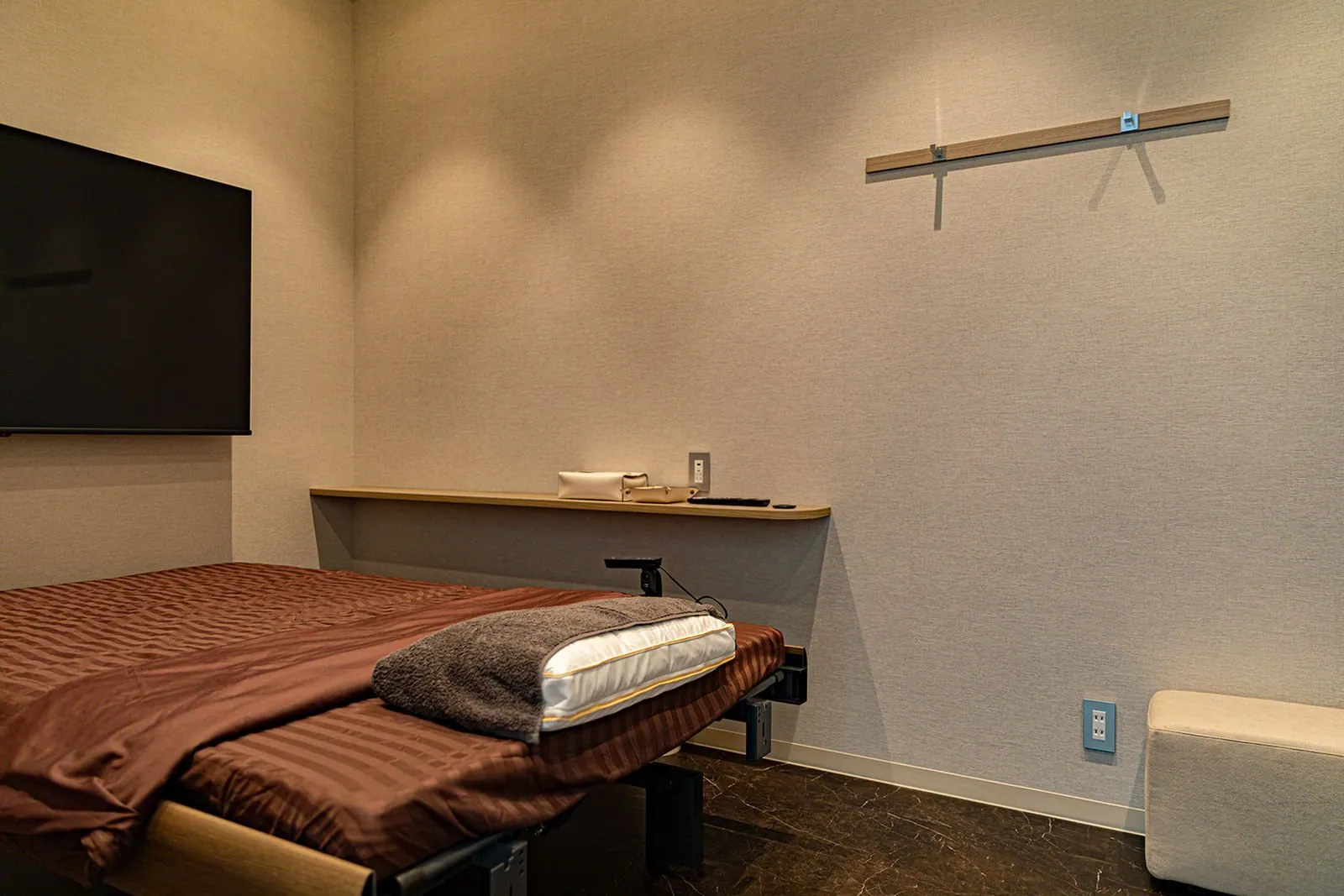
Royal Crystal Ginza 3F, 5-4-6 Ginza, Chuo-ku, Tokyo 104-0061
3 min from Tokyo Metro Ginza Station (Exit B6); 5 min from JR Yurakucho Station
In-house CPC, facility number FC3250034
WhatsApp +81-8070161366 · LINE +81-8075357788
Medically reviewed by Ryosuke Tanabe, MD (Director, GINZA NOA CLINIC) with Kotaro Yoshimura, MD, PhD (Professor of Plastic Surgery, Jichi Medical University) as technical advisor. Last reviewed 30 September 2026. Every treatment carries risks — ask what they mean for your case at the consultation. Registration and credentials · How we review content