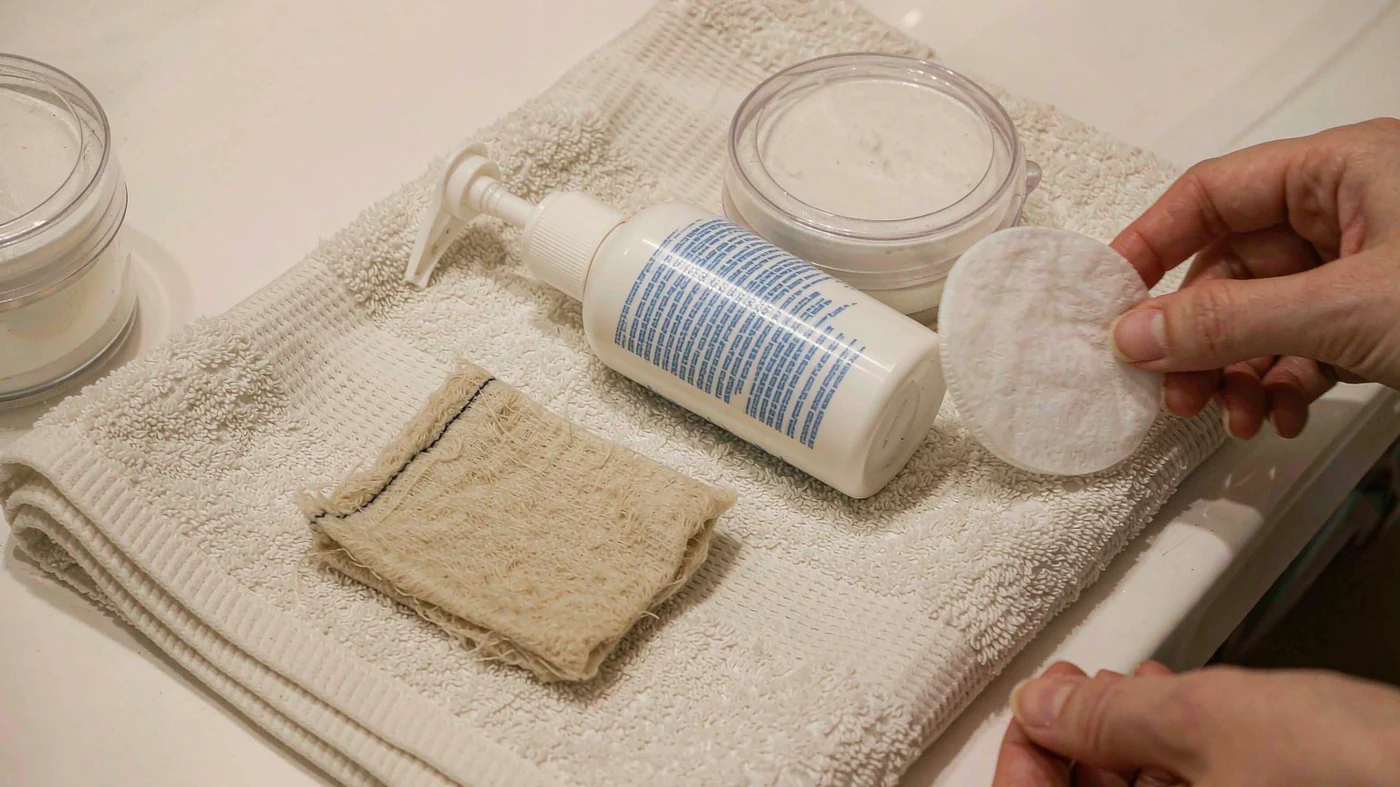
Keep the collection site clean and protect the dressing from water. Change it only as your collection team instructed, avoid soaking the wound, and follow your activity restrictions. Check for spreading redness, increasing drainage, wound opening, fever, or worsening pain. Dressing duration and shower timing depend on whether you had fat collection, marrow collection, or a blood draw; use your own discharge instructions rather than a general recovery timetable.
If your written instructions are missing or unclear, contact the team that performed the collection before changing the dressing or applying anything to the wound. This guide is general information, not an individual treatment plan.
Match Care to Your Collection Type
The collection site is where tissue or blood was removed. It is not necessarily the site of a later injection or infusion in the treatment process in Japan.
What to confirm before going home
Collection
Site
Questions for the team
Fat
Incision at the collection area, such as the abdomen or thigh
How is it closed? When should the dressing change? Is a compression garment prescribed?
Marrow
Puncture over the pelvic bone
How long should the dressing stay? What pain relief and lifting limits apply?
Blood
Needle puncture, usually in the arm
When can the pressure dressing come off? What should you do if bleeding restarts?
What Recovery Times Mean
After general liposuction, bruising and swelling usually settle within about 3 weeks, although some swelling may last for months. These figures describe general liposuction, not a defined small-volume collection for cell processing. [1]
In the US NMDP transplant-donor program, most marrow donors return to work, school, or routine activities within 2 to 7 days; the median time to full recovery is 20 days. Surgical donation for transplantation is not the same as a small marrow sample. Neither figure tells you when your own puncture is ready for soaking or strenuous activity. [2]
For UK whole-blood donation, NHS Blood and Transplant advises leaving the pressure dressing on for about 30 minutes and the plaster for 6 hours. These are donation instructions, not a universal rule for every blood draw or apheresis procedure. [3]
Dressing Changes and Cleaning
Wash your hands with soap and water before and after handling the dressing. [4]
For an incision closed with stitches, glue, or strips, leave the original dressing in place for the time your surgeon specifies. A wet or soaked dressing may need an earlier change. Follow the technique you were taught; if you were not taught how to replace it, call the clinic rather than improvising or simply taping over a soaked cover. [5]
Use a clean work surface and the dressing supplies your team recommended. Do not touch the inside of a new dressing. Avoid tight clothing that rubs the incision, and do not pull stitches or remove them yourself. Do not apply antibiotic cream, powder, lotion, or other products unless your surgeon directs you to. Ask for separate instructions if you have an intentionally open wound, packing, or a drain. [5]
Do not use alcohol, hydrogen peroxide, iodine, or unapproved herbal remedies to clean a wound. MedlinePlus warns that these cleaning products can damage wound tissue; its open-wound instructions are not a reason to irrigate a closed collection incision at home. [6]
If an Arm Puncture Bleeds Again
For bleeding after whole-blood donation, NHS guidance is to sit down, raise the arm, and press firmly on the puncture for at least 5 minutes. Avoid carrying anything very heavy with that arm for the rest of the day. Follow your collection team’s instructions for your particular draw, and seek help for persistent bleeding or a rapidly enlarging swelling. [3]
Showering and Soaking
Ask for a specific shower date and whether the dressing must come off, stay on, or be protected from water. There is no single shower rule for all collection wounds. Once showering is allowed, rinse gently as instructed, do not scrub, and pat the surrounding skin dry. Replace the dressing if directed. [5]
A shower is preferable to a bath because soaking can reopen a healing surgical wound or increase infection risk. Avoid baths, pools, and hot tubs until the team clears you. Skin that looks closed is not, by itself, permission to soak it. [5]
Activity and Pain Relief
Ask when you may lift, exercise, work, and drive. After general liposuction, early walking is encouraged to help prevent leg clots, while strenuous exercise may be restricted for about a month. Do not transfer that month-long restriction automatically to a smaller harvest; get the dates for your procedure. [1]
If a compression garment was prescribed, use the fit and wearing schedule the team demonstrated. Do not add one simply because a general liposuction guide mentions it. Ask the clinic to check the fit if it causes new numbness, skin color changes, or increasing pain.
Arrange transport if you received sedation or anesthesia, and obtain the team’s driving restrictions. Do not drive while drowsy or affected by sedating medicine. Take only the pain relief and doses approved for you. Do not start antibiotics or change prescribed blood thinners on your own; ask the prescribing clinician about any changes.
When to Contact the Clinic
Some soreness and bruising can follow collection, but worsening symptoms deserve assessment rather than reassurance from a general recovery chart. Contact the treating team promptly for any of these changes. If you cannot reach them, use another local medical service. [5]
Redness spreading outward, increasing pain, or swelling that is getting worse
New wound opening, increased bleeding, or drainage that increases, smells bad, or becomes thick, yellow, or green
Fever or feeling increasingly unwell, especially with a wound change
Use the fever trigger on your discharge sheet. Published thresholds differ: MedlinePlus advises contacting the surgeon for a closed wound if temperature is above 100°F (37.7°C) for more than 4 hours, while its open-wound guidance lists 100.5°F (38°C) or higher. These are different wound-care instructions, not a universal cutoff. Do not delay calling about other warning signs while waiting to reach a number. [5][6]
New pain and swelling in one calf or thigh need urgent medical assessment for a possible blood clot, even if the collection wound looks fine. If leg symptoms occur with chest pain or shortness of breath, call the local emergency number. [7]
Emergency Symptoms
Call the local emergency number for sudden chest pain or breathing difficulty, particularly with leg pain or swelling. Do not drive yourself. [7]
Sudden swelling of the lips, mouth, tongue, or throat, wheezing, difficulty swallowing, or collapse after a medicine or other exposure may signal a severe allergic reaction and require emergency help. An itchy rash alone is not the same as these emergency symptoms, but a new rash after medicine still needs advice from the treating clinician. [8]
A Practical Home Check
Keep the discharge sheet, medicine list, dressing supplies, and clinic contact details together. Set reminders only for the dressing changes, shower date, and follow-up your team actually specified.
For example, if a dressing becomes wet before its planned change, check the written replacement instructions. If those instructions are missing, call and describe how wet it is, whether it is still attached, and whether you see blood or other fluid. This is a planning example, not a patient case or a substitute for clinical assessment.
For a daily note, record the date, pain compared with yesterday, whether redness is spreading, and whether drainage has increased. Take photos only if the clinic requests them, and use the secure channel it provides. Do not remove a dressing just to inspect or photograph the wound, and do not wait for a photo reply when urgent symptoms are present.
Before leaving for travel in Japan or elsewhere, save the after-hours contact and local emergency number. Confirm where to seek care if you have already left the collection clinic and what language support is available.
Follow-Up and Treatment Boundaries
At follow-up, ask whether the wound can be left uncovered, whether any stitches need removal, and when you can resume soaking and normal activity. Tell the team if you have diabetes, immune suppression, a bleeding disorder, or blood-thinner use so it can individualize your instructions.
The patient support team can help coordinate your enquiry. Wound-care decisions belong to the treating clinician. For urgent symptoms, seek medical care rather than waiting for an enquiry reply.