
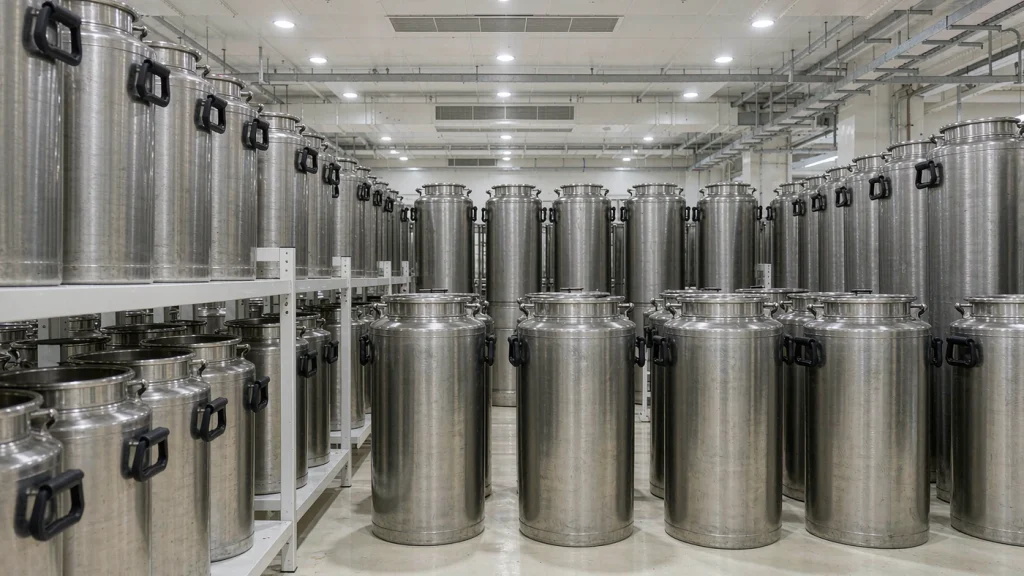
What Happens if a Cell Bank Closes?
A cell bank closing does not, by itself, mean your stored cells have been lost. Continued storage or transfer may be ...
Read MoreColumn Update
Explore practical notes on regenerative medicine, immunotherapy, precision checkups and medical travel planning in Japan.
A cell bank closing does not, by itself, mean your stored cells have been lost. Continued storage or transfer may be ...
Read More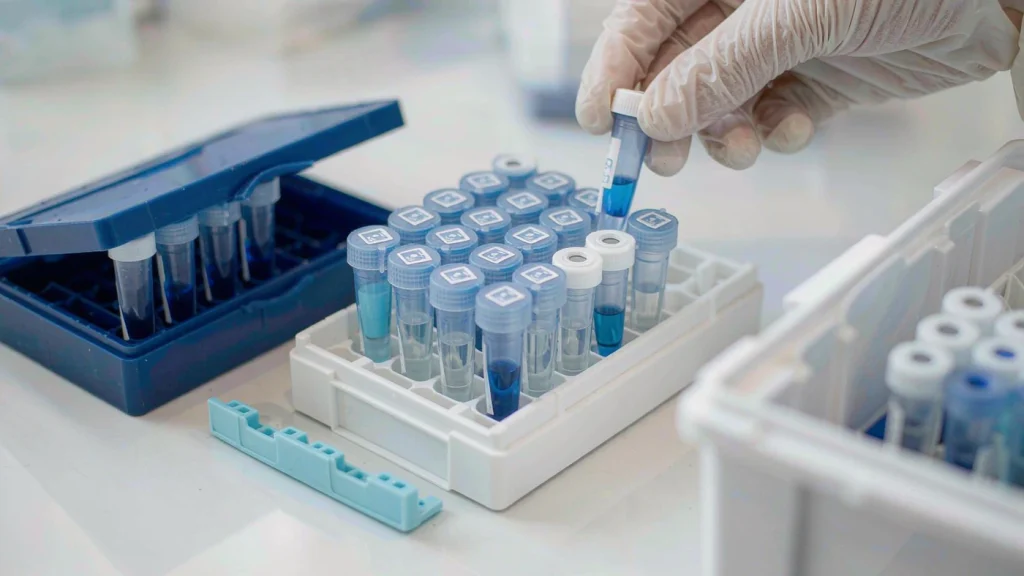
Short answer: paying for private stem-cell storage does not, by itself, give the bank permission to use your cells ho...
Read More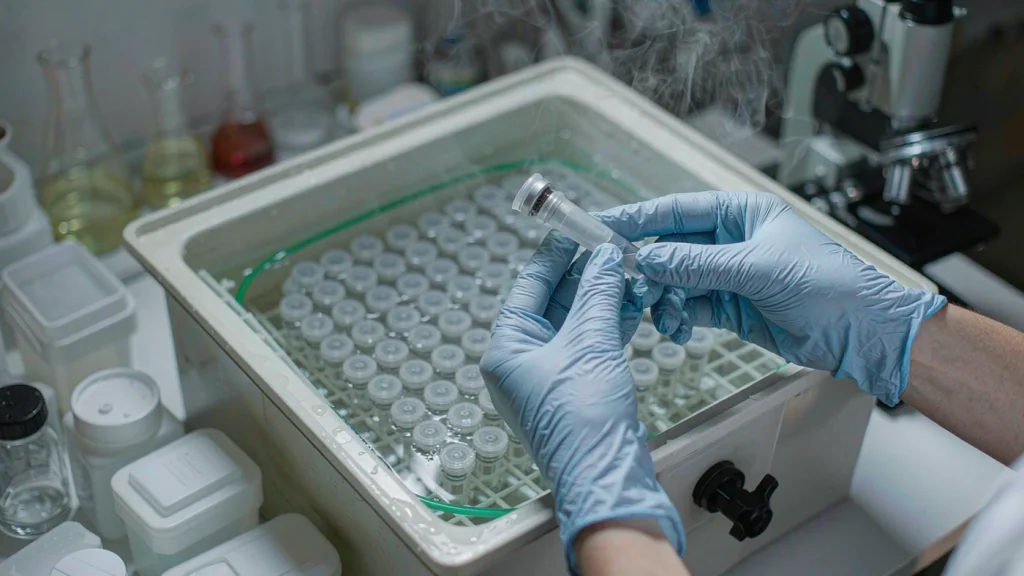
Properly cryopreserved blood-forming stem cells can remain usable for years to decades. A retrospective study of 288 ...
Read More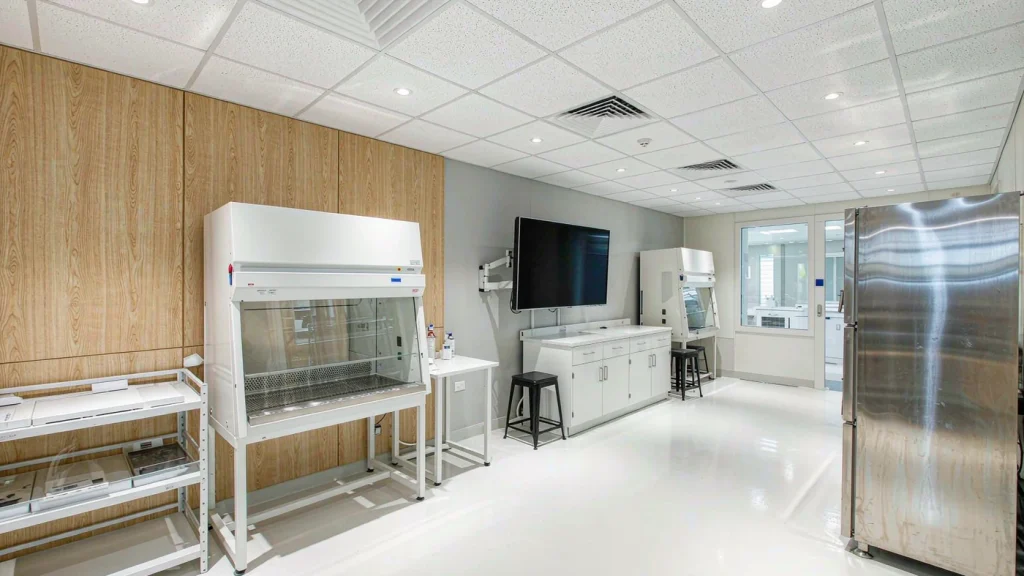
Yes. The freeze–thaw process can reduce cell viability, and some damage becomes detectable hours after thawing. The c...
Read More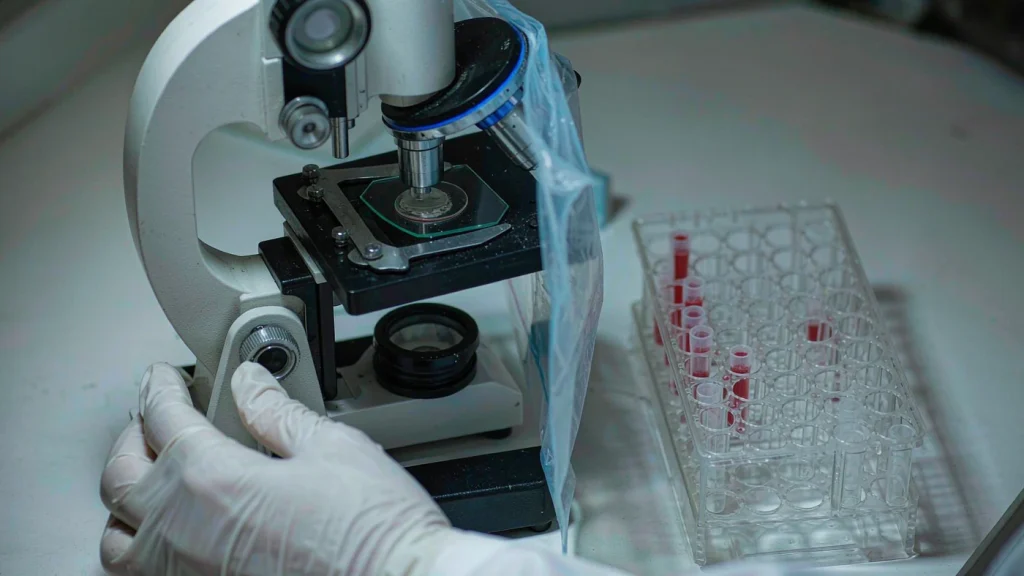
Stem cells are frozen by adding a cryoprotective solution, cooling them under controlled conditions, and transferring...
Read More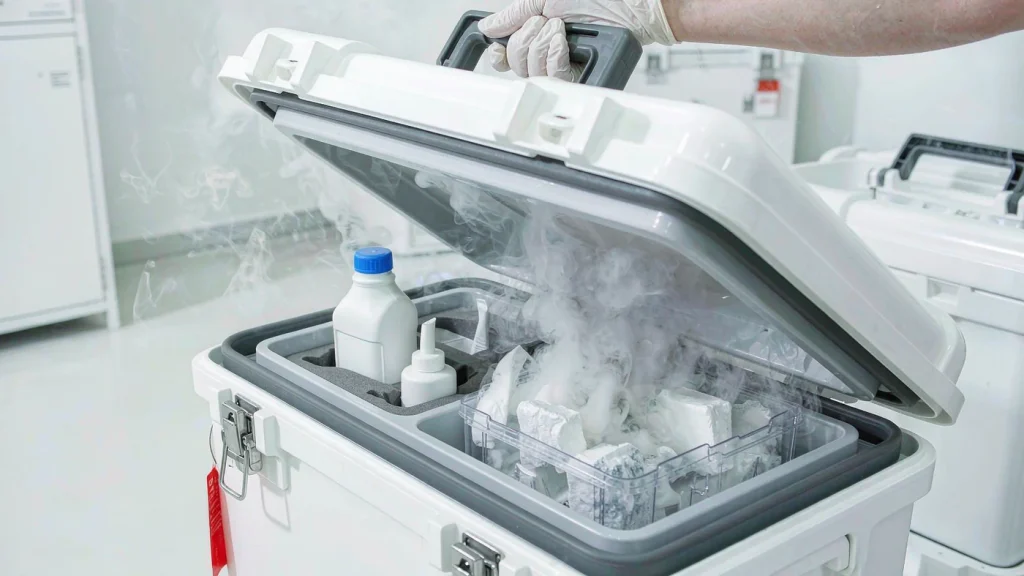
Short answer: Stem cells are transported either fresh in temperature-controlled containers or frozen in validated cry...
Read More
Not automatically. An in-house cell lab may simplify scheduling and reduce transport between sites. An outside facili...
Read More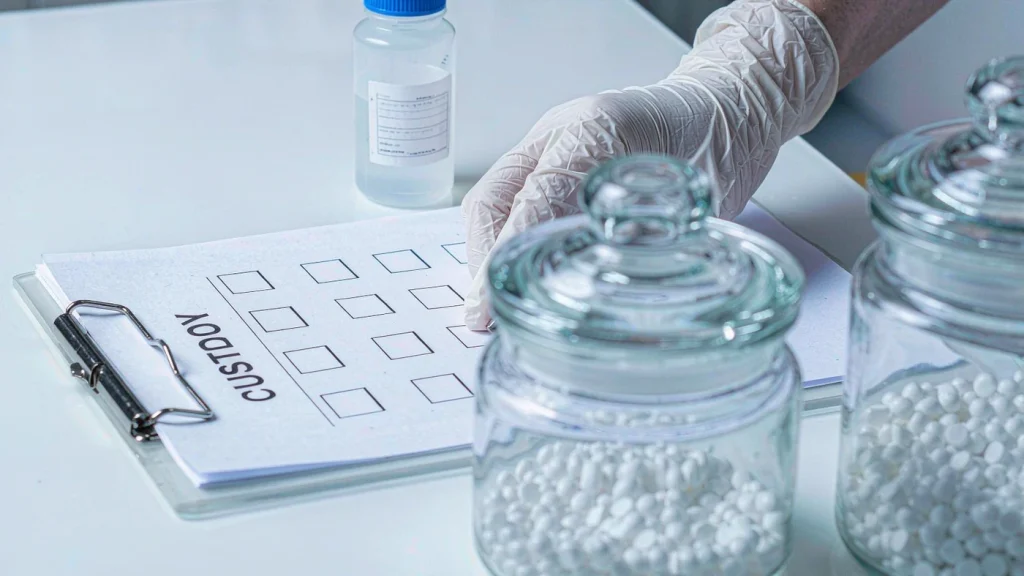
Cell chain of custody is the documented trail of who collected, handled, stored, transported, and administered a cell...
Read More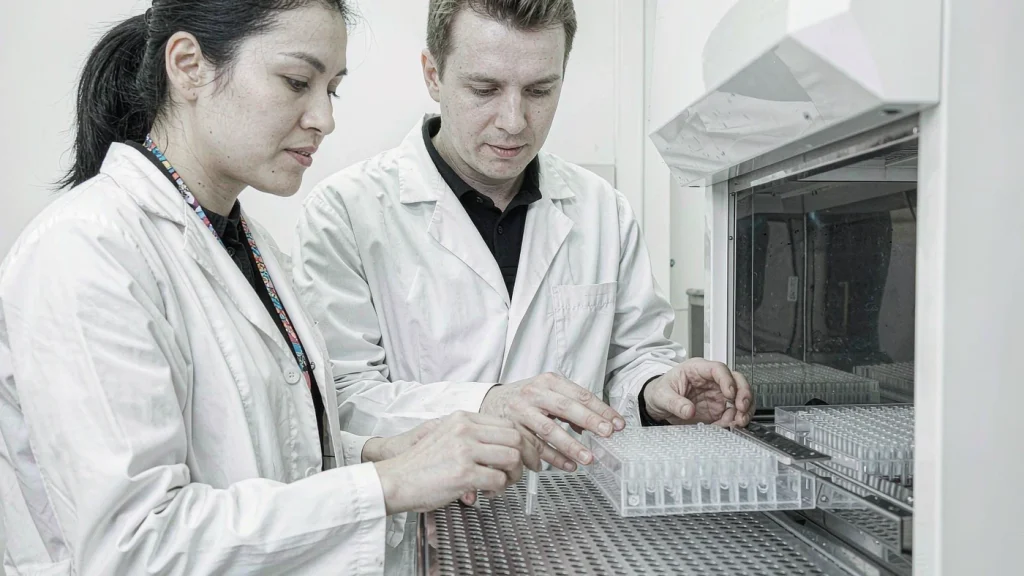
Short answer: Clinics reduce cell mix-ups by checking two patient identifiers, labeling samples at collection, keepin...
Read More
Yes. You can ask your clinic for the quality records covering the cells intended for your treatment. Start with a bat...
Read More