
For stage 0–I bladder cancer, immunotherapy usually aims to prevent recurrence and progression, often through BCG placed inside the bladder. For stage II–III disease, it may support surgery and reduce recurrence risk. For unresectable or metastatic cancer, systemic immunotherapy—often combined with another drug—aims to control the cancer and prolong survival. Low-risk early tumors usually do not need immunotherapy.[1]
The stage does not identify the right drug on its own. Previous BCG treatment, surgical eligibility, kidney function, and earlier cancer drugs also determine which immunotherapy options fit the diagnosis.
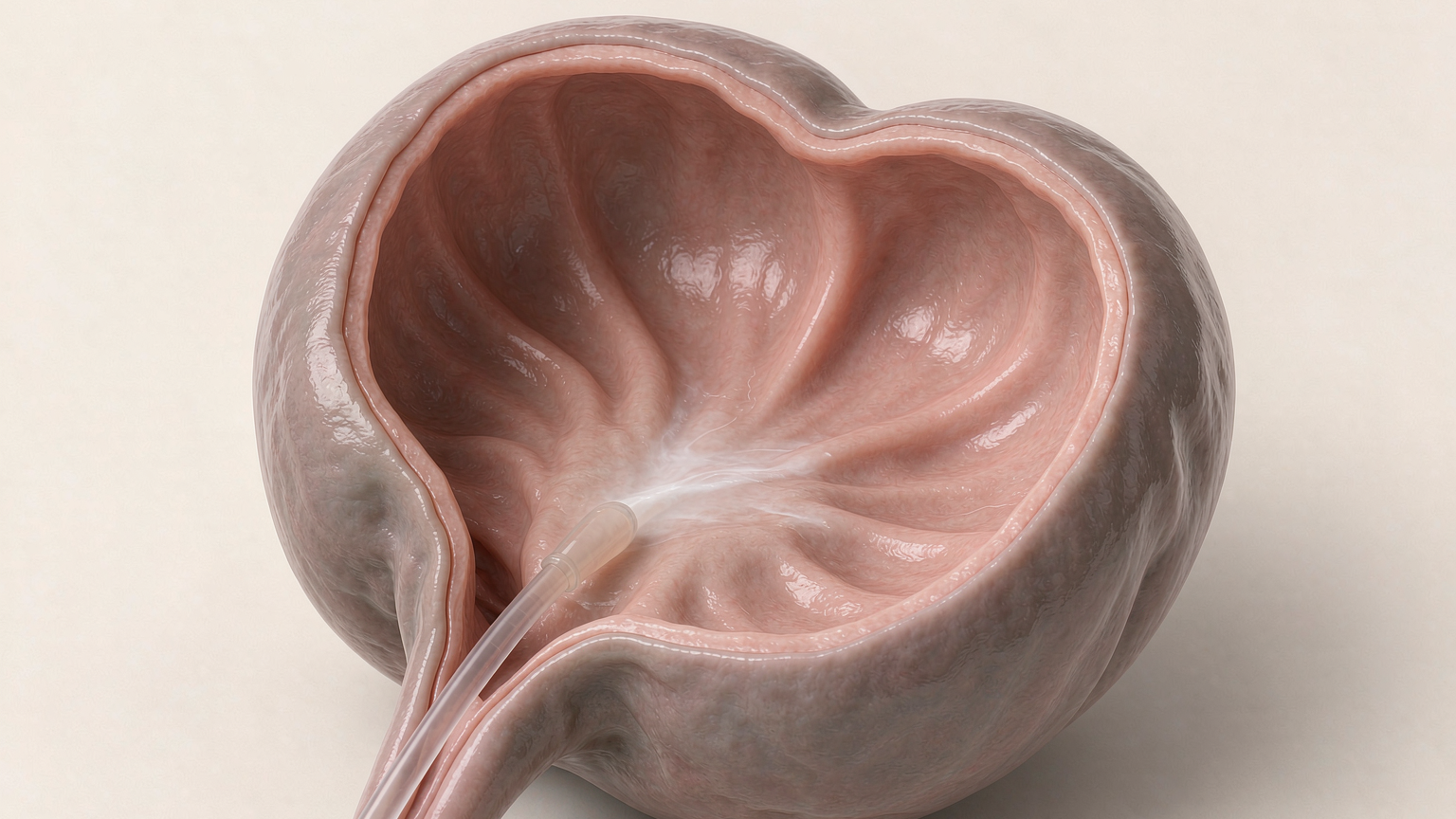
This article covers urothelial bladder cancer. Sources were checked through October 19, 2026. Approval details refer to the U.S. FDA; they do not establish approval in Japan or availability at GINZA NOA CLINIC. Other bladder cancer types may require different treatment.
Treatment by Stage
| Disease setting | Main role of immunotherapy | What determines the choice? |
|---|---|---|
| Stage 0–I, low risk | Usually none; treatment centers on tumor removal, appropriate bladder chemotherapy, and follow-up | Tumor grade, size, number, and recurrence history |
| Stage 0–I, intermediate or high risk | BCG inside the bladder; selected high-risk patients have additional immune-based options | Progression risk, previous BCG response, and suitability for bladder removal |
| Stage II–III, suitable for surgery | Systemic treatment before and after surgery, or postoperative treatment in selected patients | Resectability, cisplatin eligibility, previous treatment, and pathology |
| Unresectable or metastatic disease | Systemic combinations or maintenance after chemotherapy | Previous drugs, organ function, daily functioning, and treatment response |
Stage III can include regional lymph node involvement and needs an individual surgical assessment. Stage IV includes both some locally advanced cancers and cancers with distant spread; these are not identical treatment situations.
Stage 0–I Bladder Cancer
BCG After Tumor Removal
Most patients first undergo transurethral resection of the bladder tumor, or TURBT. Intermediate-risk patients may then receive bladder chemotherapy or BCG. High-grade T1 tumors and carcinoma in situ require assessment for BCG, other qualifying treatments, or bladder removal. Carcinoma in situ is stage 0 but is always high grade.
BCG usually starts with one bladder instillation a week for 6 weeks. The full schedule, including initial and maintenance treatment, commonly lasts about 1 year for intermediate-risk disease and 1–3 years for high-risk disease. Maintenance doses are intermittent, not weekly throughout those years.[2]
If a repeat TURBT still finds high-grade T1 cancer, or pathology shows features such as lymphovascular invasion, doctors may discuss early bladder removal rather than further bladder treatment.
BCG With Durvalumab
In May 2026, the FDA approved durvalumab with BCG for adults with high-risk non-muscle-invasive bladder cancer who had not previously received BCG. The POTOMAC trial showed improved disease-free survival compared with BCG induction and maintenance alone. The combination also introduces systemic immune-related risks, including inflammation of the lungs, liver, bowel, and thyroid.[3]
When BCG Does Not Control the Cancer
Doctors determine whether disease is BCG-unresponsive by checking the doses received, adequacy of treatment, tumor grade, and timing of recurrence. For patients with BCG-unresponsive high-risk disease who can tolerate surgery, radical bladder removal remains a standard option.
Pembrolizumab is approved for certain patients whose BCG-unresponsive high-risk cancer includes carcinoma in situ, with or without papillary tumors, and who cannot undergo or choose not to undergo bladder removal.
In the relevant KEYNOTE-057 analysis, 41% of 96 patients had a complete response. Among responders, 46% maintained that response for at least 12 months. The study was single-arm: it did not directly compare pembrolizumab with surgery. These response figures therefore do not establish a cure or equivalent long-term cancer control.[4]
Nogapendekin alfa inbakicept with BCG is another local immune-based option. In October 2026, the FDA expanded its approval to include BCG-unresponsive, high-grade papillary-only disease. This adds a different immune drug; it is not simply more BCG alone.[5]
These are selected immune-based options, not a complete list of bladder-preserving treatments. Persistent or recurrent high-grade disease—and especially growth into the bladder muscle—requires reassessment for surgery.
Stage II–III Bladder Cancer
Treatment Around Surgery
For eligible patients with muscle-invasive disease, FDA-approved options include:
- Durvalumab with gemcitabine and cisplatin before surgery, followed by durvalumab afterward. Patients must be able to receive cisplatin.[6]
- Pembrolizumab with enfortumab vedotin, or EV, before surgery, followed by the prescribed postoperative course. In July 2026, the FDA expanded this use to adults with muscle-invasive bladder cancer who are candidates for bladder removal. EV is an antibody-drug conjugate, not an immune checkpoint inhibitor.[7]
Both regimens include bladder removal. Tumor shrinkage on a scan does not establish that surgery can be omitted.
Treatment After Surgery
Some patients at high risk of recurrence qualify for nivolumab for up to 1 year. Relevant findings include cancer beyond the bladder wall, involved regional lymph nodes, or muscle-invasive cancer remaining after preoperative cisplatin. Previous treatment and eligibility for postoperative chemotherapy also matter. Nivolumab is not routinely added after another completed perioperative immunotherapy regimen.[8]
Atezolizumab is approved for adults with muscle-invasive bladder cancer who have circulating tumor DNA molecular residual disease after bladder removal, confirmed by an FDA-authorized test. Treatment can last up to 1 year. Routine blood tumor-marker tests cannot replace the required ctDNA test.[9]
Keeping the Bladder
Selected patients may receive maximal TURBT followed by radiation and concurrent chemotherapy. Doctors assess tumor removal, widespread carcinoma in situ, kidney swelling, and existing bladder function. Immunotherapy alone is not a standard replacement for this approach or bladder removal.[10]
Unresectable or Metastatic Bladder Cancer
Pembrolizumab With EV
EV-302 enrolled 886 patients who had not received systemic treatment for advanced disease. The initial analysis supporting approval reported these results.[11]
| Outcome | Pembrolizumab with EV | Platinum-based chemotherapy |
|---|---|---|
| Median overall survival | 31.5 months | 16.1 months |
| Median progression-free survival | 12.5 months | 6.3 months |
These are study results, not an individual life expectancy. The trial did not compare this combination directly with every other available regimen.
The FDA-approved combination does not require a positive PD-L1 result. In this advanced-disease regimen, pembrolizumab may continue for up to about 2 years; EV may continue until progression or unacceptable side effects. The drugs do not necessarily stop together.
Nivolumab With Chemotherapy
Patients able to receive cisplatin may be offered nivolumab with gemcitabine and cisplatin as first-line treatment. Doctors assess kidney and heart function, hearing, nerve damage, and daily functioning. Inability to receive cisplatin does not rule out every platinum-based chemotherapy option.[12]
Avelumab After Chemotherapy
Avelumab maintenance is an option when cancer has not progressed after first-line platinum-based chemotherapy. JAVELIN Bladder 100 enrolled patients after 4–6 chemotherapy cycles without progression.[13]
This is not the same as treating cancer that grows during chemotherapy. Avelumab is also not routinely added after another immunotherapy combination. Some patients may instead qualify for single-agent treatment or a clinical trial, depending on previous drugs and local approval conditions.
Follow-Up and Side Effects
For non-muscle-invasive bladder cancer, the first follow-up cystoscopy is usually scheduled 3 months after TURBT. Later visits depend on risk and findings. Doctors may also use urine cytology and biopsy.[14]
For systemic treatment, response checks use scans, symptoms, and laboratory results. Less bleeding or one improved blood test is not enough to decide that treatment can stop.
- After BCG: Report fever, chills, or marked weakness, including the temperature, symptom duration, and treatment date.
- During or after systemic immunotherapy: Contact the care team that day for new shortness of breath, persistent diarrhea, bloody stools, yellow skin or eyes, or unusual thirst and frequent urination.
- During EV treatment: Report new numbness, rash, or high blood sugar promptly.
- Seek emergency care for severe breathing difficulty, chest pain, confusion, or a widespread blistering rash.
Immune-related side effects can begin after treatment ends. Tell other clinicians the drug name and last dose date, and do not start steroids without medical advice.[15]
Preparing for a Consultation
Bring the pathology report, scan reports and images, and previous treatment records. For BCG, include dose dates and the date of any confirmed recurrence. Report organ transplants, autoimmune conditions, and immune-suppressing medicines.
Ask which finding makes you eligible for the proposed regimen, when response will be checked, and what would trigger a drug change or surgery. Confirm visit frequency and expected costs before starting.
If records will be sent to Japan for appointment coordination, the medical records policy explains their use, possible recipients, and consent arrangements.