
Not necessarily. A higher stem cell count on a clinic quote is not evidence that the treatment will work better. If you’re being asked to pay for a higher dose, ask for a human study comparing the two doses of the same product in people with your condition. Look at how much patients improved, how long the benefit lasted, and what side effects occurred.
How to Compare Cell Dose Quotes
Take a hypothetical example: one quote says “200 million cells” for two visits of 100 million each. Another lists 150 million cells for one visit. The first quote has the bigger total but the smaller amount per visit. If one quote counts all cells before freezing and the other counts only living cells after thawing, even the per-visit figures aren’t directly comparable.
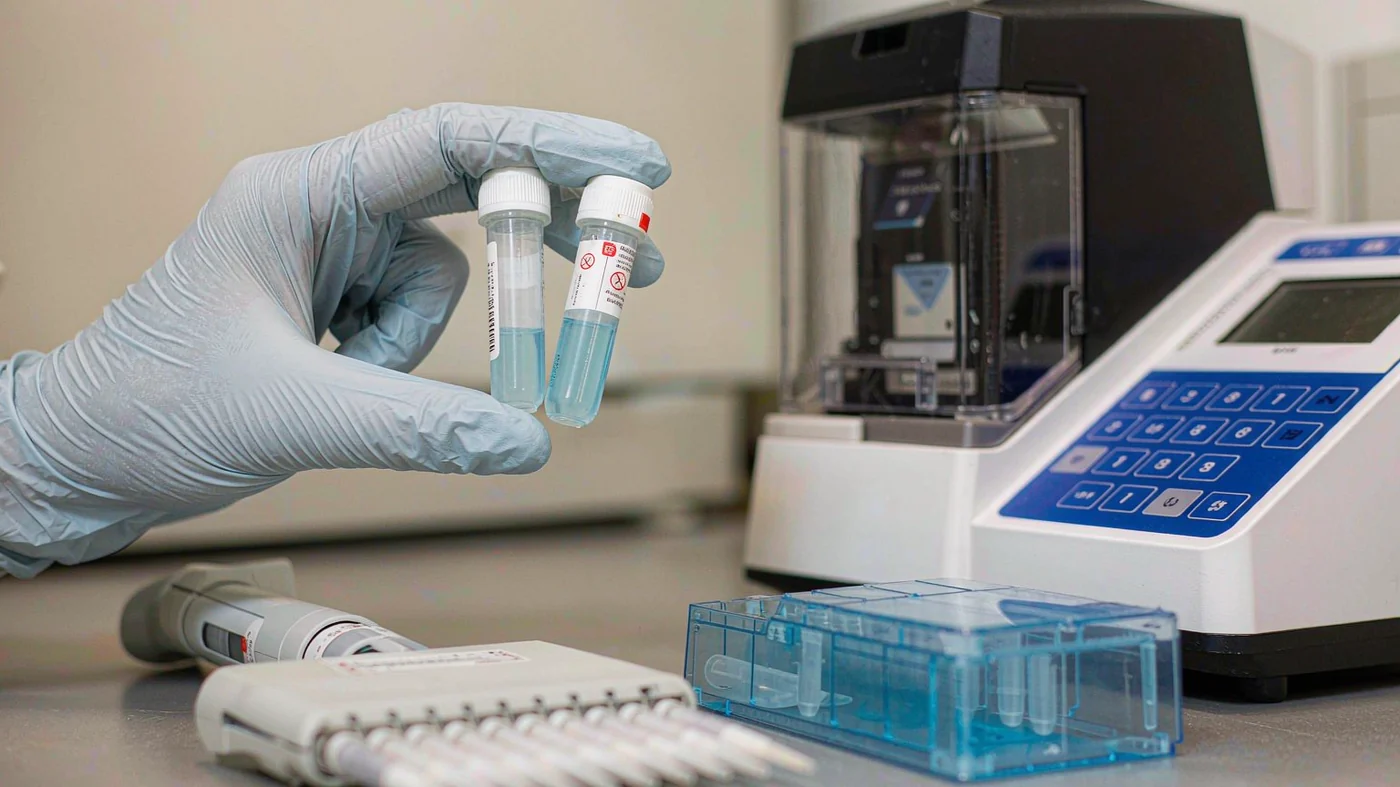
Ask for the product name, the viable (living) cell count per visit and when it was measured, whether the dose is fixed or based on body weight, and the number and spacing of visits. Confirm whether the cells come from you or a donor (autologous versus allogeneic cells) and how they’re given. A study of a vein infusion doesn’t establish what will happen with a knee injection. For mesenchymal stromal cells (MSCs), lab criteria help identify the cells; they don’t show that the product will repair tissue in a patient [1].
What a Studied Dose Can Tell You
In December 2024, the U.S. Food and Drug Administration (FDA) approved Ryoncil, a donor bone marrow–derived MSC therapy, for children aged 2 months and older with steroid-refractory acute graft-versus-host disease. This is a complication after a donor blood stem cell transplant that hasn’t responded adequately to steroids. The FDA-recommended initial course is 2 million cells per kilogram per intravenous infusion, twice a week for four weeks. Treatment may continue based on the response at day 28 [2].
The phase 3 study treated 54 children aged 7 months to 17 years. At day 28, 38 had a complete or partial response (70.4%). The median duration of response among those responders was 54 days. The main study followed patients through day 100. Viral infections, bacterial infections, fever, and bleeding were among the adverse reactions each reported in at least 20% of treated patients [3].
There was no comparison group testing a higher or lower dose. The response rate therefore doesn’t tell you whether more cells would have helped, and this approval doesn’t apply to unrelated clinic treatments.
Dose can matter in a different setting. A Norwegian hospital reviewed 189 patients with blood cancers who received peripheral blood stem cell grafts from siblings. In that retrospective study, an intermediate dose of 6 to 7 million CD34-positive cells per kilogram was associated with better survival and lower transplant-related mortality. The study didn’t randomly assign doses, and a blood stem cell graft is not an MSC infusion. Those numbers are not dosing targets for a private clinic [4]. For context, the regenerative medicine overview describes the broader range of interventions.
What a Clinic Filing Does Not Prove
The U.S. FDA warns that a company registration or a ClinicalTrials.gov listing does not establish that a regenerative medicine product can be legally marketed in the United States. The agency has also received reports of serious harms from unapproved products, including infections and tumor formation. Those reports don’t tell you how risk changes with dose; ask for safety data on the regimen you’re considering [5].
Japan regulates the provision of regenerative medicine under the Act on the Safety of Regenerative Medicine and regulates regenerative medicine products under a separate law, the Pharmaceuticals and Medical Devices Act [6]. For care covered by the provision framework, the clinic must seek a certified committee’s opinion and submit a provision plan to the health ministry in advance. That filing is not product approval or evidence that a larger dose works better [7].
What to Ask Before Paying for More
| Clinic claim | What to ask for |
|---|---|
| “More cells work better” | Ask for a published human study comparing the two doses of the same product for your condition, using the same route and schedule. Find out what improved and for how long. |
| “The higher dose is just as safe” | Ask how many people in each group had side effects and how long they were followed. Ask who handles complications after you return home. See also the guide to cell therapy safety in Japan. |
| “The premium package is better value” | Request an itemized price for the whole course, including tests and follow-up. A per-visit price isn’t comparable with a course price without that breakdown. See how stem cell treatment costs are quoted in Japan. |
If the clinic can’t show that the higher dose offers a meaningful benefit, the cell count alone isn’t a reason to pay more. Take the written quote and any studies to your treating doctor. If you’re considering care abroad, use the treatment process in Japan to plan which records to request before you travel. This guide is not personal medical advice. Don’t stop prescribed treatment or change a prescribed dose on your own.
Need the details of a cell therapy quote in writing?
Ask the patient support team for the product, cell count per visit, route, and schedule to discuss with your treating doctor.
Contact the Patient Support Team