
What Do Human Trials Show?
A randomized phase 2a trial tested laromestrocel, a donor-derived mesenchymal stem cell product, in mild Alzheimer’s. It met its main safety endpoint and reported encouraging clinical and brain-imaging findings. That is enough to justify more research, but not enough to say the treatment reliably restores memory or helps people with advanced dementia.[3]
Another trial, published in 2025, delivered cells into a fluid-filled space in the brain. Here is what the study actually looked like:
| Study detail | Reported information |
|---|---|
| Participants | 36 |
| Stem cell group | 24 participants |
| Saline placebo group | 12 participants |
| Planned schedule | Three injections, four weeks apart |
| Main cognitive assessment period | 24 weeks |
| Clinical result | No significant clinical benefit |
Some cerebrospinal-fluid markers changed, but the study did not show a matching clinical benefit. One participant also chose not to receive the third injection after experiencing nausea.[4]
A lab marker can move without a person remembering more or needing less help at home. Those are not the same outcome.
Testimonials have the same problem. They cannot reliably separate a treatment effect from expectations, other care, or the natural ups and downs of symptoms.[5]
Does Slower Decline Mean Memory Improved?
No. A person can decline more slowly and still be getting worse. The example below is only a hypothetical calculation, not a stem cell trial result. In this example, higher scores mean worse symptoms:
| Group | Starting score | Follow-up score | Worsening |
|---|---|---|---|
| Placebo | 10 | 14 | 4 points |
| Treatment | 10 | 13 | 3 points |
The treatment group worsened by one point less: (4 − 3) ÷ 4 × 100 = 25% less worsening. That does not mean memory improved by 25%. Both groups still worsened. Whether that one-point difference matters depends on the scale and the clinical context.
Trying to make sense of a study or treatment claim?
Send GINZA NOA CLINIC the product or procedure name and the public study link. Tell us what you want clarified—memory, day-to-day function, side effects, or something else—and we can help you frame the right questions.
Which Stem Cells and Procedure Are Being Offered?
An infusion does not simply turn into working brain tissue. Stem cells are not interchangeable, and blood-forming stem cells do not automatically become brain cells after transplantation.[6]
A useful first step is to separate autologous and allogeneic stem cells. Autologous cells come from the patient; allogeneic cells come from a donor. That tells you where the cells came from, not whether they work for Alzheimer’s.
| Detail | What to request |
|---|---|
| Source | Tissue source and exact cell type |
| Preparation | How cells are collected, grown, identified, and tested |
| Delivery | Intravenous infusion, spinal-fluid injection, or brain administration |
| Schedule | Cells per dose, number of sessions, and intervals |
| Evidence | Published human results for that product and procedure |
The ISSCR recommends checking the cell source, preparation, delivery method, and supporting research before considering an experimental intervention.[7]
For a treatment offered in Japan, identify the cell processing center and ask for the relevant quality documents. Good processing standards tell you something about product quality. They do not, by themselves, prove clinical benefit.
What Side Effects Have Been Reported?
The brain-ventricle injection trial reported the following events among participants:
| Event | Stem cells: 24 patients | Placebo: 12 patients |
|---|---|---|
| Fever above 37.5°C | 21/24 (87.5%) | 0/12 (0%) |
| Headache | 22/24 (91.7%) | 3/12 (25%) |
| Nausea | 21/24 (87.5%) | 4/12 (33.3%) |
| Vomiting | 20/24 (83.3%) | 2/12 (16.7%) |
These numbers belong to this one protocol. They should not be used as risk estimates for intravenous treatment or for every stem cell product.[8]
The FDA has reported infections, unwanted immune reactions, neurological problems, and tumor formation with unapproved regenerative products used across different conditions. Those reports show possible harms; they do not give an Alzheimer’s-specific complication rate.[9]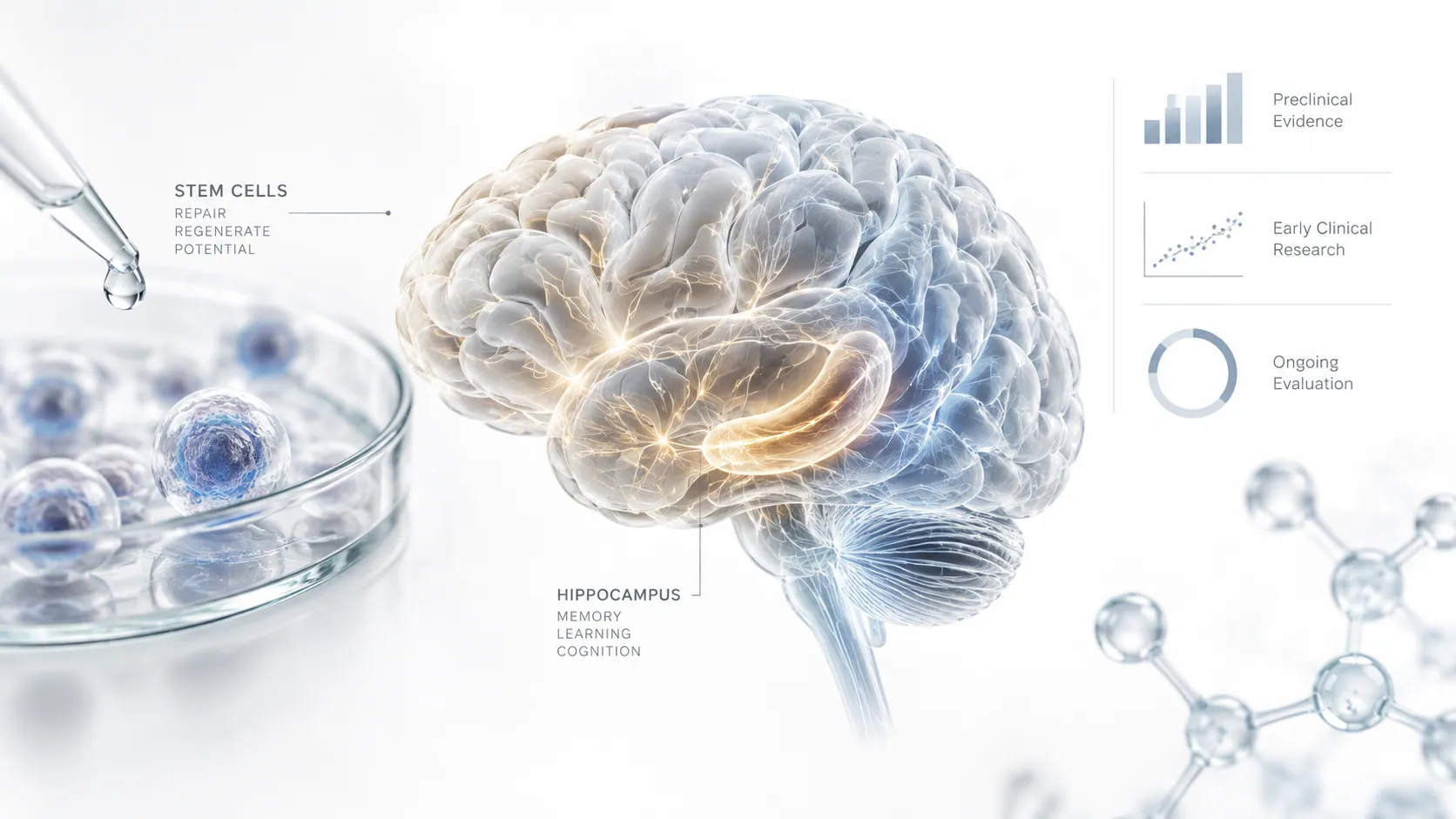
Is Stem Cell Therapy for Alzheimer’s Approved?
No stem cell therapy is FDA-approved for Alzheimer’s. FDA registration for a company, or a listing on ClinicalTrials.gov, is not the same as product approval.[10]
Japan also separates the provision of regenerative medicine from the commercial approval of regenerative medical products. A registered treatment plan should not be read as marketing approval for an Alzheimer’s product. [11]
When checking regenerative medicine registration in Japan, look at what each document actually covers:
- Facility: the clinic and cell-processing location.
- Plan or study: the exact procedure, provider, and applicable oversight.
- Product approval: the product name and approved indication, if such approval is claimed.
A clinic may be allowed to provide or study a procedure without having proof that the procedure improves memory. Those are different questions.
Not sure what a Japanese registration document actually proves?
Send us the provider name, public plan number, or product name. We can help you identify which official records relate to treatment-plan registration and which relate to product approval. Take those records to your physician before making a decision.
What Established Options Should Be Reviewed First?
Ask the treating clinician to review current symptom medicines first. Donepezil, rivastigmine, galantamine, and memantine all have established roles in Alzheimer’s care, depending on disease stage and the individual patient. None of them cures the disease.[12]
For early Alzheimer’s, approved amyloid-targeting treatment may also be worth discussing. The trial supporting donanemab enrolled 1,736 participants and measured clinical outcomes at 76 weeks. That shows the scale of the evidence behind the approval; it is not a head-to-head comparison with stem cells.[13]
Donanemab can cause brain swelling and bleeding, and those complications can sometimes be serious. A specialist needs to judge eligibility and individual risk. Approval does not mean the drug is right for everyone.[14]
Finally
Current evidence does not support paying for stem cell treatment with the expectation that lost memory will come back. A supervised clinical trial is a research option that can be discussed with the treating team.
Preparing for a consultation in Japan?
Tell us whether you need help with the evidence, provider documents, or the visit schedule. We can point you to the relevant published information and preparation guides. A licensed physician still has to decide whether the treatment is medically suitable.
Where treatment is provided
GINZA NOA CLINIC, Ginza, Tokyo
This article was written and medically reviewed at GINZA NOA CLINIC. The photographs below were taken inside the clinic in Chuo-ku, Tokyo.

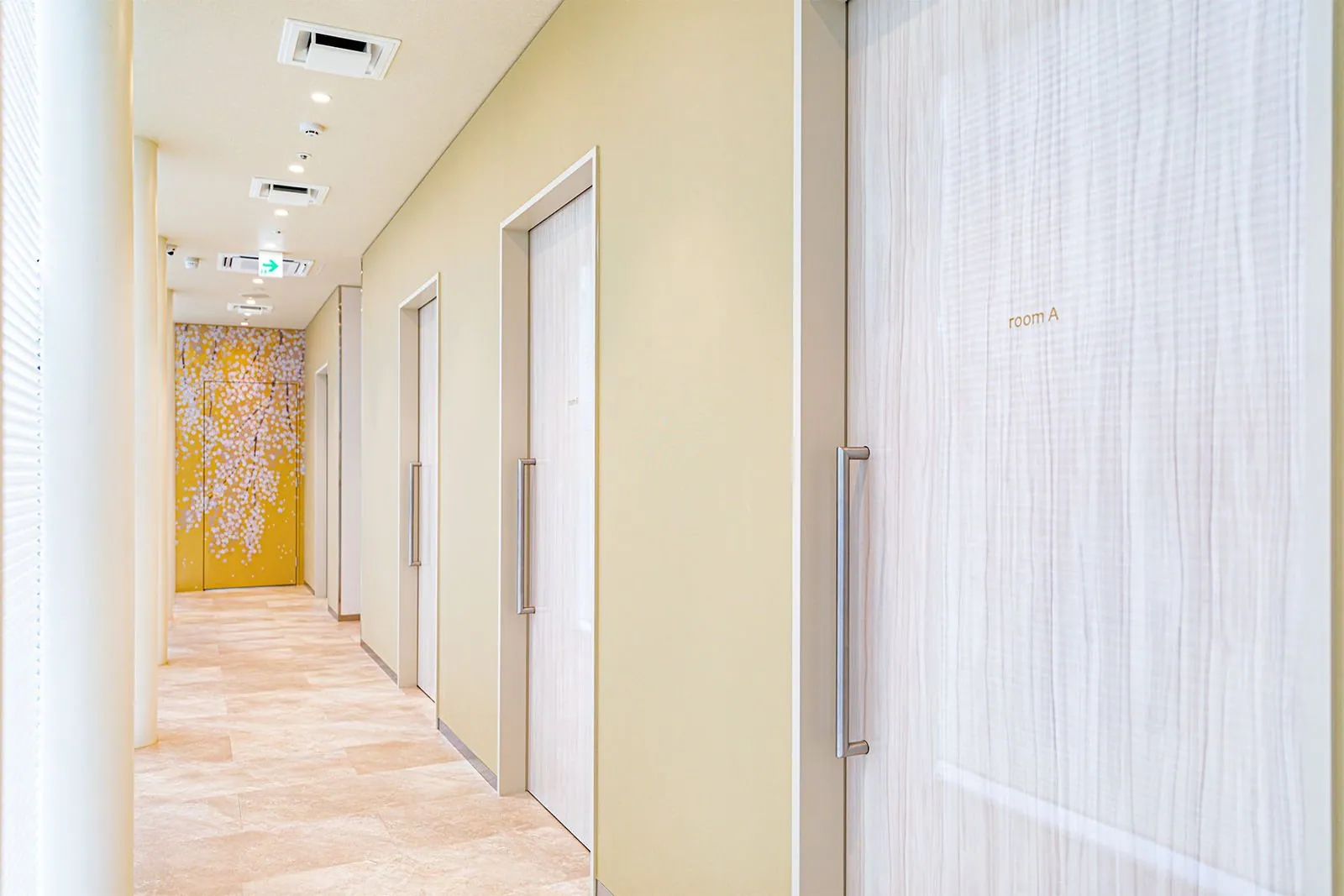
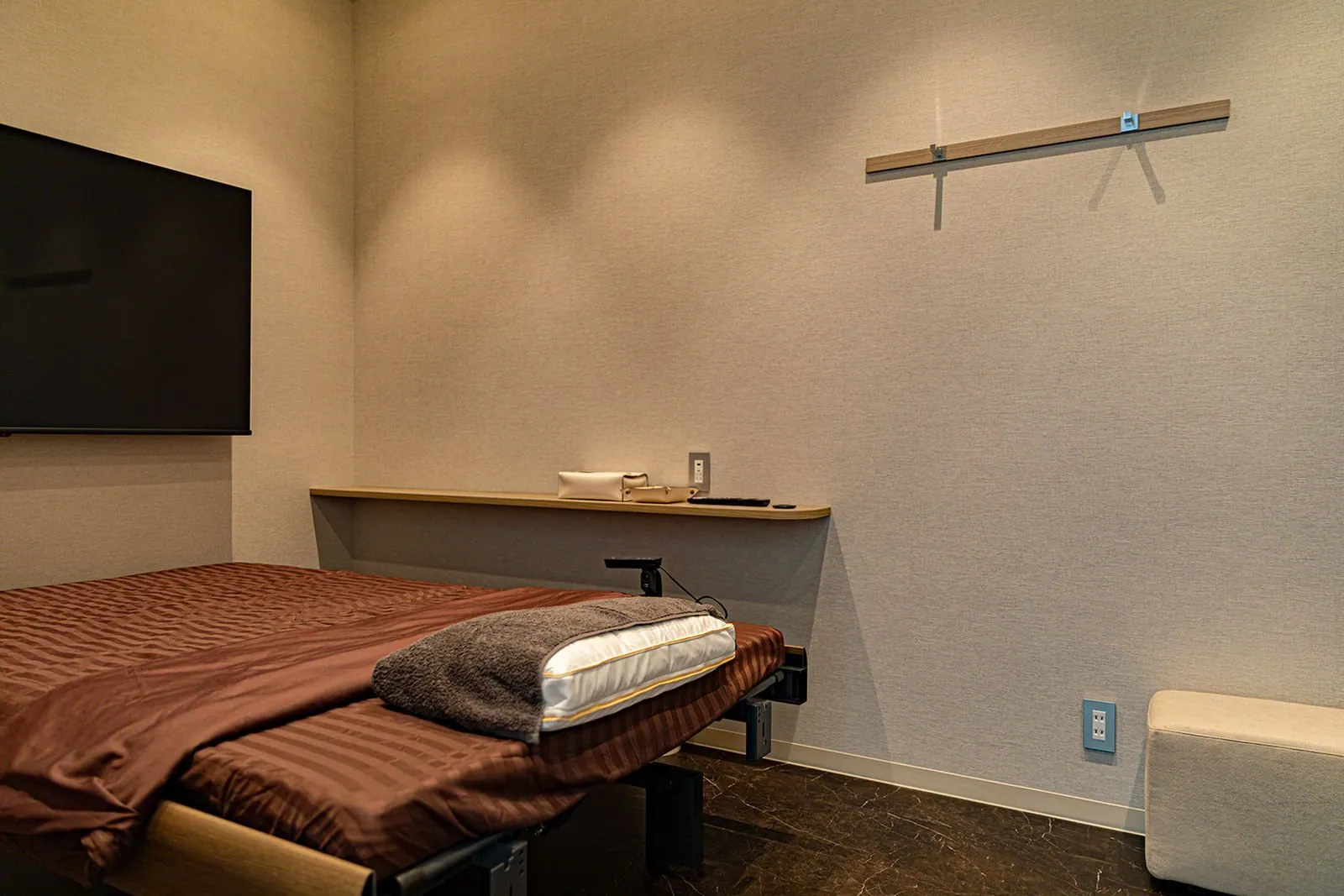
Royal Crystal Ginza 3F, 5-4-6 Ginza, Chuo-ku, Tokyo 104-0061
3 min from Tokyo Metro Ginza Station (Exit B6); 5 min from JR Yurakucho Station
In-house CPC, facility number FC3250034
WhatsApp +81-8070161366 · LINE +81-8075357788
Medically reviewed by Ryosuke Tanabe, MD (Director, GINZA NOA CLINIC) with Kotaro Yoshimura, MD, PhD (Professor of Plastic Surgery, Jichi Medical University) as technical advisor. Last reviewed 30 September 2026. Every treatment carries risks — ask what they mean for your case at the consultation. Registration and credentials · How we review content