
Stem cell therapy has not been proven to regrow nerves damaged by diabetic neuropathy. A 2024 review of 7 controlled studies involving 400 patients found average improvements of 2.2 m/s in motor nerve conduction and 1.9 m/s in sensory conduction. Another randomized trial found no significant increase in skin nerve-fiber density. So far, the evidence points to possible functional improvement, not proven nerve regeneration.[1]
Up to half of people with diabetes develop peripheral neuropathy. High blood glucose and high blood fats can damage both peripheral nerves and the small blood vessels that feed them.[2]
What Counts as Nerve Repair?
Less pain, better nerve function, and actual nerve regrowth are three different things.
- Less pain: symptoms improved.
- Faster nerve conduction: electrical function improved.
- Better vibration or pressure sensation: sensory function improved.
- Higher nerve-fiber density: stronger evidence of structural change.
A patient can feel better or have faster nerve conduction without growing back nerve fibers that were already lost.
The regenerative medicine evidence overview makes the same distinction between symptom relief, functional recovery, and actual tissue regeneration.
Can Diabetic Nerve Damage Be Reversed Today?
The 2026 American Diabetes Association states that there is currently no specific treatment that reverses the underlying nerve damage caused by diabetes. Good glucose management can prevent or delay neuropathy in type 1 diabetes and may modestly slow progression in type 2 diabetes. It does not restore neurons that have already been lost.[3]
Why Are Stem Cells Being Studied?
Researchers are studying several possible effects, including angiogenic, anti-inflammatory, and neurotrophic signaling. In simple terms, these signals may support blood vessels and surviving nerve tissue. Most detailed mechanism data still come from laboratory and animal work, though. A plausible mechanism is not proof that human nerves regenerate.[4]
What Have Human Studies Actually Found?
A 2024 systematic review screened 5,431 records but included only 7 controlled studies in the final analysis. Together, those studies covered 400 patients.[5]
| Outcome | Average Change | 95% Confidence Interval |
|---|---|---|
| Motor nerve conduction velocity | +2.2 m/s | +1.6 to +2.8 m/s |
| Sensory nerve conduction velocity | +1.9 m/s | +1.1 to +2.6 m/s |
| Vibration perception threshold | −2.9 V | −4.0 to −1.8 V |
| Toronto Clinical Scoring System | −3.6 points | −5.0 to −2.2 points |
Six studies came from China and one from Egypt. Five used bone marrow-derived mononuclear cells, while two used umbilical cord-derived mesenchymal stem cells. All but one delivered the cells by intramuscular injection.[6]
Three studies were judged to have a low risk of bias. Four raised concerns. The protocols were also different in cell source, dose, route, follow-up time, and patient characteristics.[7]
A pooled gain of 2.2 m/s does not tell an individual patient what will happen. Nerve-conduction results also change with the nerve being tested, age, limb temperature, disease severity, and testing technique.
Have nerve-conduction or EMG results?
Send your diabetes type, diagnosis year, recent HbA1c, symptom duration, nerve-conduction or EMG report, current medication, foot-ulcer history, and any stem-cell proposal you already have. GINZA NOA CLINIC can organize the records and prepare the unanswered questions for communication with a medical provider in Japan.
A Randomized Trial Found No Increase in Nerve-Fiber Density
A phase 2a randomized placebo-controlled trial enrolled 26 people with diabetic peripheral neuropathy. It tested PDA-002, a placenta-derived mesenchymal stromal-like cell product.
Patients received 3 million cells, 30 million cells, or placebo by intramuscular injection on days 1, 29, and 57. Researchers then followed intraepidermal nerve-fiber density for up to 1 year.[8]
The study found no significant improvement in intraepidermal nerve-fiber density. It also found no significant improvement in NIS-LL, NTSS-6, or UENS neurological scores.[9]
PDA-002 was not the same product used in the studies included in the 2024 meta-analysis, so the findings are not a simple contradiction. They do show something useful: a treatment can make biological sense on paper and still fail to produce measurable nerve recovery in patients.
Cell Source Changes the Evidence
DPN studies have used bone marrow-derived mononuclear cells, umbilical cord-derived mesenchymal stem cells, and placenta-derived stromal-like cells. These are not interchangeable products. Their cell populations, processing methods, doses, and delivery protocols differ.
Autologous cells come from the patient. Allogeneic cells come from a donor. Neither approach has been proven superior for diabetic peripheral neuropathy.
Evidence for one product does not prove that another will work. The autologous vs. allogeneic stem cell guide explains the differences in cell source, processing, immune considerations, and quality control.
Who Is Most Likely to Respond?
There are no validated clinical criteria that can currently tell us who will respond to stem-cell treatment for DPN.
Future trials still need to answer whether baseline nerve function, neuropathy severity, disease duration, vascular status, cell type, dose, and administration route change the chance of response.
The stem cell indications and contraindications guide explains why having a diagnosis does not automatically make someone eligible for a particular cell-based treatment.
Confirm That Diabetes Is Actually Causing the Neuropathy
Diabetic peripheral neuropathy is a diagnosis of exclusion. The ADA lists other possible causes, including alcohol exposure, chemotherapy, vitamin B12 deficiency, hypothyroidism, kidney disease, malignancy, infections, chronic inflammatory demyelinating neuropathy, inherited neuropathies, and vasculitis.[10]
Vitamin B12 deficiency deserves particular attention in people who have used metformin for a long time.[11]
When Should Diabetic Neuropathy Screening Start?
- Type 2 diabetes: start at diagnosis.
- Type 1 diabetes: start 5 years after diagnosis.
- After that: assess at least once a year.
The ADA recommends temperature or pinprick testing for small-fiber function and a 128-Hz tuning fork for vibration sensation. Annual 10-g monofilament testing is used to identify feet at risk of ulceration and amputation.[12]
The 10-g monofilament is mainly useful for detecting loss of protective sensation and more advanced DPN. It should be combined with at least one other neurological assessment rather than used alone to rule out early disease.[13]
When Are EMG or Nerve-Conduction Tests Needed?
People with a typical pattern of diabetic peripheral neuropathy usually do not need EMG or nerve-conduction studies just to confirm the diagnosis.
Further neurological testing makes more sense when symptoms are acute or subacute, strongly asymmetric, mainly motor, non-length-dependent, or otherwise unusual for diabetic neuropathy.[14]
Rapid weakness, sudden foot drop, or a big difference between the left and right sides should not automatically be blamed on diabetes.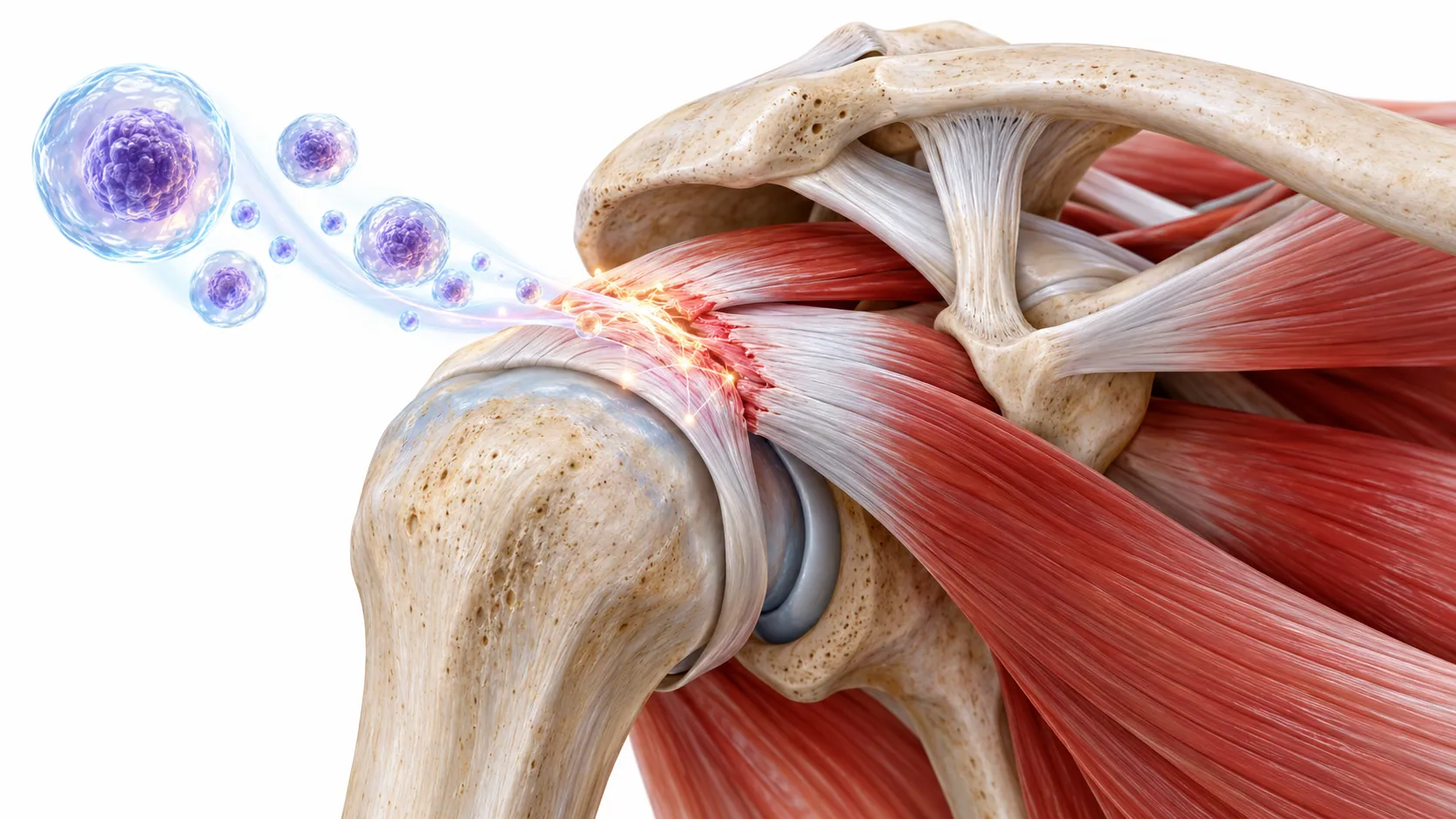
What Treatments Are Supported Now?
The ADA recommends glucose management to prevent or delay neuropathy in type 1 diabetes and to slow progression in type 2 diabetes. Managing weight, blood pressure, and lipids is also recommended to reduce risk or slow progression.[15]
Recommended initial medication classes for painful DPN include:
- gabapentinoids;
- serotonin-norepinephrine reuptake inhibitors;
- tricyclic antidepressants;
- sodium-channel blockers.
The ADA advises against routine use of opioids, including tramadol and tapentadol, for diabetic neuropathic pain because of adverse-event risk, except in rare circumstances.[16]
Numbness Can Increase Foot-Ulcer Risk
Up to 50% of DPN cases may have no obvious symptoms. Someone can lose protective sensation even if they do not have strong burning, tingling, or pain.[17]
In evidence cited by the ADA, peripheral sensory neuropathy was a component cause in 78% of people with diabetes who developed foot ulcers. Sensory neuropathy combined with minor trauma and foot deformity was present in more than 63%.[18]
So less burning pain does not automatically mean protective sensation has returned.
People with sensory loss, a previous ulcer, or an amputation history should have their feet checked at every clinical visit. Everyone with diabetes should receive a comprehensive foot examination at least once a year.[19]
Stem Cell Therapy for Neuropathy Is Not the Same as Cell Therapy for Diabetes
DPN stem-cell studies usually look at nerve conduction, sensation, neurological scores, pain, or nerve-fiber density. Cell-replacement studies for diabetes may instead measure C-peptide, HbA1c, insulin requirements, severe hypoglycemia, or time in range.
A treatment that changes insulin production has not automatically repaired peripheral nerves. The reverse is also true: better nerve conduction does not mean diabetes has been reversed.
The diabetes cell-therapy guide separates donor pancreatic islets, stem-cell-derived islet approaches, and other experimental cell therapies.
Is Stem Cell Therapy for Diabetic Neuropathy FDA-Approved?
The FDA’s current list of approved cellular and gene therapy products does not include a product approved for diabetic peripheral neuropathy.[20]
“FDA registered,” “FDA listed,” and “manufactured in an FDA-registered facility” are not the same as FDA approval for DPN treatment.
The FDA also states that company registration or a ClinicalTrials.gov listing does not prove that an unapproved regenerative product is legally marketed or clinically effective.[21]
What Is Different in Japan?
Japan regulates regenerative medicine through more than one legal route. The PMD Act covers commercialization of regenerative medical products. A separate safety framework regulates regenerative medicine provided in clinical practice and research.[22]
A treatment plan filed under Japan’s regenerative medicine safety framework is not the same as PMDA marketing approval for a particular product and indication.
No regenerative medical product approved specifically for diabetic peripheral neuropathy was identified in the current PMDA approved-product records.[23]
PMDA approval belongs to a named product and indication, not to “stem cell therapy” as a broad category.
The Japan regenerative medicine registration and compliance guide explains the difference between these routes.
Already have a treatment plan or quotation from Japan?
Send the treatment name, cell source, dose, route, number of sessions, regulatory wording, quoted outcome, and total cost. GINZA NOA CLINIC can organize the information and prepare questions about the evidence, regulatory route, records, and follow-up before communication with an independent medical provider.
What Risks Have Been Reported?
In the 7 DPN studies included in the 2024 review, the treatment-related problems reported most often were injection-site pain and swelling. They generally settled within several days.[24]
Those small studies cannot establish long-term safety. They also cannot tell us the safety of every commercial cell product. Risk changes with cell source, donor screening, processing, sterility, dose, route, patient health, and follow-up.
Separately, the FDA has received reports of serious problems involving different unapproved regenerative medicine products, including infections, blindness, neurological events, and tumor formation. Those reports did not come specifically from the 7 DPN studies.[25]
Autologous cells are not automatically risk-free either. Collection, processing, storage, and administration each introduce their own risks.
The Japan stem cell safety guide lists the product, processing, administration, regulatory, and follow-up details worth checking for a specific treatment.
What Should You Ask Before Paying?
Get the important details in writing:
- Diagnosis and stage: exactly what condition is being treated?
- Cell product: what is the cell type, tissue source, and autologous or donor-derived status?
- Processing: how are the cells prepared, cultured, stored, and tested?
- Protocol: what dose, administration route, number of treatments, and schedule will be used?
- Evidence: which human DPN study tested a comparable product and protocol?
- Outcome: what objective measure will be checked, and when?
- Safety: what adverse events are monitored, and what follow-up is included?
- Regulatory status: is this a PMDA-approved product, a Japan provision-plan route, clinical research, or something else?
- Total cost: what is included, excluded, repeated, or billed separately?
More cells do not automatically mean a better result. The PDA-002 trial compared 3 million with 30 million cells, a tenfold difference, and still found no significant increase in nerve-fiber density.[26]
What Would Convincing Evidence of Nerve Repair Look Like?
Strong evidence would show several different outcomes improving together:
- better nerve conduction;
- better vibration, temperature, or protective sensation;
- better neurological examination scores;
- higher nerve-fiber density or another structural measure;
- better walking, balance, or daily function;
- benefit lasting at least 12 months.
No current stem-cell protocol has consistently shown that full pattern in diabetic peripheral neuropathy.
What Records Should You Prepare?
- diabetes type and year of diagnosis;
- recent HbA1c results;
- neuropathy onset and symptom pattern;
- neurological examination findings;
- nerve-conduction or EMG reports, if available;
- foot-ulcer or amputation history;
- vascular studies, if relevant;
- kidney function;
- vitamin B12 results, if available;
- current diabetes medication;
- current neuropathic-pain medication;
- previous neuropathy treatments;
- the complete proposed cell-therapy protocol or quotation.
The stem cell treatment process in Japan covers the records, regulatory details, costs, outcome measures, and follow-up information to clarify before travel.
When Should You Seek Medical Assessment Quickly?
Rapidly worsening weakness, sudden foot drop, a marked difference between the left and right sides, mainly motor symptoms, or symptoms that do not follow the usual feet-first pattern should be assessed for causes other than typical DPN.[27]
A foot ulcer, spreading redness, drainage, black tissue, major swelling, or fever with a foot wound also needs prompt medical assessment. Neuropathy can dull the pain that would normally warn someone that a foot injury is getting worse.[28]
Finally
Stem cell therapy for diabetic neuropathy remains experimental. Human studies have shown modest improvements in nerve conduction, but they have not established reliable regrowth of damaged nerves. Before considering treatment, check the exact cell product, the human DPN evidence behind it, the treatment goal, safety follow-up, and regulatory status.[29]
Medical information notice: This article provides general medical information. It does not diagnose diabetic neuropathy, determine eligibility for stem cell treatment, or replace care from a licensed medical professional. Do not stop insulin, glucose-lowering medication, neuropathic-pain medication, foot care, or other prescribed treatment without medical advice.
Where treatment is provided
GINZA NOA CLINIC, Ginza, Tokyo
This article was written and medically reviewed at GINZA NOA CLINIC. The photographs below were taken inside the clinic in Chuo-ku, Tokyo.


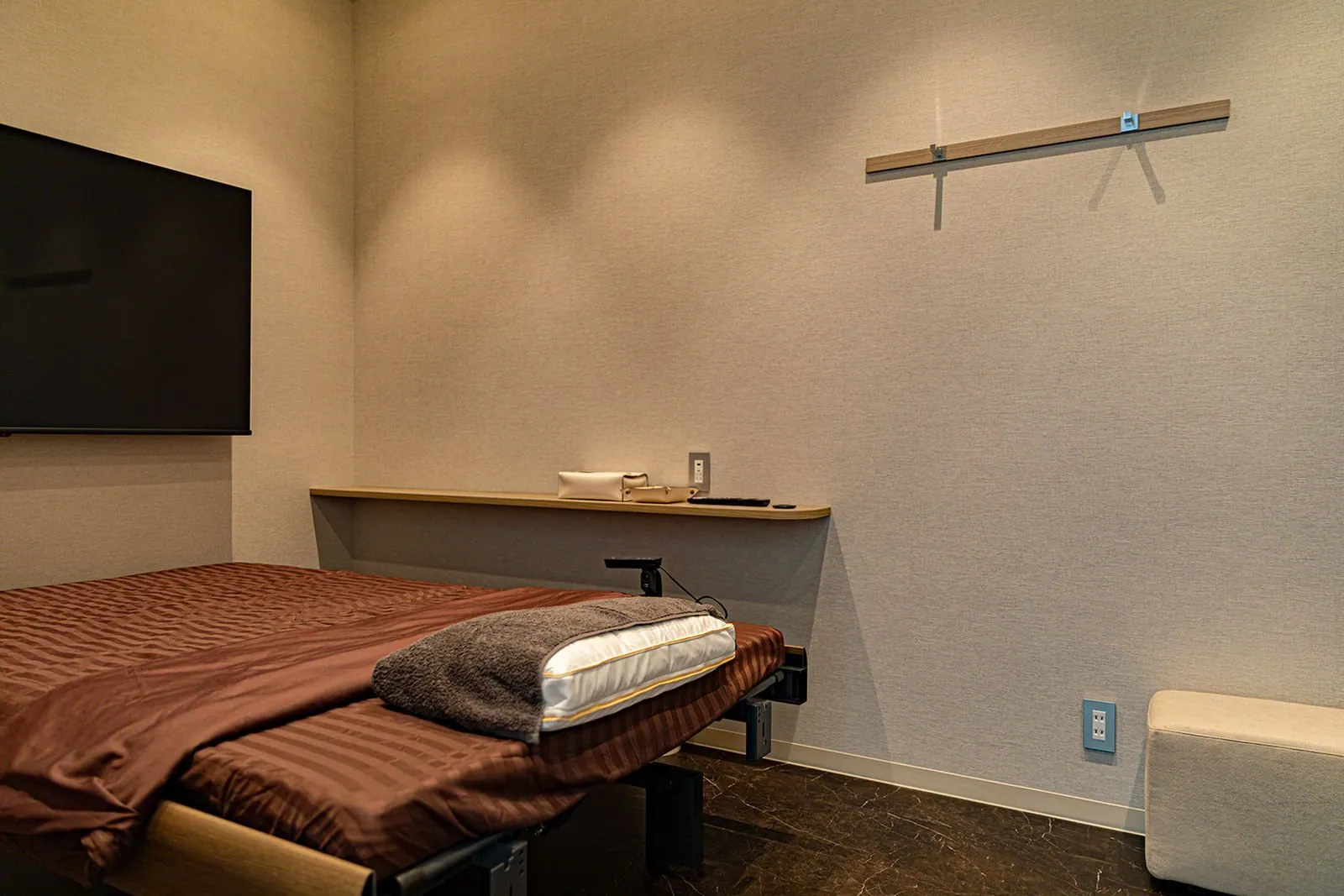
Royal Crystal Ginza 3F, 5-4-6 Ginza, Chuo-ku, Tokyo 104-0061
3 min from Tokyo Metro Ginza Station (Exit B6); 5 min from JR Yurakucho Station
In-house CPC, facility number FC3250034
WhatsApp +81-8070161366 · LINE +81-8075357788
Medically reviewed by Ryosuke Tanabe, MD (Director, GINZA NOA CLINIC) with Kotaro Yoshimura, MD, PhD (Professor of Plastic Surgery, Jichi Medical University) as technical advisor. Last reviewed 30 September 2026. Every treatment carries risks — ask what they mean for your case at the consultation. Registration and credentials · How we review content