
Who is most likely to benefit from AHSCT?
If relapses or new MRI lesions continue despite treatment, an AHSCT assessment may be worth discussing. The 2025 ECTRIMS–EBMT recommendations support considering AHSCT after at least one high-efficacy disease-modifying therapy, or DMT, has failed to control highly active MS.[3]
| Factor | More favorable profile | What to check |
|---|---|---|
| MS course | Active relapsing-remitting MS | Confirm your MS type with your neurologist. |
| Age | Usually under 45 | Age is considered alongside fitness and other illnesses. |
| Disease duration | Usually under 10 years | Record both first symptoms and diagnosis dates. |
| Disability level | EDSS <6.0 | Bring your latest EDSS disability score. |
| Inflammation | Recent relapses or new MRI lesions | Bring dated reports and the scan images. |
| Treatment response | Disease remains active despite medication | List drugs, treatment dates and disease activity during each course. |
A recent relapse can temporarily push disability scores up. Specialists may view that differently from disability that has been severe and stable for years. In other words, one EDSS number should not decide the whole case.[5]
Preparing an MS inquiry for Japan?
Tell us your diagnosis, the treatment you are looking at, and your preferred language. GINZA NOA CLINIC can help organize the information and questions you need for communication with medical providers. A licensed physician still decides eligibility.
Who is less likely to benefit?
AHSCT is usually a poor fit for late-stage progressive MS when there is no ongoing inflammation. Worsening walking, fatigue, or weakness on their own do not show that an immune-targeting transplant will help.[6]
There are exceptions. Some people with progressive MS and clear inflammatory activity may still be considered, preferably in a prospective study under earlier EBMT guidance. Even then, the evidence is weaker than it is for active relapsing-remitting MS.[7]
What does AHSCT actually involve?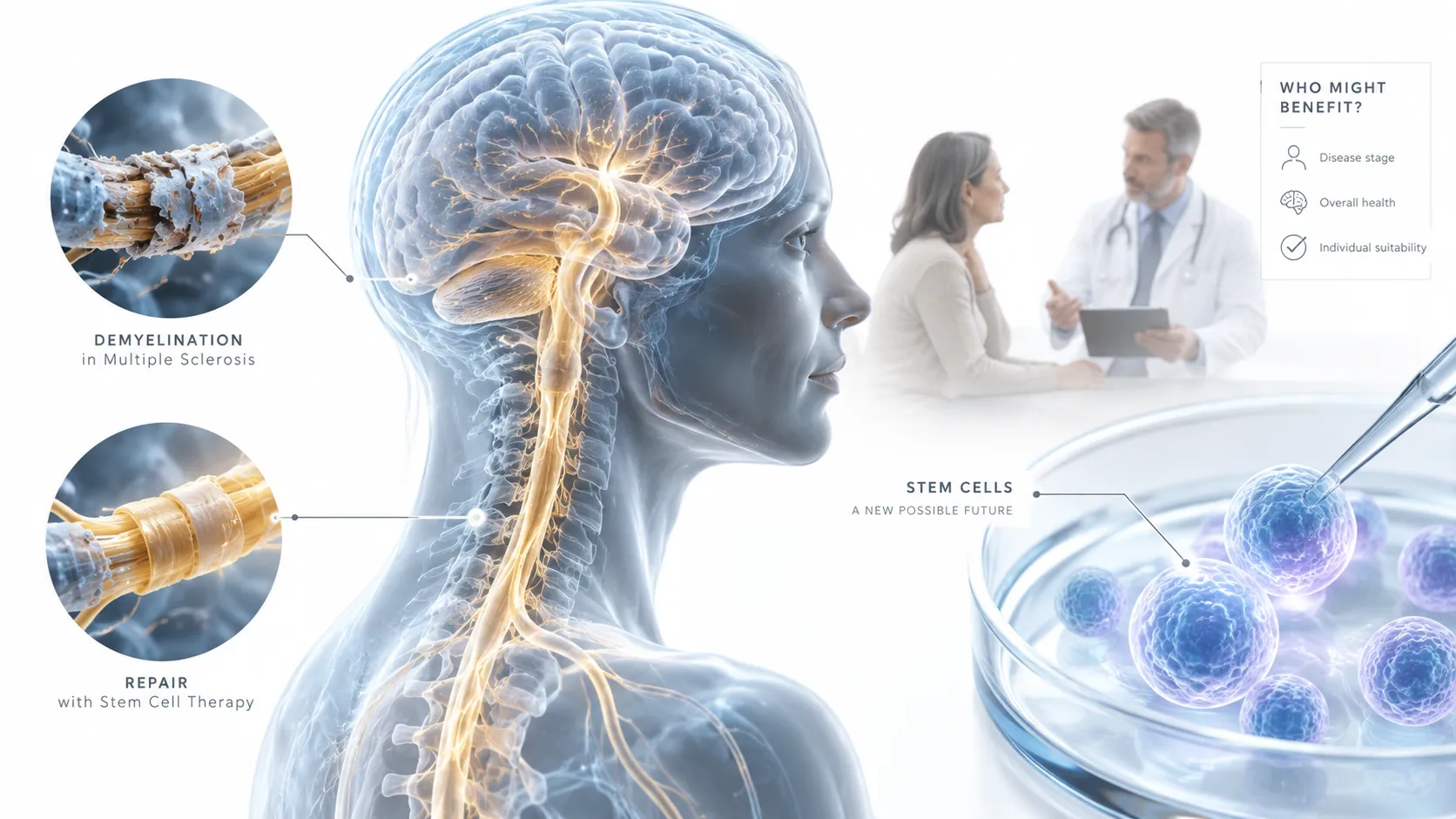
AHSCT uses your own blood-forming stem cells. The team collects and stores them, gives chemotherapy and other immune-suppressing treatment, then returns the cells through a vein so blood-cell production can recover. The cells are not injected into damaged nerves.[8]
The chemotherapy is a central part of AHSCT. A stand-alone cell infusion without the transplant process is a different treatment. So results from AHSCT cannot simply be used to claim that a separate infusion works.[9]
The terms autologous and allogeneic stem cells only tell you whether the cells come from you or a donor. They do not tell you whether a treatment is AHSCT. Your own fat-derived cells and your own blood-forming cells are not the same thing.
What do the clinical trial numbers show?
The MIST randomized trial enrolled 110 people with relapsing-remitting MS and compared AHSCT with continued DMT treatment. Median follow-up was 2 years.[10]
| MIST result | AHSCT group | DMT group |
|---|---|---|
| Participants assigned | 55 | 55 |
| Patients with disability progression during follow-up | 3 of 52 (5.8%) | 34 of 51 (66.7%) |
| Average EDSS score at baseline | 3.38 | 3.31 |
| Average EDSS score after 1 year | 2.36 | 3.98 |
On the EDSS scale, a lower score means less disability. The MIST results favored AHSCT in the patients studied. They do not prove that AHSCT is better than every high-efficacy MS drug available today.[11]
Do not turn “3 patients progressed” into a universal transplant success rate. The follow-up period matters, some participants left the study, and being free from progression is not the same as being symptom-free.[12]
Can stem cell treatment reverse existing MS disability?
Some people improve after AHSCT, but that does not prove the transplanted cells rebuilt damaged nerves. The main goal is to control inflammatory disease activity. Longstanding symptoms can remain even when new attacks stop.[13]
What risks should you weigh before treatment?
AHSCT can cause serious infection, low blood counts, bleeding, mouth sores, nausea, and hair loss. Chemotherapy can also affect fertility or trigger early menopause. If fertility matters to you, discuss sperm or egg storage before chemotherapy starts.[14]
Treatment-related death is uncommon, but it is possible. The 2020 EBMT guidance cited about 0.2%, or 2 in 1,000, in then-recent registry data. That is a historical estimate, not a promise about the risk at a particular center or for a particular patient.[15]
Before transplant, the team may check the heart, lungs, kidneys, liver, blood counts, and infections. Someone can have MS that looks biologically suitable for AHSCT and still have too much medical risk to go ahead.[16]
How long do treatment and recovery take?
| Stage | Planning detail | Confirm before booking |
|---|---|---|
| Assessment and cell collection | Separate from the transplant admission | Number of visits, required tests and collection schedule |
| Transplant admission | About 3–4 weeks in the UCLH example | Expected stay and arrangements if complications occur |
| Recovery | About 3–6 months in the UCLH guidance | Caregiver needs, work restrictions and infection precautions |
| Longer-term follow-up | Continues after the initial recovery period | Responsible clinician, monitoring schedule and emergency contact |
A fever or sudden illness after transplant needs urgent medical advice. Follow the temperature threshold and emergency instructions from your transplant team rather than waiting for a routine appointment.[19]
Are MSC injections another form of AHSCT?
No. Mesenchymal stromal cell treatment, often called MSC therapy, is a different approach. In the 144-person MESEMS trial, intravenous MSC treatment did not show benefit on the main MRI measure of inflammatory activity.[20]
That one result does not settle every experimental cell therapy. But it also cannot be used to sell MSC infusion as a proven replacement for AHSCT or established MS treatment.[21]
For U.S. offers, FDA registration and a ClinicalTrials.gov listing do not prove product approval or effectiveness. FDA patient guidance also warns about unapproved regenerative products promoted for neurological conditions, including MS.[22]
Does the proposal clearly name the treatment?
Share the provider’s treatment name, public webpage, or written proposal. We can help organize questions about the cell type, published evidence, regulatory documents, and costs before you discuss the offer with your neurologist.
What should you verify about treatment in Japan?
For treatment in Japan, check whether the provider is talking about a regenerative medicine provision plan, an approved product, or a clinical study. Japan’s Safety Act and product-approval system are separate. A filed plan does not automatically mean there is marketing approval for an MS product.[23]
Published stem cell treatment costs in Japan may refer to outpatient cell-infusion courses. Do not treat those prices as AHSCT quotes.
What should you prepare for a specialist consultation?
- Diagnosis summary: MS type, first symptoms, diagnosis date and current limitations.
- Relapse history: dates, treatment received and degree of recovery.
- MRI records: reports and original images, with earlier scans for comparison.
- Medication history: drug names, treatment dates, response, side effects and last dose.
- The proposed treatment: provider name, protocol, quote and your questions.
Do not stop your MS medication just because you are arranging an AHSCT assessment. Any change should be part of a coordinated plan from your treating team.[24]
Finally
AHSCT is most relevant when inflammatory MS is still active despite high-efficacy treatment. Whether it makes sense for one person depends on the disease course, disability level, other health conditions, and the transplant center’s protocol.
Sort out the practical steps before booking travel
Tell us which treatment you are asking about, your preferred language, and which documents you already have. We can help with record preparation, communication, and appointment questions before you make travel plans.
Where treatment is provided
GINZA NOA CLINIC, Ginza, Tokyo
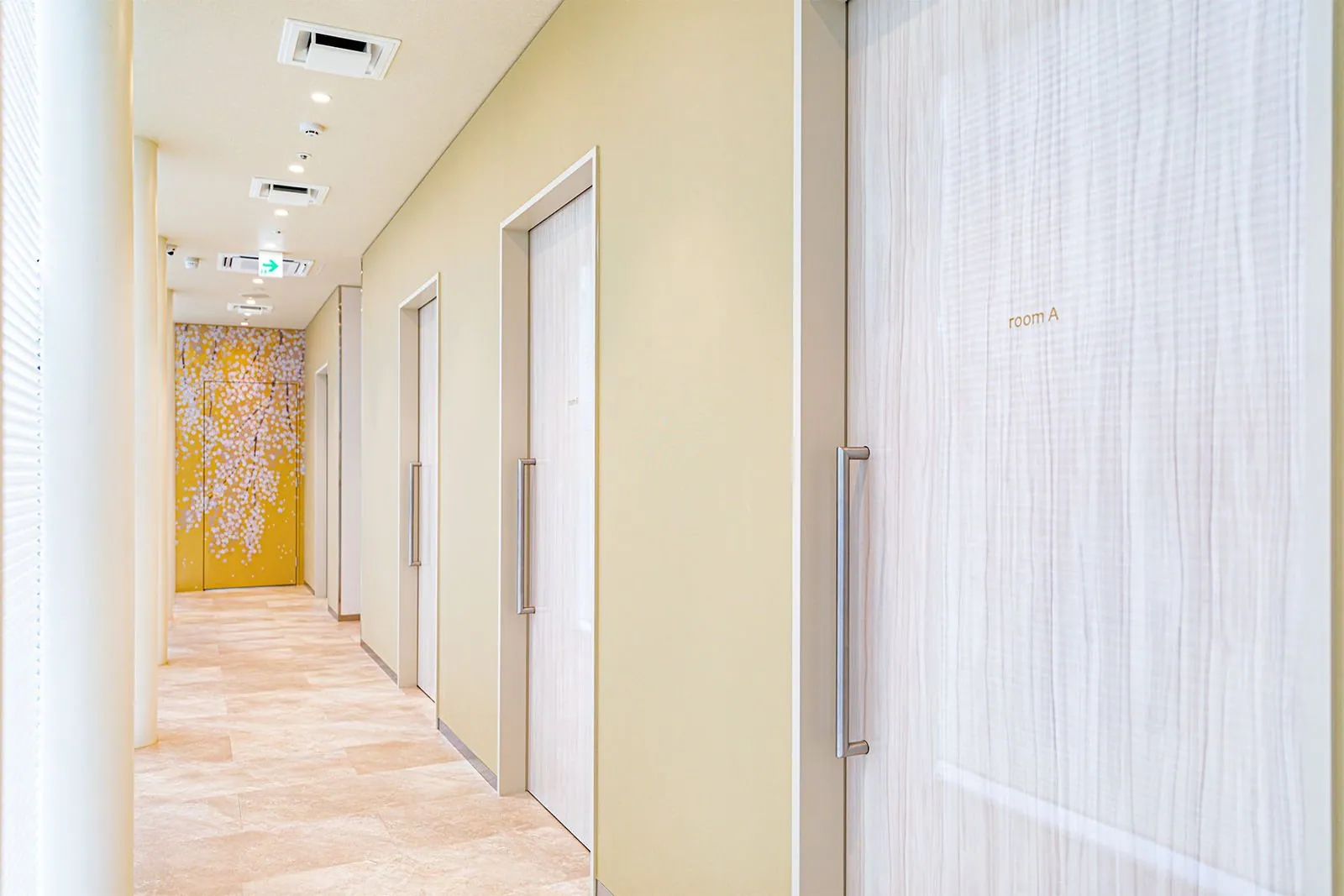
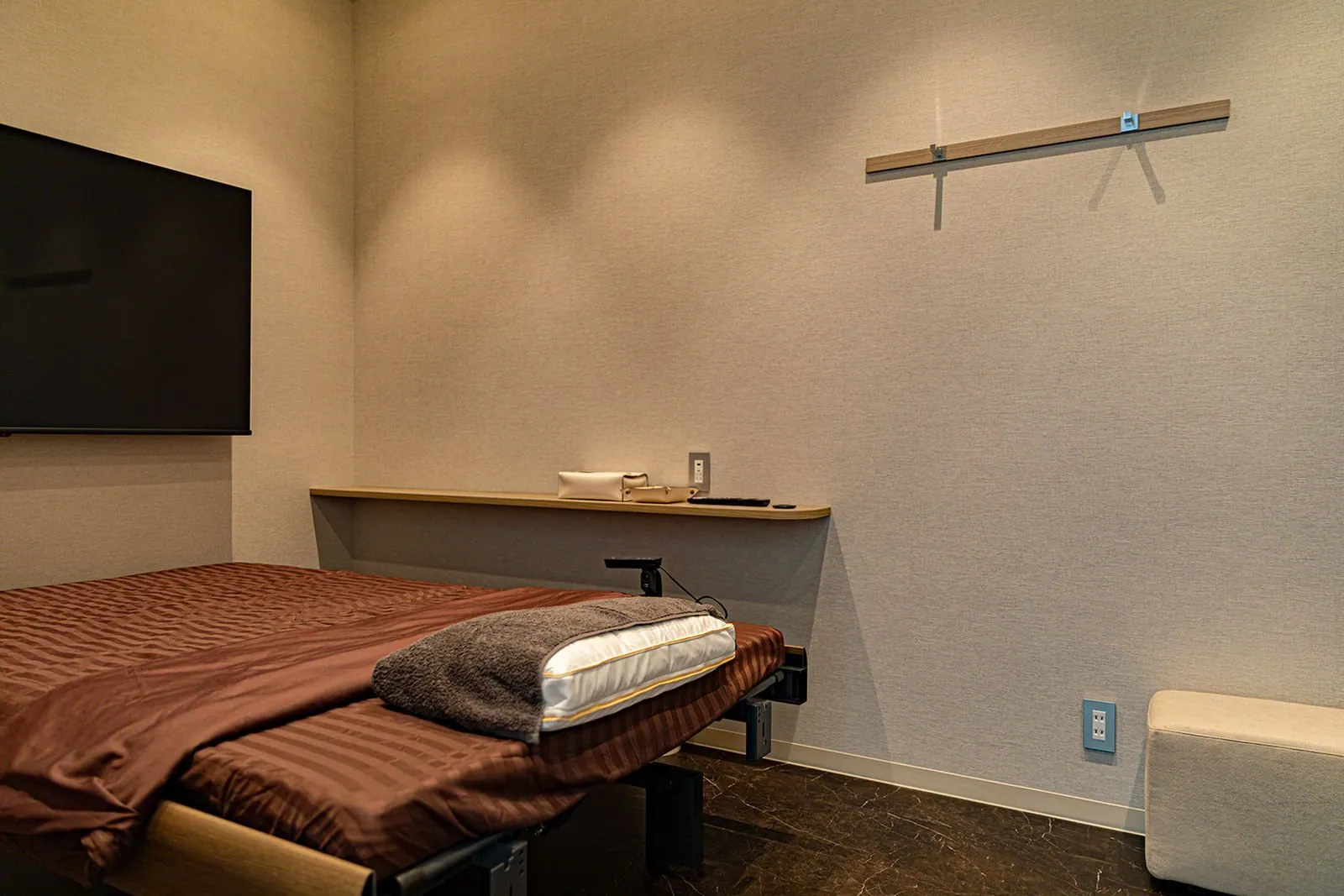
This article was written and medically reviewed at GINZA NOA CLINIC. The photographs below were taken inside the clinic in Chuo-ku, Tokyo.

Royal Crystal Ginza 3F, 5-4-6 Ginza, Chuo-ku, Tokyo 104-0061
3 min from Tokyo Metro Ginza Station (Exit B6); 5 min from JR Yurakucho Station
In-house CPC, facility number FC3250034
WhatsApp +81-8070161366 · LINE +81-8075357788
Medically reviewed by Ryosuke Tanabe, MD (Director, GINZA NOA CLINIC) with Kotaro Yoshimura, MD, PhD (Professor of Plastic Surgery, Jichi Medical University) as technical advisor. Last reviewed 30 September 2026. Every treatment carries risks — ask what they mean for your case at the consultation. Registration and credentials · How we review content