
BMAC and some mesenchymal stem or stromal cell (MSC) augmentation protocols may lower the chance of a structural retear after rotator cuff surgery, but they have not consistently improved pain, strength, or shoulder function. In a 91-patient randomized trial, the 1-year MRI retear rate was 18% with concentrated bone marrow aspirate versus 57% with standard repair. Clinical treatment failure, however, was almost the same: 15% versus 16%. An injection also cannot reliably reconnect a large tendon that has completely detached and pulled away from the bone.[1]
What Does the Best Human Evidence Show?
A 2025 meta-analysis compared arthroscopic rotator cuff repair with and without MSC augmentation in 415 patients. The retear rate was 17.7% with MSC augmentation versus 35% with repair alone. Pain, forward elevation, external rotation, and UCLA shoulder scores were not significantly better with MSC treatment.[2]
Another systematic review included five clinical studies and 228 patients. MSC augmentation did not lead to better pain, strength, range of motion, or patient-reported function than repair alone. Retear risk was lower at medium-term follow-up (RR 0.52) and long-term follow-up (RR 0.24), but the authors still described the evidence as preliminary and limited in certainty.[3]
| Question | Current Evidence |
|---|---|
| Can cell augmentation reduce retear after surgery? | Possibly. Several human studies show better structural integrity. |
| Does it clearly reduce pain more than standard repair? | No consistent additional benefit. |
| Does it clearly improve strength or motion? | No consistent additional benefit. |
| Can an injection reconnect a substantially retracted tendon? | Not established. |
| Can stem cell injections replace physical therapy? | Not routinely. |
| Is there a universal success rate? | No. |
What Happened in the 91-Patient Randomized Trial?
The trial enrolled 91 patients undergoing arthroscopic repair of isolated 1- to 3-cm supraspinatus tears. Forty-six received concentrated bone marrow aspirate (cBMA) at the repair site. Forty-five had standard repair with a sham incision.
At one year, 75 patients returned for MRI follow-up. Retears were found in:
- 18% of the cBMA group;
- 57% of the control group.
Clinical treatment failure occurred in:
- 15% of the cBMA group;
- 16% of the control group.
Both groups improved on patient-reported functional measures by six months, and those improvements were maintained through two years.[1]
So the trial supports better structural healing with cBMA in this particular surgical population. It did not show a similar improvement in clinical failure or patient-reported outcomes.
Can Stem Cell Injections Heal a Rotator Cuff Tear Without Surgery?
The evidence for injections used on their own is weaker.
One randomized crossover study included 51 patients with partial or full-thickness nonretracted supraspinatus tears. Thirty-four initially received autologous bone marrow concentrate combined with platelet products. Seventeen started with exercise therapy.
The biologic-treatment group reported larger early improvements in pain and function. Among patients with paired MRI scans, 73% showed imaging changes that investigators interpreted as healing.[4]
That 73% figure should not be treated as a general success rate for stem cell injections. The study had only 51 participants, used bone marrow concentrate together with platelet products, had a crossover design, and disclosed financial relationships involving several investigators and the treatment provider.
Partial Tears and Retracted Full-Thickness Tears Need Different Decisions
A partial-thickness tear leaves some tendon fibers attached to the bone. A full-thickness tear runs through the entire tendon. A retracted tear has pulled away from its normal attachment point.
A 2026 systematic review analyzed 22 studies and 1,137 patients with partial-thickness rotator cuff tears. Physical therapy produced statistically better Constant scores than injection therapy overall. Cell-based injections did better than non-cell-based injections on some functional measures, but no approach was best across every outcome.[5]
No clinical evidence shows that an injection can reliably reconnect a substantially retracted full-thickness tendon to bone.
Cell-based regenerative treatment therefore has to be judged against the actual tear anatomy. “Rotator cuff tear” on an MRI report is not specific enough on its own.
Which MRI Findings Change the Decision?
A 2024 systematic review and meta-analysis examined 18 studies and 2,700 patients to find features associated with an irreparable rotator cuff tear.
Strong associations with irreparability included:
- Patte stage 3 retraction: OR 8.0;
- massive versus large tear: OR 3.1;
- positive tangent sign: OR 11.1;
- larger mediolateral and anteroposterior tear dimensions;
- severe fatty infiltration;
- muscle atrophy;
- advanced superior migration of the humeral head.
Symptoms alone were much less useful for predicting whether the tendon could still be repaired.[6]
If you are considering an injection, the MRI questions that matter are fairly practical:
- Is the tear partial or full thickness?
- Which tendon or tendons are involved?
- What are the tear dimensions?
- How far has the tendon retracted?
- Is muscle atrophy present?
- Is fatty infiltration present or graded?
- Is there superior migration of the humeral head?
- Are arthritis, biceps disease, or other shoulder abnormalities also present?
Major retraction, muscle atrophy, and fatty infiltration are linked with lower repairability. New or worsening weakness after an injury should be assessed by an orthopedic specialist, but weakness alone cannot tell you whether a tear is repairable.
An MRI Tear Does Not Automatically Mean You Need Surgery or an Injection
Rotator cuff tears are surprisingly common in people who do not have shoulder symptoms.
In a population study of 664 people, 22.1% had a full-thickness rotator cuff tear. Prevalence rose with age:
- 50s: 10.7%;
- 60s: 15.2%;
- 70s: 26.5%;
- 80s: 36.6%.
About 65.3% of the tears found were asymptomatic.[7]
A small degenerative tear in someone with good strength and manageable symptoms is very different from an acute traumatic tear with marked weakness and major tendon retraction.
Already have a shoulder MRI or treatment proposal?
Prepare the MRI report, images if available, tear dimensions, retraction findings, symptom history, previous rehabilitation or injections, and any surgical opinion. GINZA NOA CLINIC provides record preparation, appointment coordination, interpretation, and follow-up support for international patients; diagnosis and treatment eligibility remain decisions for the treating physician.
How Does Physical Therapy Compare With Cell Injections?
Physical therapy is still a standard nonsurgical option for many symptomatic rotator cuff tears.
The 2026 review of 1,137 patients with partial-thickness tears found that physical therapy performed statistically better than injection therapy on the Constant score. Cell-based injections did better than non-cell-based injections on the Constant score and exceeded minimum clinically important difference thresholds on selected Constant and ASES outcomes.[5]
The 2025 AAOS Clinical Practice Guideline also supports physical therapy for improving patient-reported outcomes in symptomatic full-thickness tears. It notes that tear size, muscle atrophy, and fatty infiltration can progress during long-term nonoperative care in some patients.[8]
Less pain does not prove the tendon has structurally healed. If weakness is getting worse or imaging shows progression, the shoulder should be reassessed.
When Should Surgery Be Assessed Before Trying an Injection?
Earlier orthopedic assessment makes sense when there is:
- a traumatic full-thickness tear;
- sudden or progressive weakness;
- inability to actively raise the arm;
- substantial tendon retraction;
- a large or massive tear;
- marked muscle atrophy;
- advanced fatty infiltration;
- persistent functional limitation despite appropriate rehabilitation.
No one can reliably predict exactly how much delay will make an individual tear irreparable. Structural findings such as severe retraction, large tear size, muscle atrophy, and fatty infiltration are more useful for estimating repairability than symptoms alone.[6]
BMAC Is Not the Same as a Standardized Stem Cell Product
Bone marrow aspirate concentrate (BMAC) is made by collecting bone marrow and concentrating some of its components. It contains a mixture of nucleated cells, progenitor cells, platelets, signaling molecules, and other marrow material.
A 2025 systematic review included 15 prospective studies and 583 patients. Total nucleated cell concentrations from axial harvest sites ranged from about 0.1 million to 502 million cells/mL. Colony-forming unit concentrations ranged from 0 to 807 CFU/mL.[9]
No validated dose-response rule shows that a higher BMAC cell count produces a predictable increase in rotator cuff healing.
So “100 million cells” is incomplete information. You still need to know what was counted, cell viability, tissue source, processing method, administration route, and what evidence supports that exact protocol.
Collection, processing, release testing, and traceability are separate parts of the process. The site’s guide to cell processing centers in Japan explains what patients can ask about each step.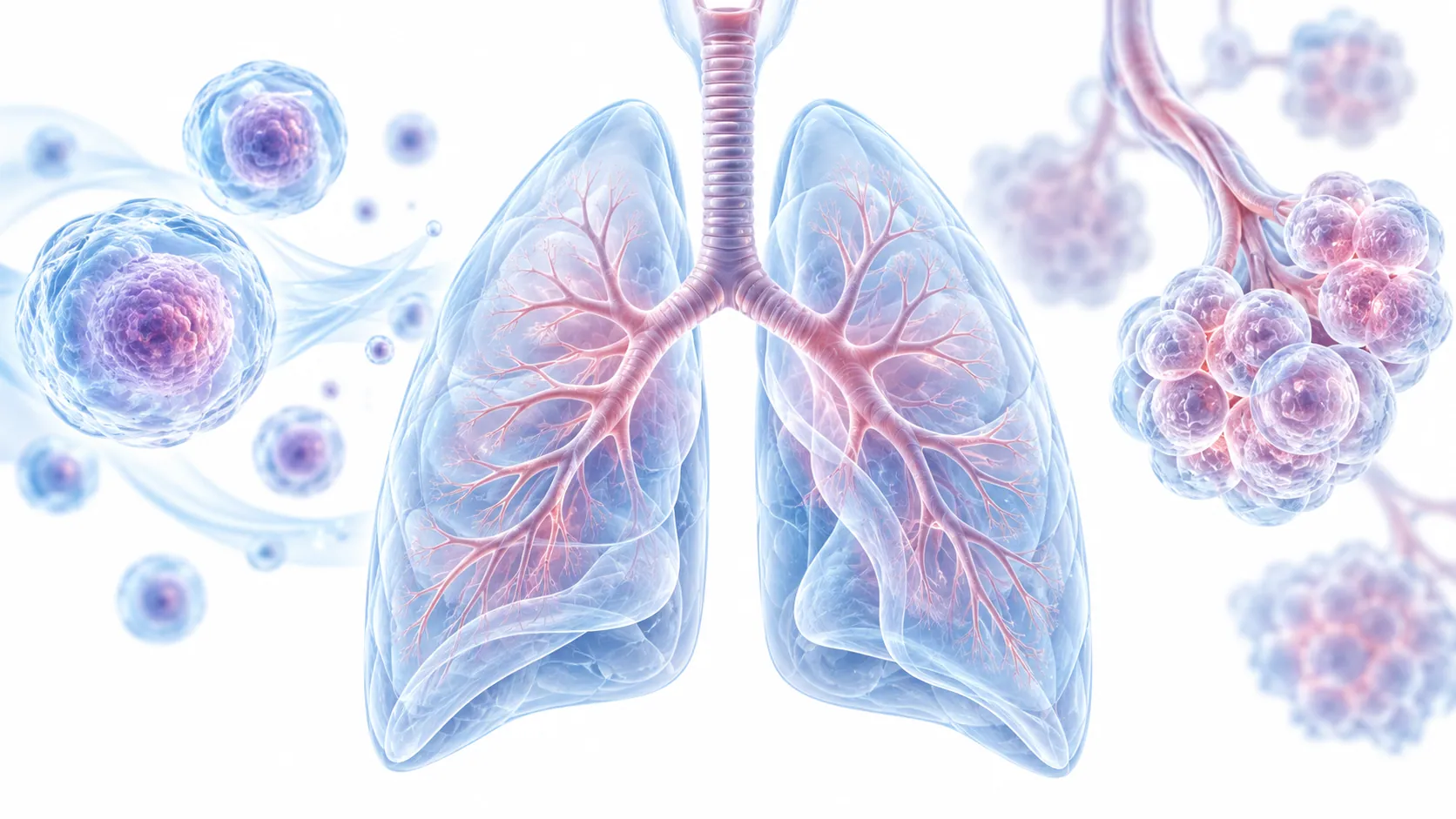
PRP, BMAC, MSCs, and Bioinductive Implants Are Not Interchangeable
- PRP: comes from blood and concentrates platelets and related signaling factors.
- BMAC: concentrated bone marrow containing several cell populations and biological components.
- MSC treatment: may use more specifically characterized cell populations, depending on the protocol.
- Bioinductive implant: a surgical scaffold designed to support tissue formation.
- Marrow stimulation: a surgical technique intended to expose the repair area to marrow-derived material.
Evidence for PRP does not prove that BMAC works. Evidence for BMAC does not prove that cultured MSCs, umbilical-cord products, or another cell preparation will give the same result.
What Are the Risks?
Autologous bone marrow procedures can cause harvest-site pain, bruising, bleeding, infection, temporary worsening of symptoms, injection-related injury, or simply no meaningful clinical improvement.
Donor-derived cells, cultured or expanded cells, umbilical-cord products, amniotic products, and other processed biological products have different risk profiles.
The U.S. Food and Drug Administration has received reports of serious adverse events linked with unapproved regenerative medicine products, including bacterial infections, neurological events, tumor formation, inflammatory or immune reactions, and unwanted tissue growth.[10]
The FDA also states that regenerative medicine therapies are not approved in the United States for orthopedic conditions such as tendonitis or shoulder pain.[10]
Patients comparing treatment in Japan can use the site’s stem cell treatment safety guide to check processing, written consent, adverse-event management, follow-up, and documentation.
What Does “Approved in Japan” Actually Mean?
Japan has more than one regulatory route for regenerative medicine.
The Act on the Safety of Regenerative Medicine regulates the provision of defined regenerative medicine procedures. It uses risk-based classifications and treatment-plan requirements.[11]
The PMD Act separately regulates commercial regenerative medical products. PMDA marketing approval applies to a specific product, indication, and set of conditions for use.[12]
A regenerative medicine provision plan is therefore not the same thing as PMDA product approval.
PMDA’s current approved-product information does not show a general marketing approval for stem cell injections to treat rotator cuff tears.[13]
The site’s Japan regenerative medicine registration and compliance guide explains how provision plans and product approval differ.
What Should You Ask Before Paying for Cell-Based Treatment?
- What exactly is my tear? Ask for tear depth, dimensions, tendon involvement, and retraction.
- Is the tendon still considered repairable? Ask how muscle atrophy and fatty infiltration affect that judgment.
- What exactly will be administered? BMAC, cultured MSCs, PRP, donor-derived material, and combination products are different treatments.
- What human study matches this exact treatment? Compare the diagnosis, tear type, procedure, cell product, outcome, and follow-up period.
- What does “success” mean? Pain relief, function, strength, MRI integrity, and avoiding surgery are separate endpoints.
- What is the regulatory route? Ask whether the treatment involves a PMDA-approved product, a regenerative medicine provision plan, or a clinical study.
- What happens if it fails? Ask whether later surgery remains possible and what rehabilitation or follow-up will be needed.
- What risks and adverse events were reported? Ask for the number of events and the number of patients, not just the word “safe.”
A clinic’s “90% success rate” tells you almost nothing unless you also know the patient count, selection criteria, treatment protocol, definition of success, and follow-up period.
Comparing a regenerative medicine option in Japan?
Send the diagnosis, MRI report, previous treatment history, current symptoms, and any treatment proposal you have received. GINZA NOA CLINIC can help organize records, coordinate provider communication, and support interpretation for international patients. It does not diagnose conditions, prescribe treatment, decide eligibility, or guarantee outcomes.
Check a Provider First Contact International Patient Support
Finally
BMAC and some MSC augmentation protocols may reduce structural retear after rotator cuff repair, but they have not consistently improved pain, strength, or shoulder function beyond standard surgery. Standalone injections have weaker evidence. They cannot reliably reconnect a substantially retracted tendon. Before considering cell-based treatment, check tear size, retraction, muscle atrophy, fatty infiltration, repairability, and response to standard treatment.
This article provides general medical information only. It does not diagnose a rotator cuff injury or determine treatment eligibility. Treatment decisions should be made by a qualified orthopedic, sports-medicine, or other appropriately licensed clinician who can review the patient’s examination, imaging, medical history, and available standard treatments.
Where treatment is provided
GINZA NOA CLINIC, Ginza, Tokyo
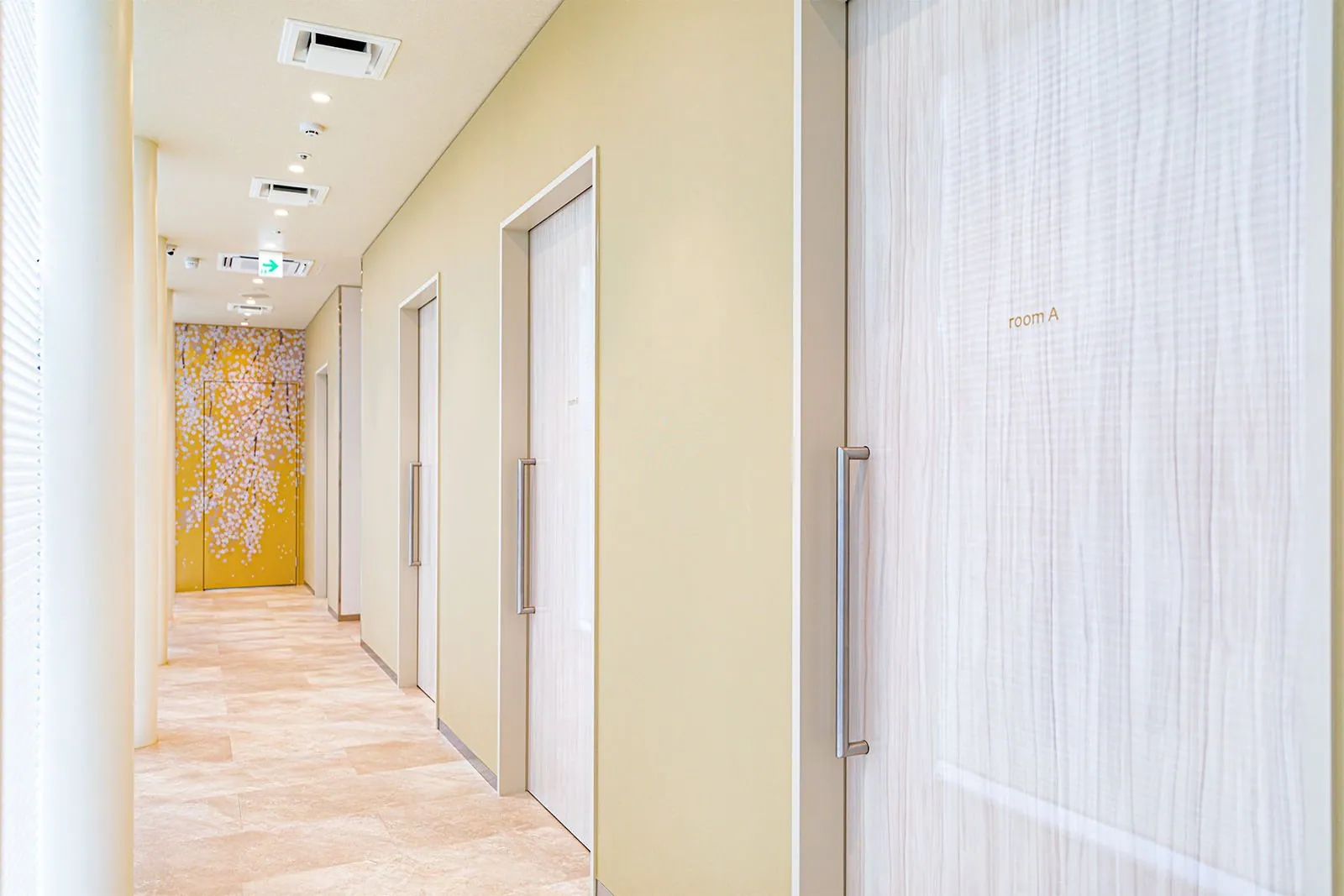
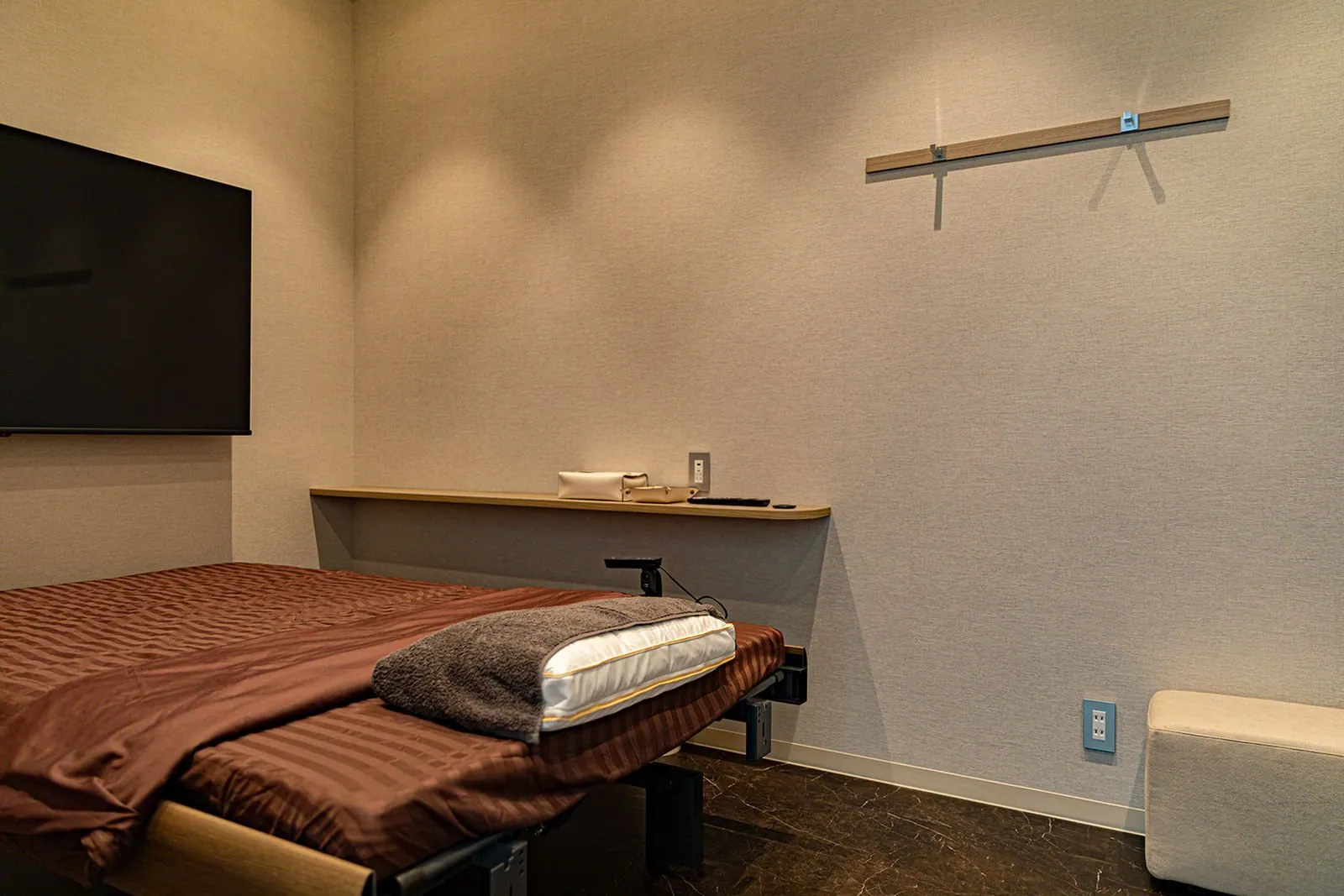
This article was written and medically reviewed at GINZA NOA CLINIC. The photographs below were taken inside the clinic in Chuo-ku, Tokyo.

Royal Crystal Ginza 3F, 5-4-6 Ginza, Chuo-ku, Tokyo 104-0061
3 min from Tokyo Metro Ginza Station (Exit B6); 5 min from JR Yurakucho Station
In-house CPC, facility number FC3250034
WhatsApp +81-8070161366 · LINE +81-8075357788
Medically reviewed by Ryosuke Tanabe, MD (Director, GINZA NOA CLINIC) with Kotaro Yoshimura, MD, PhD (Professor of Plastic Surgery, Jichi Medical University) as technical advisor. Last reviewed 30 September 2026. Every treatment carries risks — ask what they mean for your case at the consultation. Registration and credentials · How we review content