
Before agreeing to a stem cell treatment, check five things: the doctor’s license and relevant specialty experience, the facility’s authorization and emergency plan, the lab’s ability to track and test the cells, the regulatory status of the exact treatment, and human evidence that matches your condition. A medical license tells you who can practice; it does not tell you whether the treatment works.
Start with the written treatment plan. Ask for the diagnosis and stage, if applicable, what cells are proposed, whether they come from you or a donor, and how they would be given. An established blood stem cell transplant for a condition such as leukemia is not the same as an experimental stem cell procedure offered for another condition[1]. This guide is general information, not personal medical advice.
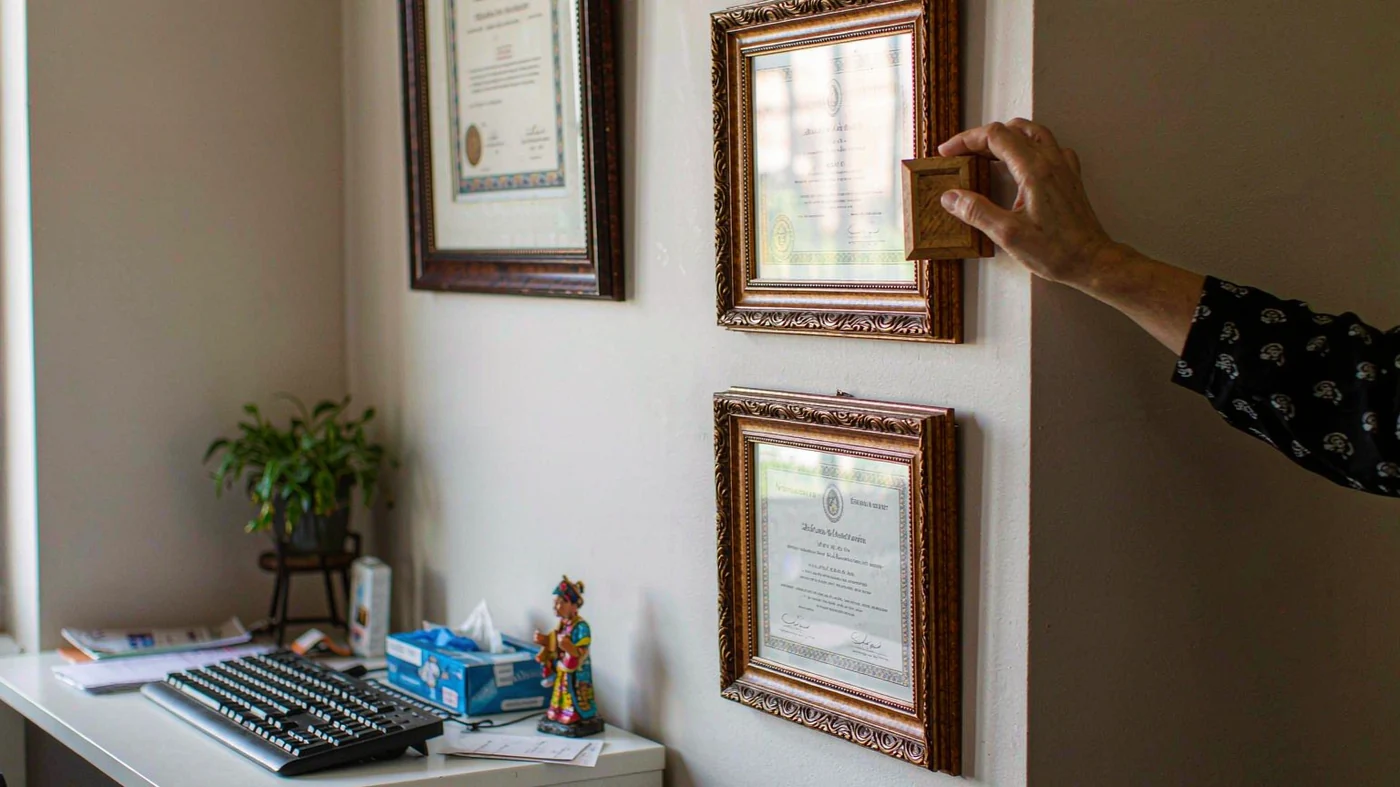
Doctor’s License and Specialty
Ask for the treating doctor’s full name and license details, then verify them with the relevant licensing authority. Check specialty training separately. Ask how often the team performs this procedure for people with your condition and who will explain your alternatives. A device-training certificate does not answer either question. For a blood stem cell transplant, the team also weighs factors such as prior treatment, other health conditions, and donor availability when donor cells are needed[1].
Facility and Emergency Care
Check that the hospital or clinic is authorized to provide the care it proposes. Ask for the consent form and written aftercare plan. Who answers after hours? Which hospital handles an emergency transfer? If you travel for treatment, ask who will receive your records and take over follow-up when you return. The overview of the stem cell treatment process in Japan can help you organize questions by stage of care.
The National Cancer Institute describes close follow-up near the transplant center after a donor blood stem cell transplant, with return home around day 100 if there are no complications. This is not a universal timetable, a continuous hospital stay, or an aftercare standard for other cell therapies[1].
Cell Processing and Quality Records
Ask which facility processes the cells, what authorization applies to it, and how the team verifies that the right cells reach the right patient. Ask what checks the batch must pass before use, such as checks for contamination and cell identity, and what happens if it fails. If the clinic cannot share a batch record, ask whether it can provide a written summary. Passing quality checks does not establish clinical benefit. If you are comparing providers in Japan, clarify who is responsible for the records at the cell processing center and at the clinic.
Approval, Research, and Clinic Filing
Do not stop at “approved” or “registered.” Ask who issued the document and what it covers. In the United States, the FDA’s approved product list links to individual product pages[2]. For example, the FDA approved Ryoncil, a donor bone marrow-derived mesenchymal stromal cell therapy, for acute graft-versus-host disease that has not responded to steroids in children aged 2 months and older[3]. That approval does not extend to other products made from similar cells or to other conditions.
| Claim | What to check |
|---|---|
| FDA-approved product | Find the named product in the U.S. FDA’s list and open its prescribing information. Check that the approved use and patient group match what the clinic is offering[2]. |
| Clinical trial | Ask for the trial ID, site, eligibility rules, and consent form. A registry entry describes the study; it does not prove benefit. |
| Filed clinic plan in Japan | For procedures covered by Japan’s Act on the Safety of Regenerative Medicine, ask for the provision plan number, the reviewing committee, and the plan’s current status. The Act has three risk classes, with a specified certified committee required for Class I and II plans[4]. Filing is not product approval; Japan has a separate product review process involving the Pharmaceuticals and Medical Devices Agency (PMDA)[5]. |
Human Evidence and Risks
Ask for published results in patients with your diagnosis and stage who received the same cell type, dose, and route. Check the study phase, how many people participated, what outcome the researchers measured, whether there was a comparison group, and how long they tracked benefits and harms. Ask for actual counts or rates, not just a percentage improvement with no baseline. Lab studies, animal studies, and testimonials cannot establish whether the treatment will help you.
Risks vary by procedure. Blood stem cell transplants can cause infections and bleeding, and some patients develop long-term problems such as infertility or organ damage. After a donor transplant, graft-versus-host disease can occur when donor immune cells attack the recipient’s tissues[1]. The FDA also warns that illegally marketed regenerative medicine products may pose significant safety risks[6]. Ask what is known about the risks of the exact procedure you are considering and what remains uncertain.
What to Ask Before You Pay
Suppose a clinic in Japan sends a plan number with a request for a deposit. When checking a regenerative medicine filing in Japan, match the facility and procedure on the plan to the written offer. If the brochure calls the product “approved,” ask for the regulator’s product listing as well. Before paying, get an itemized quote and ask who pays if the procedure is canceled or you need hospital care.
If the clinic cannot document its claims, pressures you to pay, or discourages a second opinion, pause. Take the written offer to a clinician who knows your condition and is not selling you the procedure. Do not change your current care based on a sales consultation.
Planning a consultation in Japan?
Contact patient support for appointment information. Ask your treating clinician for medical advice.
Contact Patient Support



