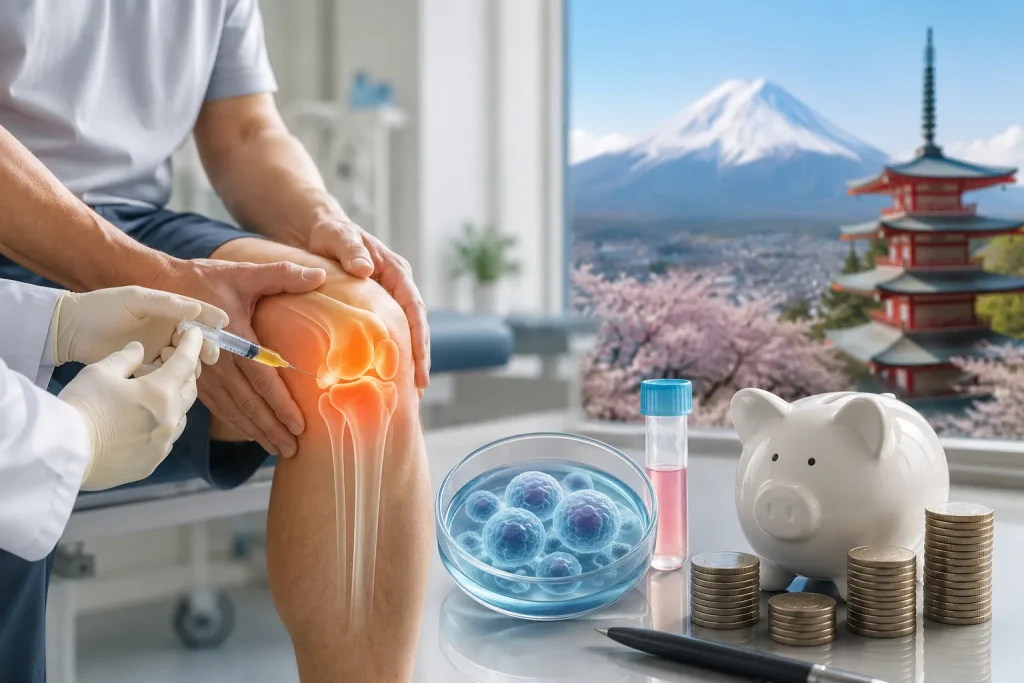
After treatment in Japan, take home your discharge summary, procedure note, cell product details and regulatory information, medicine list, test results, follow-up instructions, and medical contacts with any required sharing authorization. Keep Japanese records with any translations, imaging reports with the image files, and bills in a separate section.
For cell-based treatment, the table below organizes these into 8 document groups. It is a practical checklist, not a legal quota or a recommendation to undergo treatment. If you are preparing for a trip, arrange record requests alongside the other steps in the medical travel guide for treatment in Japan.
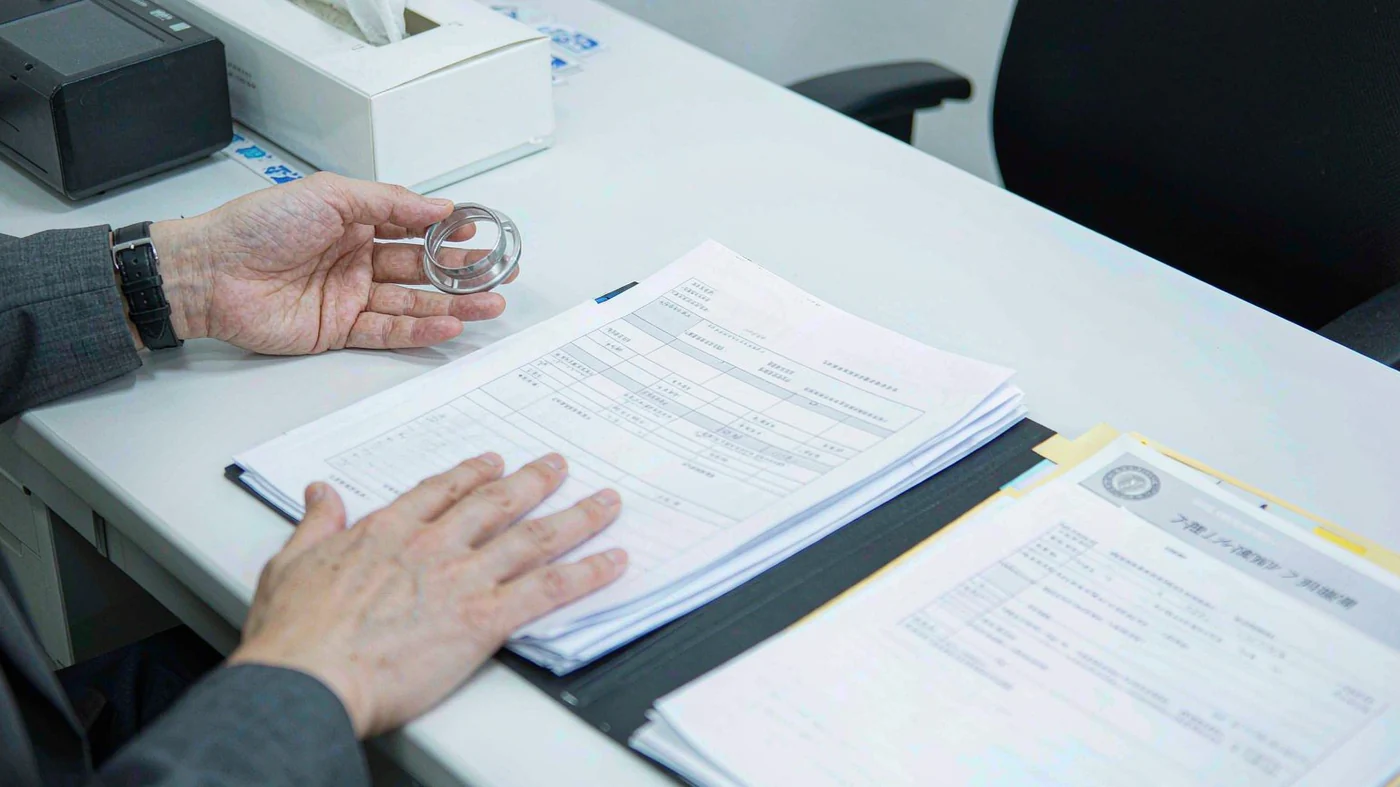
Which papers to request
Ask your treating team which items apply to you. Details may be combined in one report rather than supplied as separate documents. Request records of what actually happened, not just the proposed treatment package.
| Document | What to look for on the page | Why it helps later |
|---|---|---|
| Discharge or treatment summary | Clinic and doctor name, dates of care, confirmed diagnosis, purpose of the visit | Gives your home doctor a starting point for reviewing the care you received |
| Procedure note | Collection site and method if tissue was taken, processing or culture steps, administration route and site, dates, anesthesia, complications and treatment given | Your home doctor sees what was actually done, not only what was planned |
| Cell product description | Cell type and source, your own or donor cells, whether cultured, product name and batch identifier where available, dose and units if recorded, and sessions actually received | Very different preparations can share one marketing label, and this page tells them apart |
| Regulatory status in plain words | Product name and approved indication if approval is claimed; otherwise the provision-plan or study identifier and whether the intervention is experimental | It keeps product approval apart from a filed treatment plan or study registration, which are not equivalent evidence of benefit |
| Medicine list before and after | Medicine names, doses, frequency, allergies, what was stopped, started, or changed, why, and written restart or stop instructions | Helps the next prescriber check interactions, duplicate prescriptions, and medicine changes |
| Test results | Key blood tests, imaging reports, pathology reports, baseline and post-treatment measurements with units and reference ranges | The next doctor can compare old and new results and decide what, if anything, needs repeating |
| Follow-up plan with warning signs | Wound care, activity limits, rehabilitation, tests and review dates, who is responsible, expected course, warning signs, urgent-care instructions, travel advice if given | Your home doctor gets dated care instructions to follow |
| Contacts and sharing permission | Named medical contact, contact details, preferred language, and any authorization forms the providers require | Helps the teams request clarification; sharing still depends on applicable rules and each provider’s procedures |
If something is missing from the take-home set, ask before discharge whether it will follow by secure message or letter. Ask when it will arrive and who will send it, and get that answer in writing.
Also request copies of the consent forms you signed. Keep any separate written information about risks, alternatives, costs, and follow-up with them. These documents record what you were told and agreed to; they do not replace the procedure note.
Which date to trust
Distinguish the date a test was performed or a sample collected from the dates it was reported, translated, or sent. These are 4 possible date labels, not a fixed number on every record. The test date helps establish the clinical timeline, but the report date and any later corrections can matter too. A fresh translation does not make an old scan new. Retain older records that are relevant to your care.
For example, if a scan was done before treatment but translated afterward, keep both dates visible. Your doctor needs to know that the scan shows your condition before treatment, not a post-treatment result.
Check each page before you leave
Use these 7 checks while staff are available. Corrections may still be possible after you leave, but arranging them from abroad can add delays.
- Names match: your name looks the same on every page, and it matches your passport or ID.
- Dates are clear: identify when each test or procedure happened and retain report dates and amendments.
- Sides and sites are marked: left or right, knee or shoulder, blood draw date and time where relevant.
- Language is usable: ask your home doctor which records need translation and into which language. Confirm availability, cost, and delivery time with the Japanese provider; retain both versions.
- Images and reports stay together: each scan report travels with its original image files, marked by body part, side, and date done. A report and its files are two different things, and the next doctor often needs both.
- Medicines are exact: generic and brand names where used, doses, timing, what changed and why, and what to do next.
- Plan has names and dates: who does the next check, where, when, what test to bring, and whom to contact if problems occur.
Try one practical check before packing: open the imaging files on the supplied medium or download link, rather than checking only that a report is present. Ask the provider how to access them and whether the link expires. If a translation is pending, write its expected delivery date beside the original.
What is different in Japan
Do not judge the take-home set by its size. Check whether it identifies the treatment you received, medicine changes, complications, and follow-up responsibilities.
For cell-based interventions in Japan, distinguish the safety framework for providing regenerative medicine from the approval framework for regenerative medical products. MHLW publishes information on the provision framework.[1] PMDA publishes approved-product lists and review reports.[2] Ask the provider to identify the applicable route and put the product, provision-plan, or study identifier in your records. The site’s explanation of Japan’s registration and compliance routes provides background, not independent evidence of benefit.
A reviewed or filed provision plan is not product approval, and study registration does not prove efficacy. If product approval is claimed, ask for the approved indication and whether your treatment falls within it. Approval for one use does not establish benefit for every diagnosis.
Keep money paperwork separate from the clinical papers you take home. An itemized receipt is handy for insurance and your own records, but it cannot stand in for the procedure note or the follow-up plan. If you plan to claim costs, check with your insurer before you travel and ask which documents it wants. For reference on quotes, see how treatment costs are broken down into medical, testing, and travel items.
What cannot replace clinical records
Keep receipts for financial purposes, but do not use brochures, quotes, or phone photos of scan screens as substitutes for the clinical reports and original imaging files. A marketing label such as registered, certified, or premium does not tell your home doctor what was administered.
Blood stem cell transplantation used in cancer care has its own treatment and recovery requirements, as described by NCI.[3] Do not use its schedules as a follow-up template for a different cell-based intervention. Ask your treating team for instructions specific to the procedure you actually received; the treatment-process overview is background information, not your personal care plan.
How to carry and share the folder
Keep a paper set in your hand luggage and a digital backup in a separate, protected location, such as an encrypted device or secure account. Keep originals supplied to you and retain original electronic files alongside scans. Use file names with the document type, body site, side where relevant, and test or procedure date.
Before departure, confirm the follow-up appointment or the process for arranging it with your home doctor. General discharge guidance includes medicine instructions, appointment details, activity limits, and contacts for questions or emergencies.[4] Follow your individual plan even if you feel well. Ask your home clinic which file formats it accepts and whether it wants the records before the visit.
Do not post identifiable records publicly. Ask each provider which secure transfer channel and authorization forms it requires, including any requirements for cross-border sharing. The site’s policy on medical records and sharing permission describes its own handling arrangements, not every provider’s legal obligations.
If you need urgent care, do not wait for a missing record, a translation, or an overseas reply. Seek local medical help and bring whatever records are available.
This guide is general information, not medical advice. Your treating team in Japan and your local doctor decide what applies to you, what needs repeating, and what needs urgent attention.
Bottom line
Leave with a usable clinical summary, an exact account of the treatment, medicine instructions, results, and a named follow-up contact. Use the 8-group checklist to find gaps, not to delay necessary care or insist on 8 separate forms. For anything still pending, get a delivery date, a secure delivery method, and the sender’s contact details.
Missing a page from your discharge set, or unsure which identifier covers your treatment?
Ask about document coordination before you leave Japan. Do not send identifiable medical records until a secure transfer method is confirmed.
Contact the patient support teamSources checked
MHLW and PMDA sources concern Japan’s regulatory frameworks. NCI covers blood stem cell transplantation in cancer care; MedlinePlus provides general U.S. hospital-discharge guidance, not Japanese legal requirements. Internal site links are information or service entries, not independent medical evidence. Sources checked 17 November 2026.
| Source | What it supports | Link | Checked |
|---|---|---|---|
| PMDA, Regenerative Medical Products | Approved-product lists and review reports in Japan | PMDA product information | 17 Nov 2026 |
| MHLW, Regenerative and Cell Medicine and Gene Therapy | Japan’s regenerative-medicine provision framework and filing information | MHLW regulatory information | 17 Nov 2026 |
| NCI, Stem Cell Transplants in Cancer Treatment | Blood stem cell transplantation in cancer care, not a schedule for other cell procedures | NCI transplant information | 17 Nov 2026 |
| U.S. National Library of Medicine (MedlinePlus), Leaving the hospital — your discharge plan | General U.S. discharge planning: medicines, appointments, care instructions, and contacts | MedlinePlus discharge guidance | 17 Nov 2026 |