
After you return home from stem cell treatment in Japan, seek assessment and treatment for suspected complications from local doctors; use local emergency services for urgent symptoms. Your Japanese treating team should supply treatment records and the agreed follow-up support, but a message to Japan is not a substitute for local care. Agree the complication plan with both teams before traveling, as U.S. CDC medical-tourism guidance recommends [1].
This is general information, not personal medical advice. Who provides immediate care is separate from who pays or bears legal responsibility.
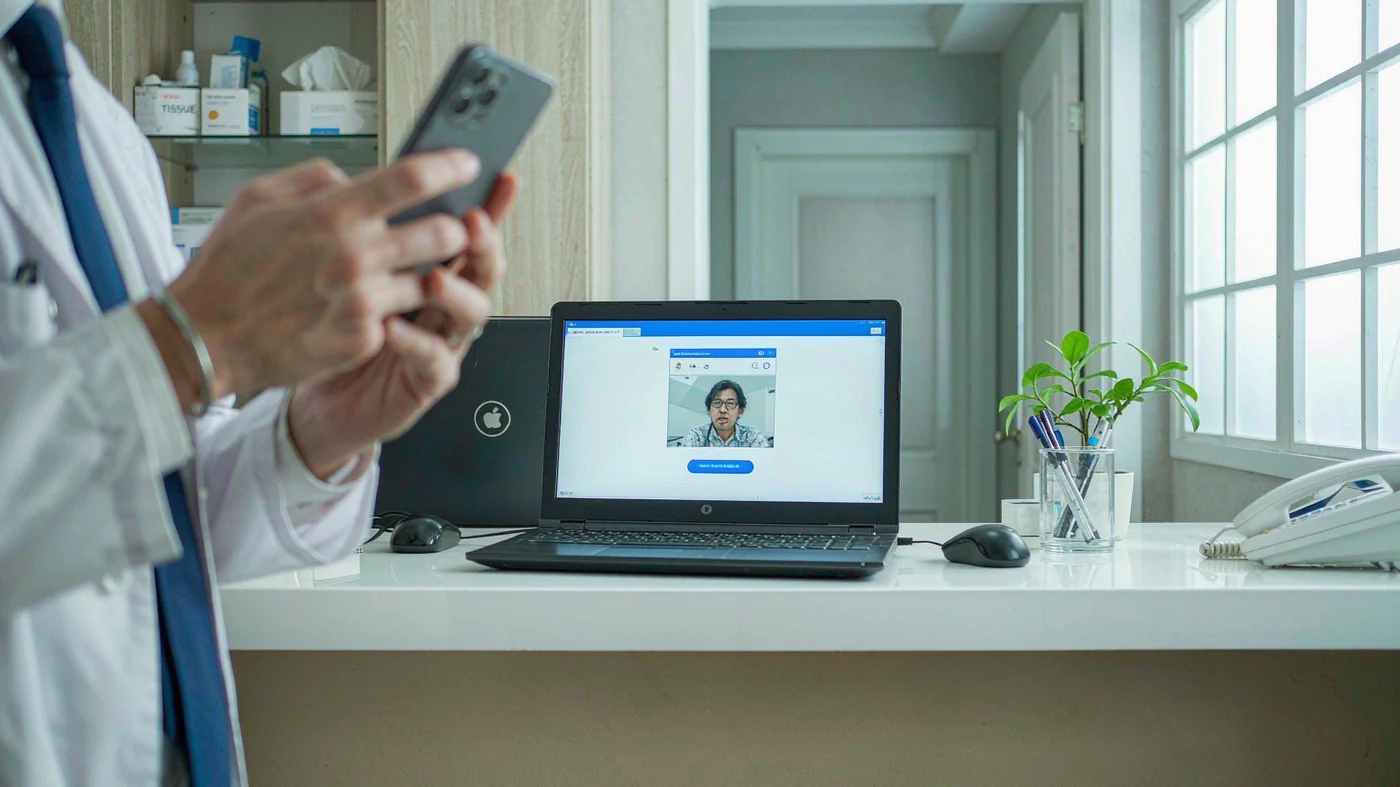
Who Does What
| Role | What this side does |
|---|---|
| Japanese treating team | Provides treatment records, explains what was done, and supplies the follow-up support agreed before discharge |
| Doctors where you live | Handle examinations, tests, prescriptions, referrals, and ongoing care once you are back |
| Emergency services where you are | Handle anything urgent or life-threatening, regardless of where the original treatment took place |
| You | Watch for warning signs, keep the records together, and contact the right side early |
| You and your insurer | Confirm what is covered and keep the written terms with your medical records |
Ask for copies of your overseas medical records in English and give them to clinicians who see you afterward [1].
What Counts as a Complication
A suspected complication is a medical problem that may be related to treatment, such as infection, bleeding, a severe allergic reaction, or a collection- or injection-site problem. A clinician needs to assess the cause; timing alone does not establish that treatment caused it. Lack of improvement is not, by itself, evidence of a complication, but persistent or worsening symptoms still need medical review.
CDC reports that the most commonly reported complications among medical tourists are infection-related [1]. That is a general medical-tourism observation, not a complication rate for stem cell treatment in Japan.
What Your Japanese Clinic Can Do
Before treatment, ask the clinic to confirm which follow-up services it will provide after you leave:
- A named clinical contact, response hours and time zone, language, and an alternative if that person is unavailable
- Whether a physician will review reported symptoms and local test results, and how that advice reaches your local doctor
- Copies of treatment records and a process for sending them to your local clinician with your permission
- Planned review dates, which appointments require a return to Japan, and how long support continues
CDC recommends obtaining overseas records in English for follow-up care [1]. Ask for a clinical contact, not just a booking or messaging account.
Limits of Remote Help
A remote conversation cannot provide a hands-on examination, collect a sample, or deliver hospital treatment where you are. Do not assume a Japanese prescription or remote consultation can be used in your country; ask the treating clinic and a local clinician what arrangements are available. A promised follow-up message does not replace a local emergency-care plan.
What Your Home Doctor Does
Your regular doctor, a local clinic, or a hospital can assess the problem and arrange care within their services. Depending on what they find and the services available, they may:
- Examine a painful, swollen, or feverish site and decide whether it looks like infection, bleeding, or something else
- Order blood tests, cultures, or imaging and compare them with your baseline and post-treatment results from Japan
- Prescribe or adjust medicines, arrange wound care or physiotherapy, and refer you to a specialist
- Arrange hospital assessment or admission if needed and coordinate ongoing care
Usable records help clinicians assess you, but missing paperwork is not a reason to delay seeking care. Bring whatever you have and explain what treatment you received and when. Request the remaining records from Japan afterward. Before departure, obtain key pages in English or another language your local doctor can use, and keep a copy for yourself.
Before you travel, share your diagnosis, current medicines, allergies, and what standard treatments you have already tried with your local doctor. The indications and contraindications guide explains how the exact diagnosis, disease stage, and current health affect eligibility. Ask whether the planned trip or any pause in current treatment would be unsafe for you. Ask what documents they will want to see when you return, so that a new fever or changed test result can be judged against your baseline.
Emergencies
If you develop warning signs such as difficulty breathing, chest pain, signs of a severe allergic reaction, heavy bleeding, sudden weakness or speech change, vision changes, a high or persistent fever, or a rapidly worsening painful or red site, seek emergency care where you are first. Do not wait for a reply from Japan before calling your local emergency number or going to an emergency department.
A severe allergic reaction (anaphylaxis) can begin very quickly and its symptoms may be life-threatening [2]. That speed is why suspected emergencies must go to local emergency services first, not to a message thread with Japan.
Inform the Japanese team afterward. Get the clinic’s urgent-symptom list written into your discharge papers so an emergency doctor can see it.
Paperwork Before Discharge
Before discharge, check that you have:
- Dates of care, clinic and doctor names, and the confirmed diagnosis
- A procedure note stating what was actually done, including collection site and method if tissue was taken, how the cells were handled, the administration route and site, anesthesia if used, and any complication with the treatment given
- A plain description of the cell product: cell type, whether the cells came from you or a donor, whether they were cultured, and the dose and number of sessions if applicable
- The regulatory position in plain words: whether a named approved product and indication is claimed, or whether the intervention is experimental or a private-clinic service with a provision plan or study identifier. Do not treat a provision-plan identifier as product approval or proof that the treatment works. Japan’s regulator publishes information about approved products in Japan, including regenerative medical products [3]. If approval is claimed, ask for the exact product name and approved indication rather than taking the claim on trust. The Japan registration and compliance overview explains how a filed provision plan differs from product approval.
- Medicine lists before and after, with doses, what was stopped or started, and written restart or stop instructions
- Key test results with units and reference ranges, with before and after values where relevant
- A follow-up plan with review dates, tests, activity limits, expected course, warning signs, and urgent-care instructions
- A named medical contact, preferred language, response hours, and your signed permission for the two sides to exchange information
Read the set before you leave the building, and ask for anything missing while the team and the records are in front of you.
What to Do Back Home
| Situation | What to do |
|---|---|
| A routine question about written instructions or a planned review | Use the agreed clinic contact. If symptoms are new, worsening, or outside the expected course described in your discharge instructions, seek local medical advice instead of assuming they are routine |
| New or worsening symptom | Contact your local doctor or clinic promptly and bring the Japanese records; note when the symptom started, how it has changed, temperature readings, medicines taken, and photos of a skin site if relevant; a photo never replaces an examination, but it helps show change over time |
| Anything that could be urgent | Use local emergency care first, then inform both your local doctor and the Japanese team |
CDC guidance is explicit: do not delay seeking care if a complication is suspected during travel or after returning home, because immediate care leads to earlier diagnosis and treatment and a better outcome [1].
Keep every new test result, prescription change, and hospital note together with the Japanese set. If the Japanese team asks for local results, include the test name, units, reference range, and date so the numbers can be interpreted correctly.
A return visit to Japan can make sense for a planned review, examination, test, or procedure that the protocol or the clinic requires at the treating facility. It is never a substitute for urgent local care. Talk with both sides about whether the issue needs local assessment first, and only travel back once a clinician who has examined you agrees it is safe. The treatment process guide walks through each step from records review to administration and follow-up.
Follow-Up by Treatment Type
- In a clinical study, the study protocol sets where visits happen, who can run them, and how data is recorded. Some steps may have to happen at the study site. Ask which visits, if any, can be done locally and how the records reach the study team.
- For a named approved product used for its approved indication, the product information and the treating doctor’s instructions set the follow-up.
- For a private-clinic service, ask for the actual written follow-up arrangements and local referral plan. Do not infer product approval, proven effectiveness, or guaranteed aftercare from a filing identifier.
Blood Stem Cell Transplantation Is Different
Blood-forming stem cell transplantation for selected cancers and blood disorders is not interchangeable with private-clinic cell injections. NCI describes transplantation as restoring blood-forming cells after high-dose chemotherapy or radiation. Donor transplants can also cause graft-versus-host disease, in which donor immune cells attack the recipient’s tissues [4].
If you have had a transplant, arrange follow-up with clinicians experienced in transplant care and the original transplant team [4]. Do not apply a transplant recovery timetable to outpatient cell injections, or use this general travel guide instead of your transplant team’s instructions.
Collection and Injection Sites
Collection and injection sites also need attention. MedlinePlus advises medical attention for wounds that are deep, cannot be closed, will not stop bleeding, or do not heal [5]. Follow your procedure-specific wound instructions; use local care for a new or worsening problem.
Who Pays
Knowing who treats you is only half the answer; the other half is who pays. Confirm both before you pay any deposit:
- Ask the Japanese clinic in writing what aftercare is included, for how long, where it takes place, and what triggers extra charges, such as additional visits, tests, medicines, or hospital care. A breakdown of stem cell treatment costs in Japan separates the procedure fee from assessment, processing, sessions, and follow-up.
- Ask your own insurer what is actually covered. CDC guidance tells travelers to check their domestic health plan carefully to understand what, if anything, is covered outside their home country: extra cover, including medical evacuation, may be needed, and travelers who develop complications may not have the same legal recourse as at home [1]. Ask specifically about planned treatment abroad, complications after returning home, emergency treatment, and any exclusions or endorsements. Get a written answer rather than relying on a general emergency-medical limit.
- Keep the clinic’s written terms, the insurer’s written answer, and the full policy together with your medical records.
If coverage remains unclear, do not assume your clinic fee or travel policy will pay for local complication care. Ask who would pay the local provider and what claim documents would be needed. This care plan does not decide negligence, compensation, or contractual liability; those questions require the relevant terms and, where needed, jurisdiction-specific advice.
Avoiding Gaps in Care
The risky pattern is simple: the Japanese team cannot see the patient, and the home-country doctor does not have enough information. Three steps lower that risk:
- Line up a home-country doctor before departure who agrees in principle to see you after your return
- Leave Japan with a complete, dated, usable written set, not just a summary of the plan
- Agree on a communication path: how the Japanese team and your local doctor can reach each other, in which language, with your permission on file
If you cannot arrange local follow-up in advance, or if the clinic cannot say in writing who handles which complication and how to reach them, treat that as a reason to pause rather than a detail to sort out later. Trip planning itself — which records, cost breakdowns, and timing questions to settle before booking — is covered in the medical travel guide for stem cell treatment in Japan.
A Practical Handover Example
This is a hypothetical planning example, not a patient case or a claim of clinical experience. Suppose a collection site becomes increasingly painful after you get home. Seek prompt local medical assessment rather than waiting for an overseas chat reply. Bring the procedure date, collection site, medicine list, and any discharge instructions. Record when the change began and whether it is worsening; send the local assessment and results to the Japanese treating team through the agreed channel. Use emergency care first if symptoms could be urgent [1].
A useful handover note could read: “I had [procedure] in Japan on [date]. The affected site is [location]. The change began [time] and is [description]. My medicines and allergies are [details]. My treating clinician’s contact is [contact].” This helps organize information; it does not establish the diagnosis.
Appointment or translation support can help with communication, but it is not medical assessment or an emergency service. Ask who is responding to your message and request a clinician for medical questions.
Bottom Line
Use local clinicians for suspected complications after returning home, and local emergency services for urgent symptoms. Keep the Japanese treating team involved through records and the agreed follow-up plan. Before you travel, settle the clinical contact, local follow-up, document transfer, and payment arrangements in writing; do not delay care to obtain a reply, records, or a coverage decision [1].
Planning treatment in Japan? Settle follow-up before you fly.
Ask which records, contacts, and aftercare steps your case would need.
Contact the Patient Support Team



